New Garage Doors for South Riding's 2000s-Built Homes
South Riding's garages mostly date to the 2000s building boom. We install insulated steel and carriage-style doors sized for that stock, traveling from our Centreville shop.
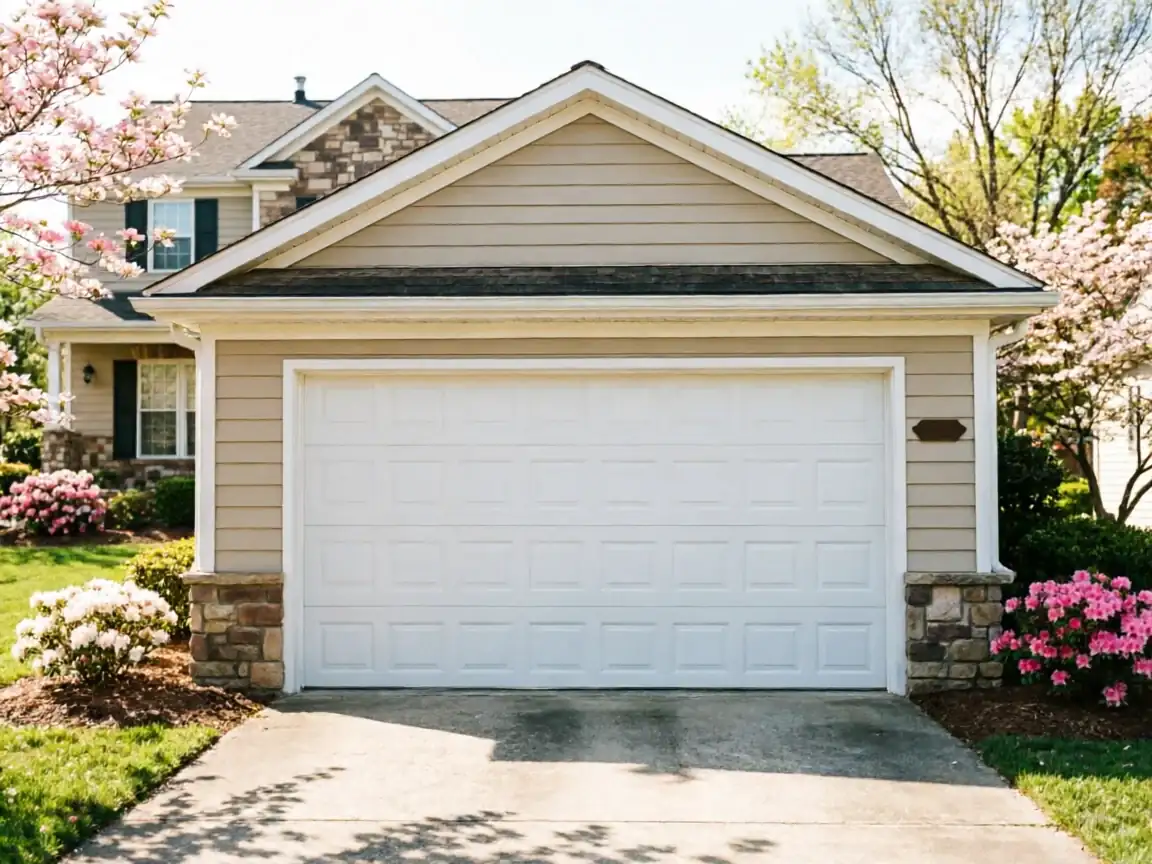
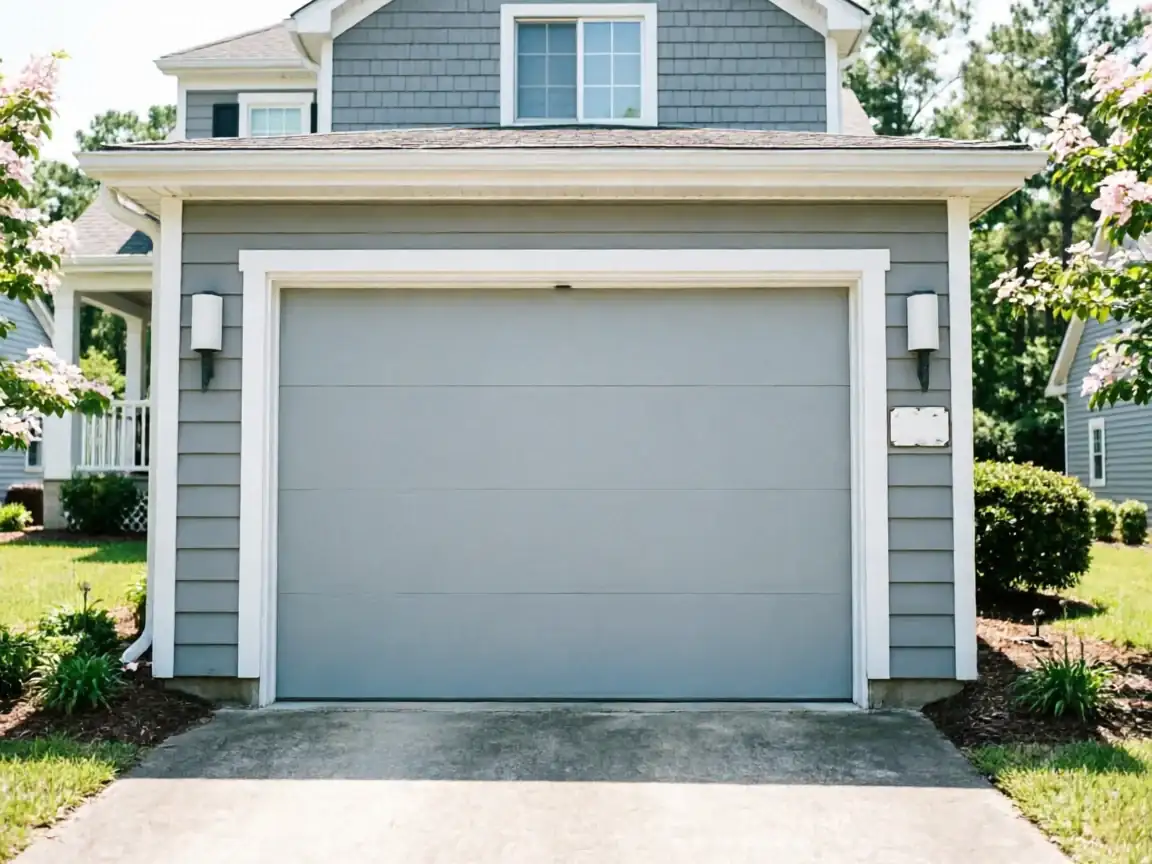
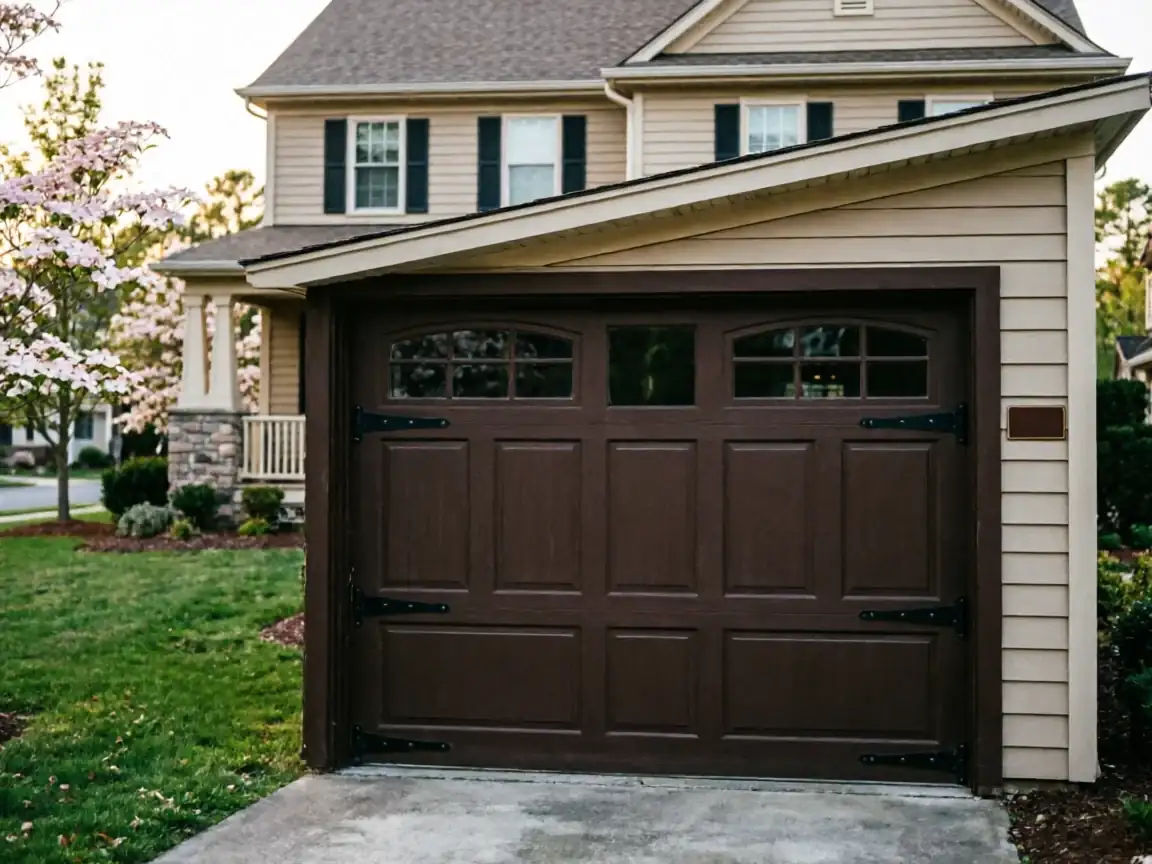
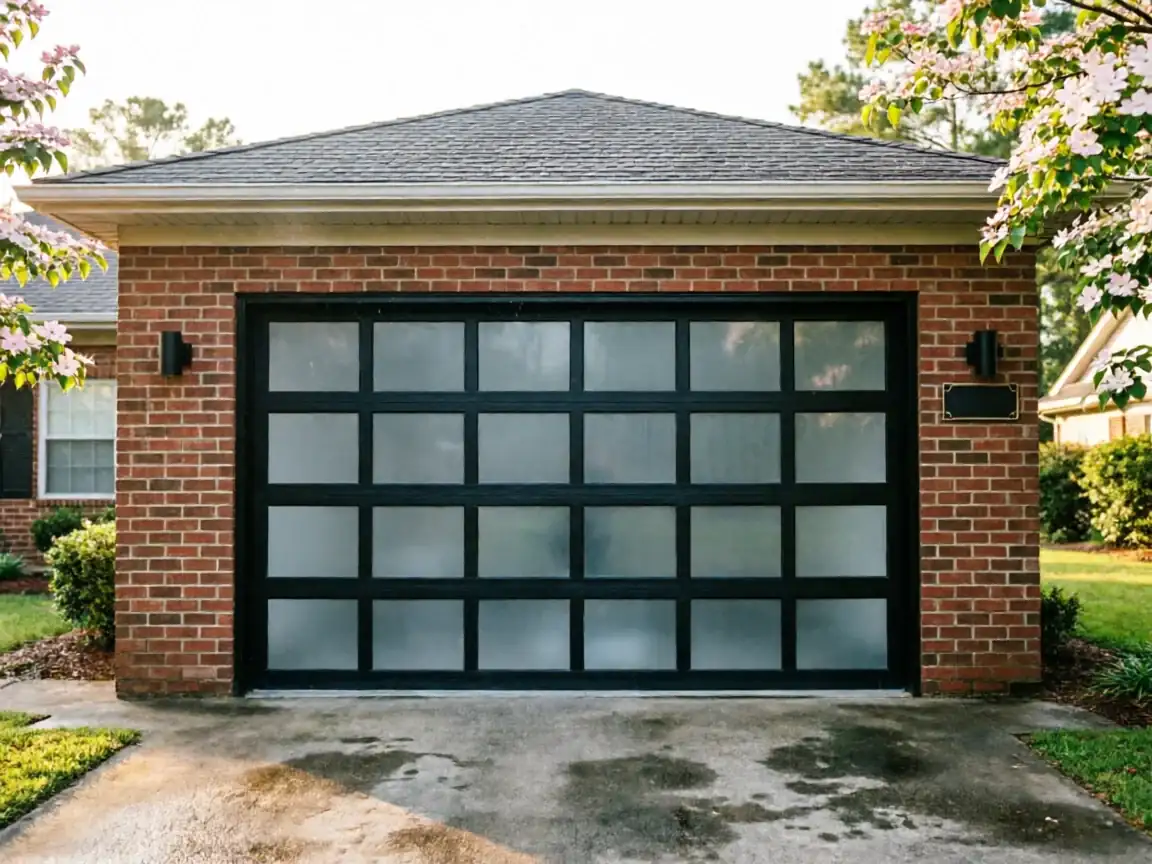
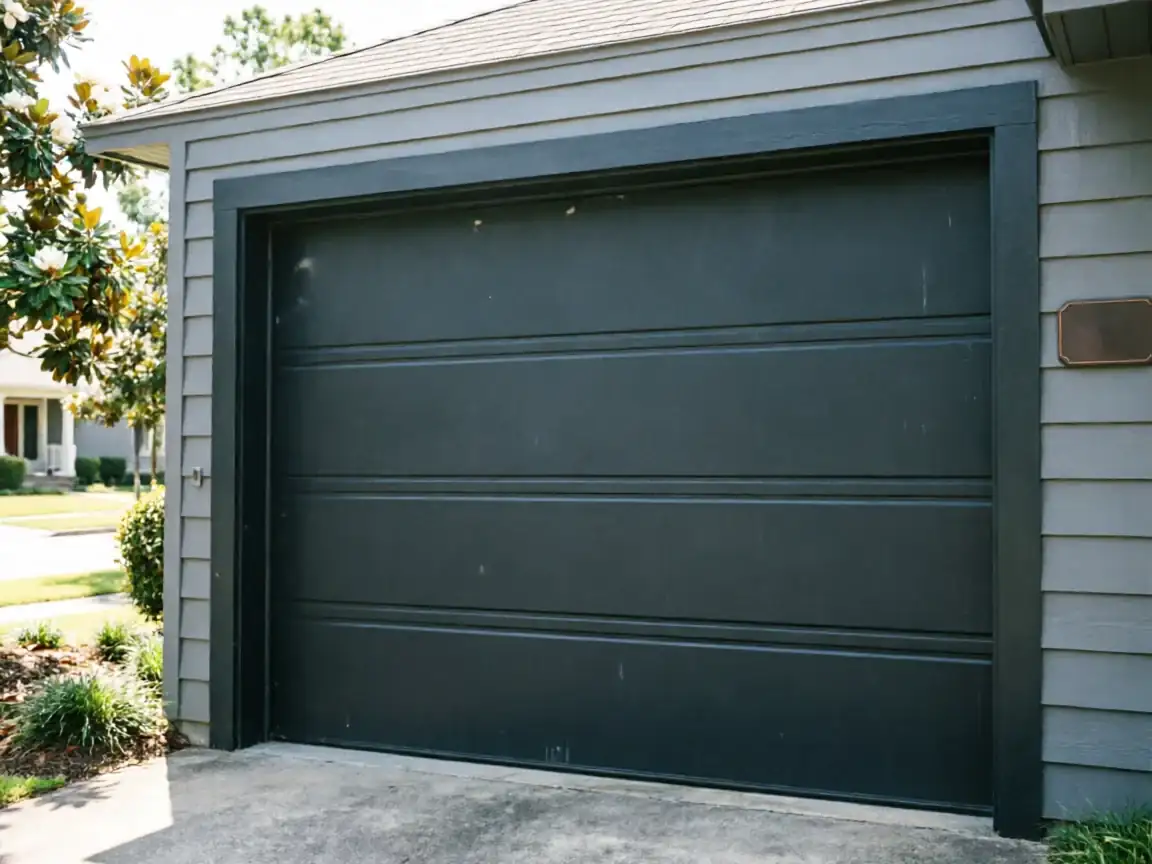
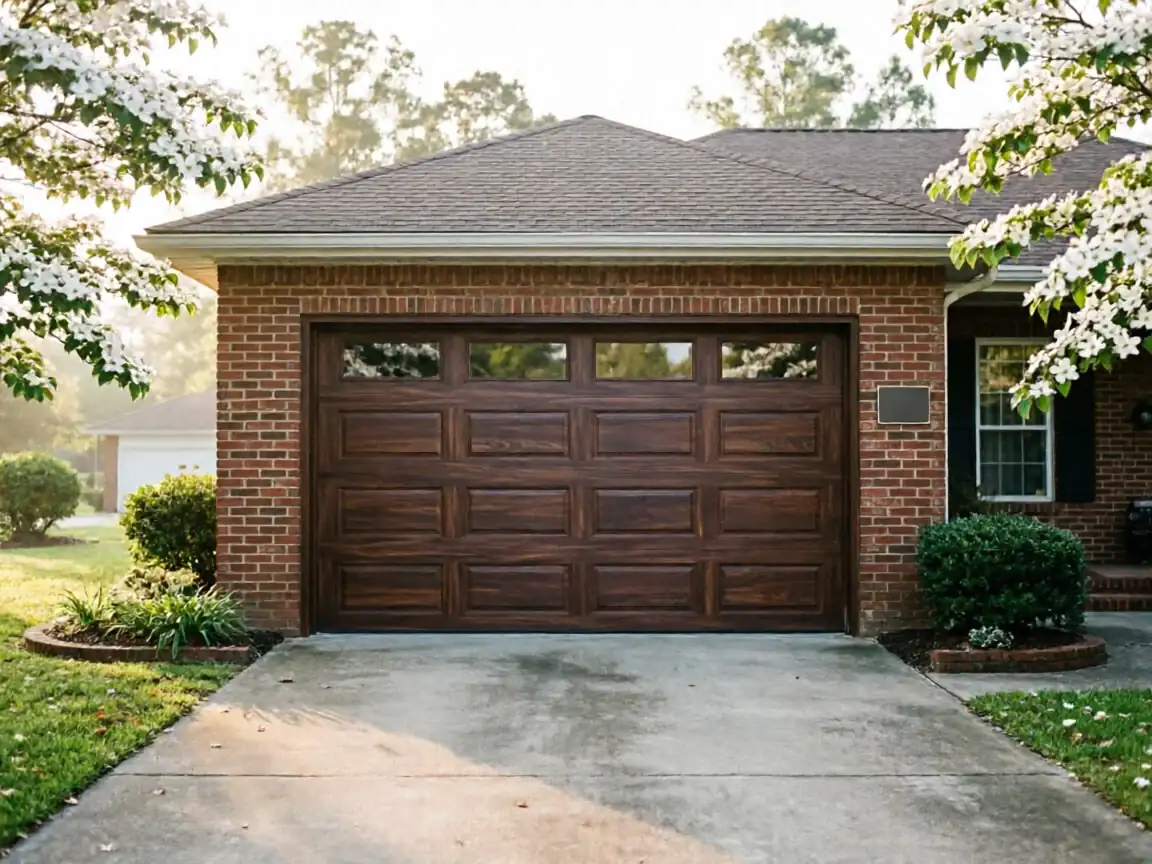
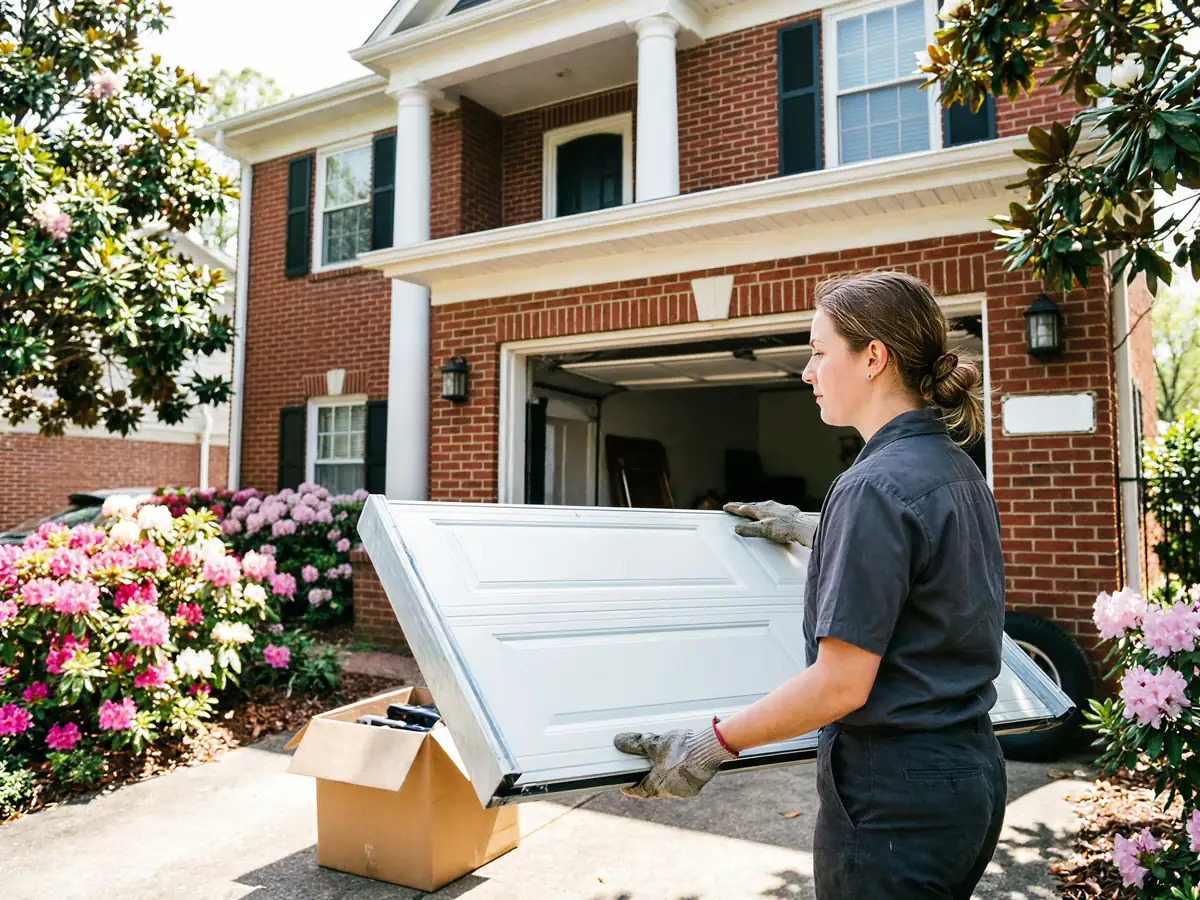
Most garages in South Riding went up around the mid-2000s, during the last big wave of development in this part of the county. That means the original door on most houses here is a builder-grade steel sectional, usually a plain flush or short-raised-panel style, hung on torsion springs sized for a light, uninsulated panel. When we install a replacement, we're working from a newer platform than you'd find on an older street in the wider service area, where houses can date back to the 1940s. We carry insulated steel doors in the widths that match 2000s-era two-car openings, along with heavier carriage-style doors for owners who want a different look than the original. Glass-insert and faux-wood composite options are available too. Given the high household incomes in South Riding, we see more requests for upgraded hardware - heavier gauge steel, better R-value cores, and decorative options - than for a bare like-for-like swap. We don't stock every finish or window pattern on the truck, so a custom color or glass order usually means a short wait rather than a same-visit install.
What the Fix Involves
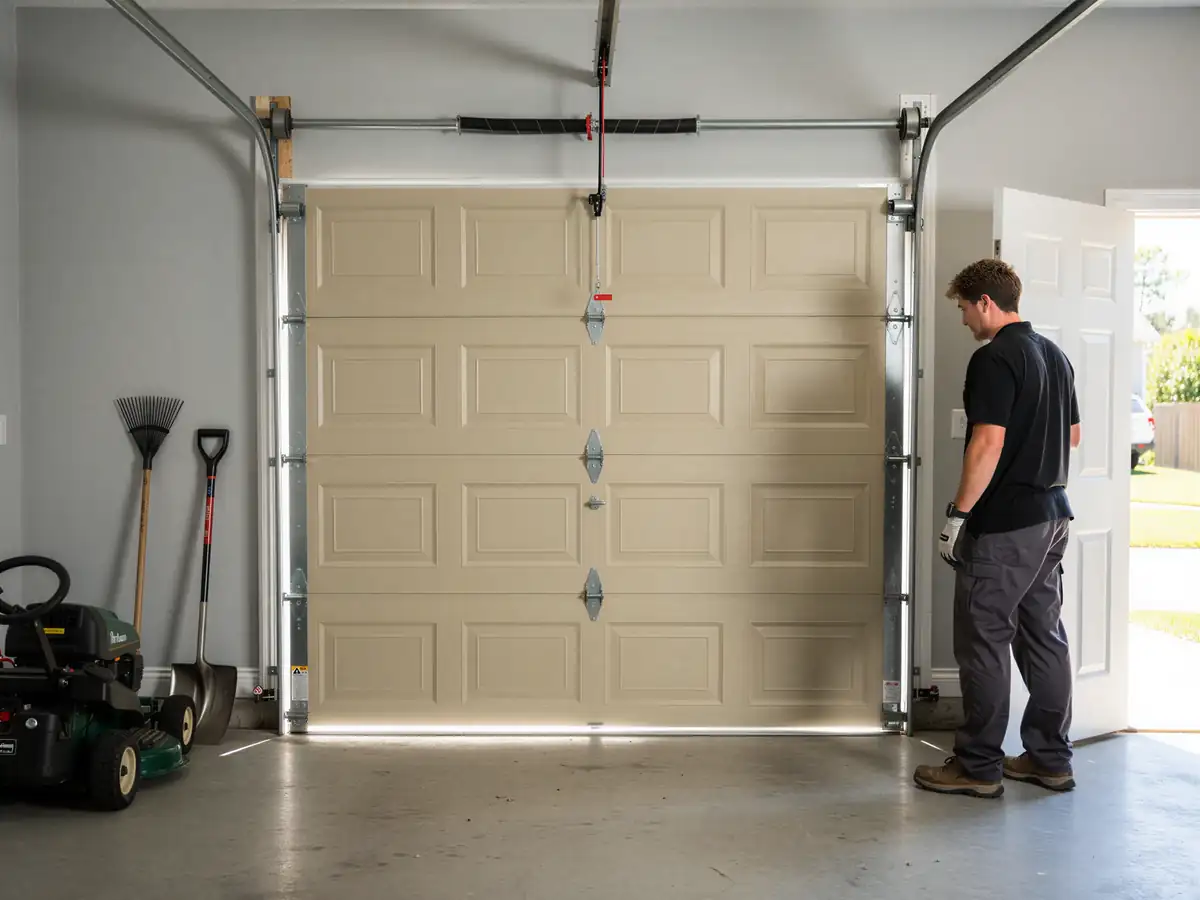
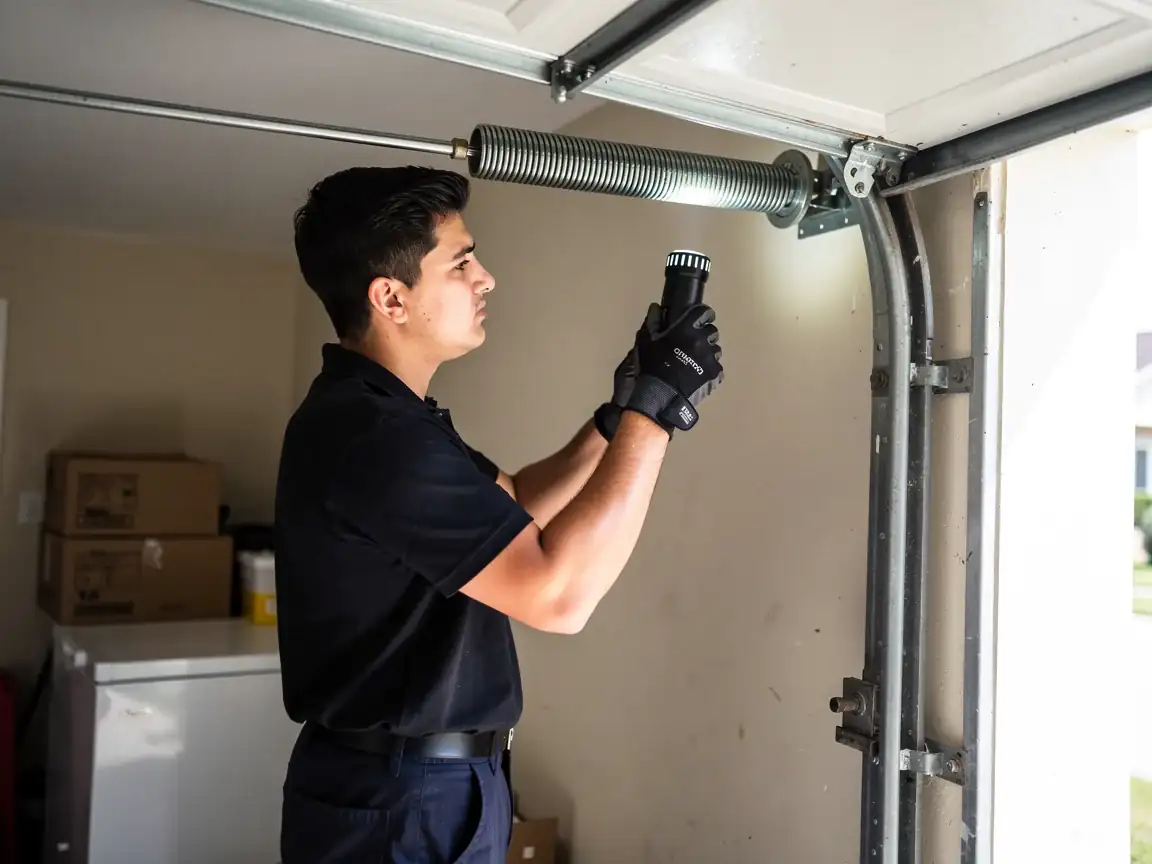
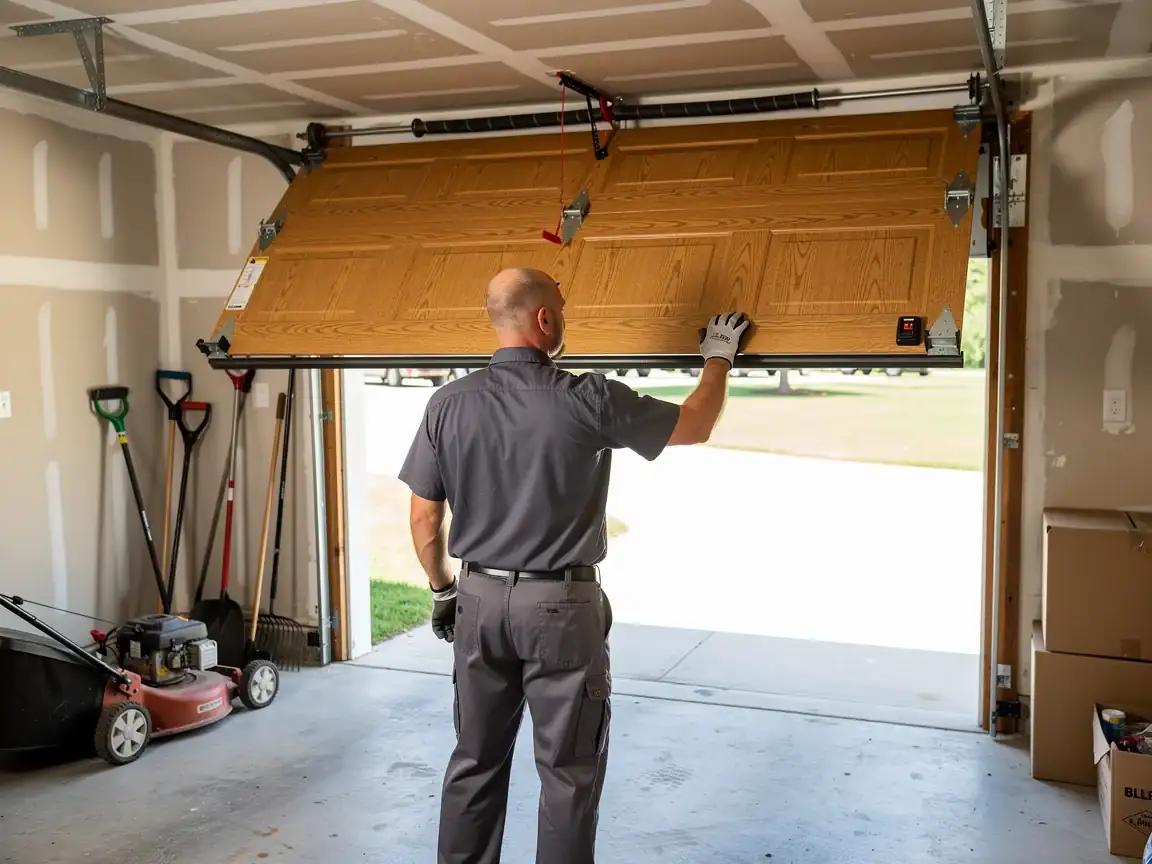
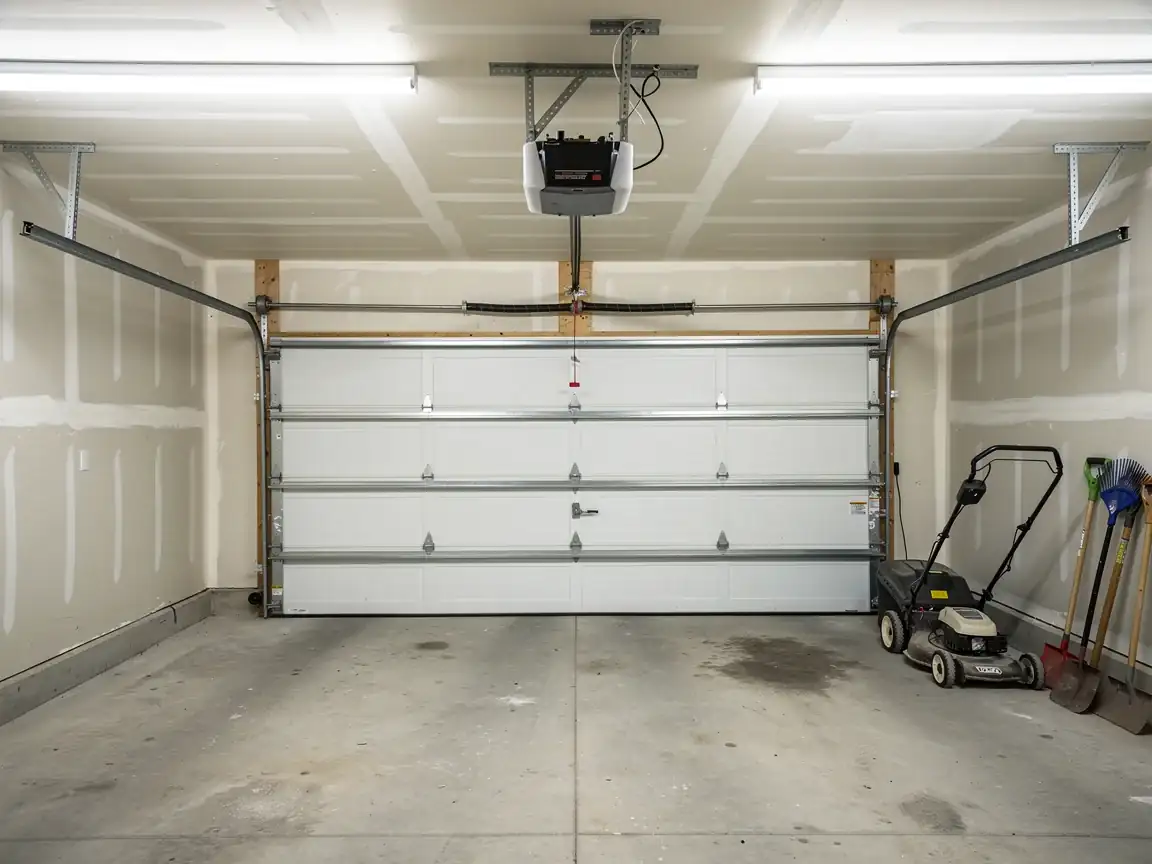
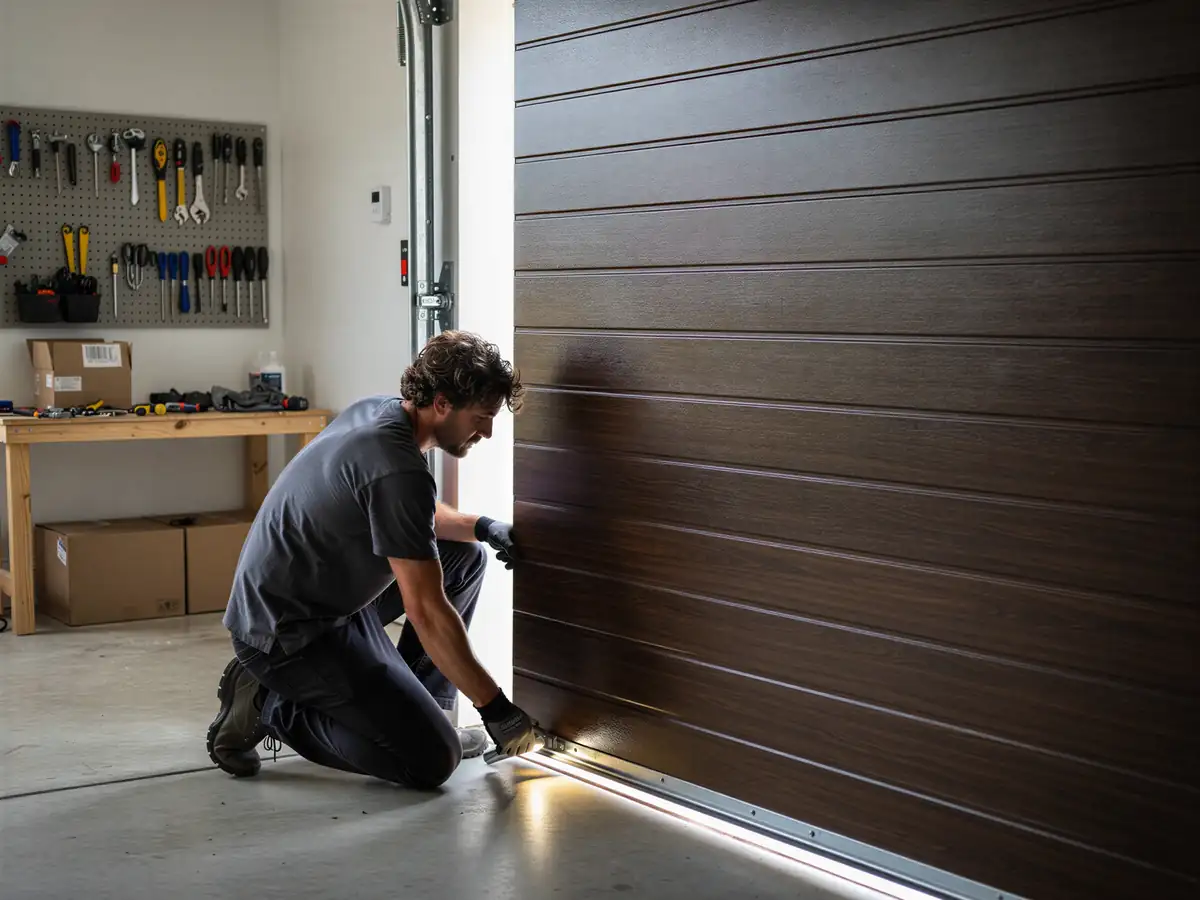
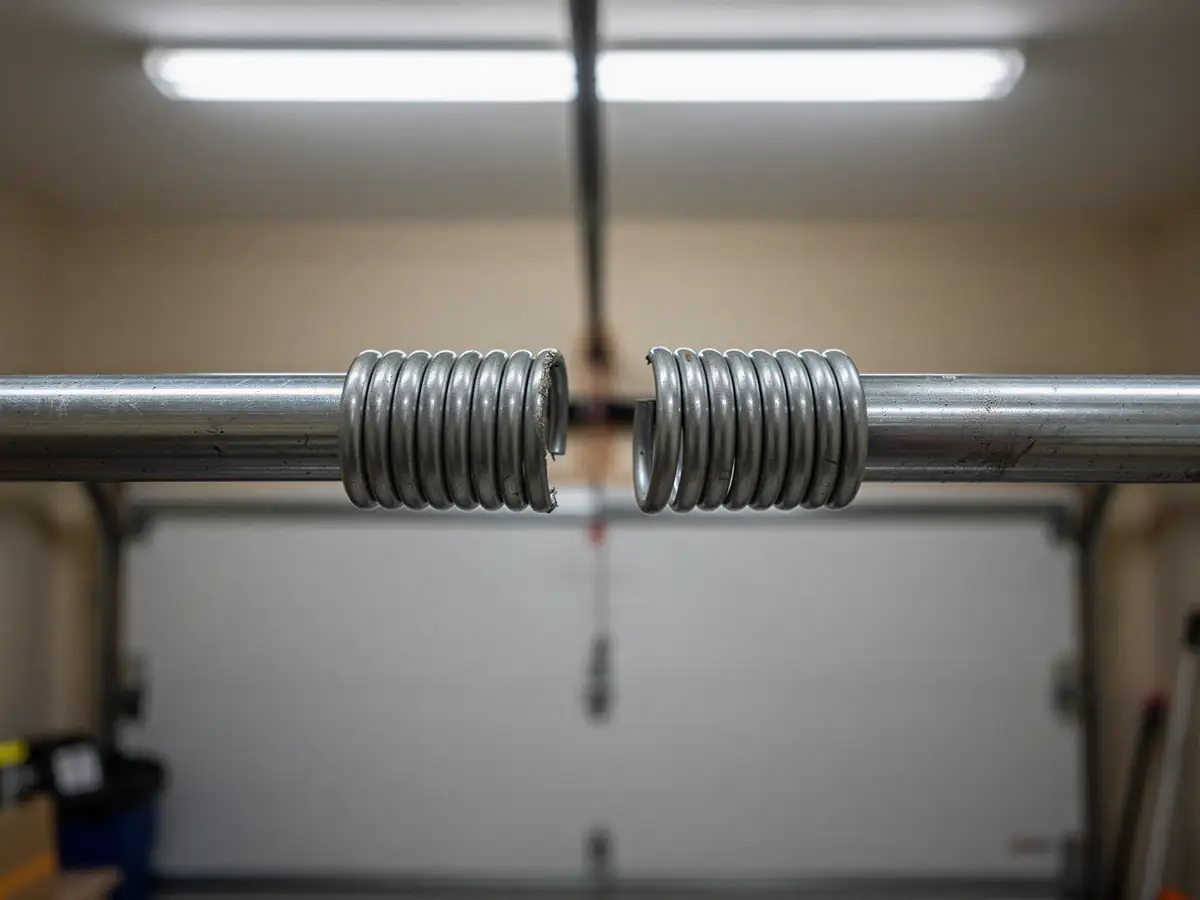
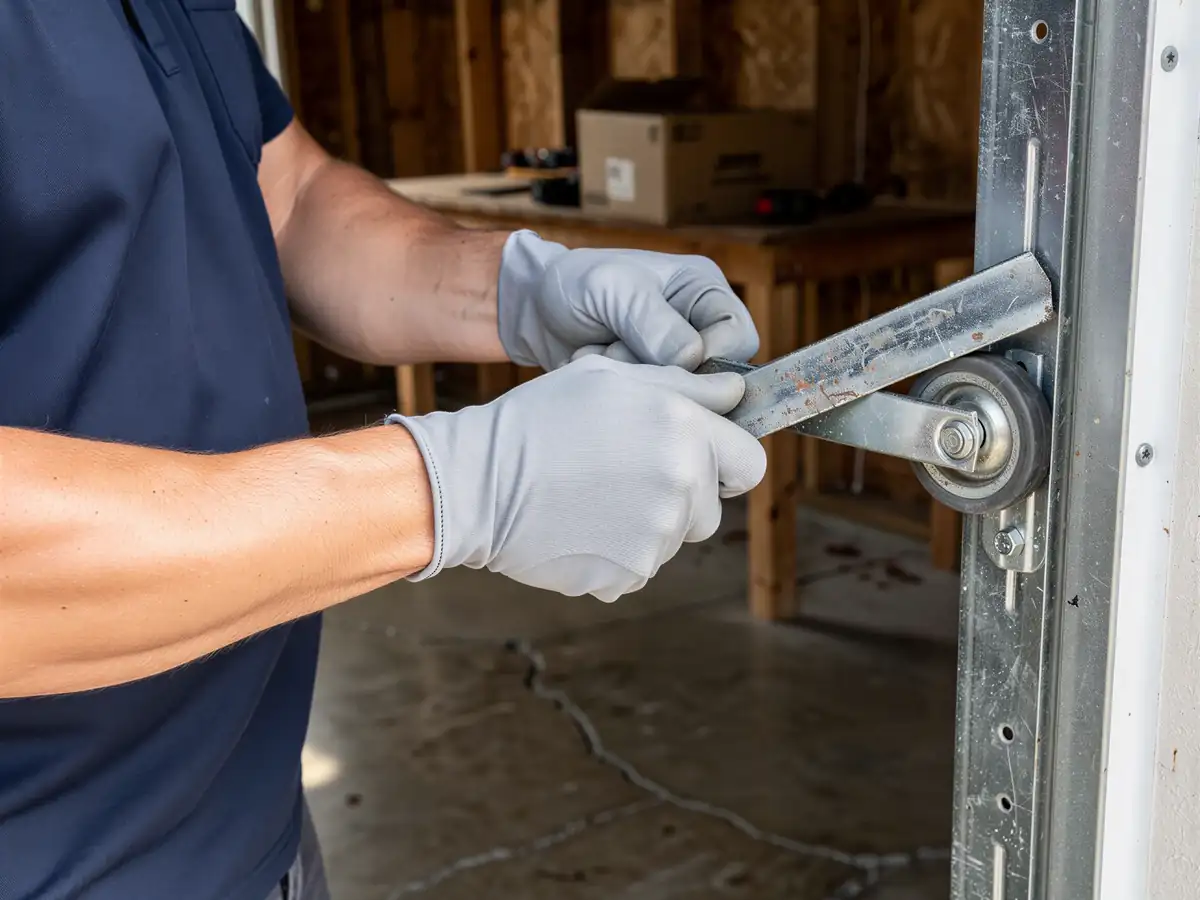
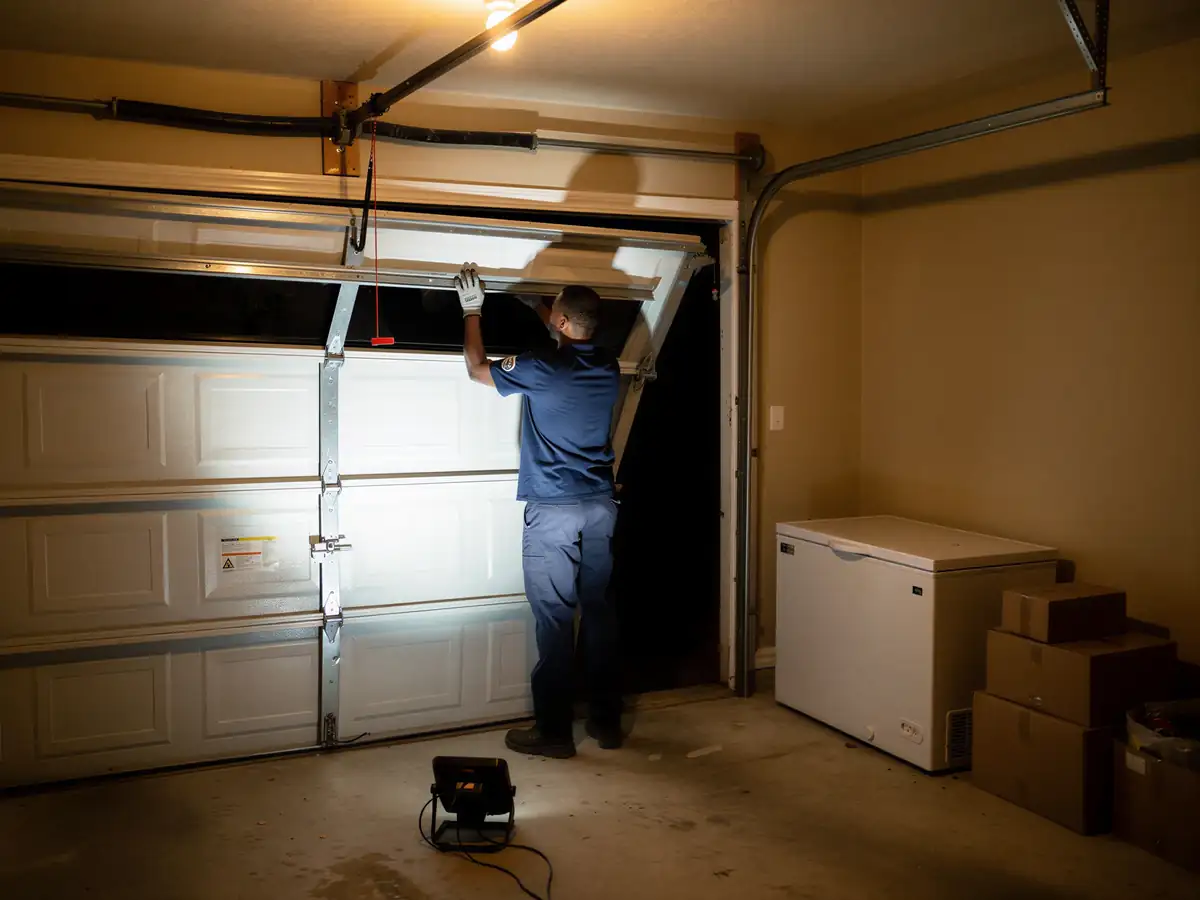
A straight installation on a 2000s-built garage usually starts with pulling the old builder door and checking whether the track and jamb hardware were installed square the first time - not always a given on houses built fast during a development boom. If the opening and framing are sound, the new door goes in against the existing track width, which keeps the job simple. If you're moving from a single-layer steel door to an insulated one, the added weight means the torsion spring has to be recalculated and usually replaced, not reused. We also check the opener: a heavier insulated door can overwork an original builder-installed opener that was sized for the lighter original panel. On a cold-climate installation like this, we pay attention to the bottom seal and weatherstripping fit, since a gap that didn't matter on a thin steel door becomes a real draft once you've swapped to anything with more mass.
The DIY Question
A new garage door is not a weekend project, and an insulated or carriage-style door is heavier than the one it's replacing, which makes it worse to do alone. Spring tension on a torsion system can take a finger or worse if you don't know what you're doing, and resizing springs for a heavier door isn't something to guess at. Here's the honest limitation: if you've already got a custom color, glass pattern, or a non-standard width on order, our lead time depends on the manufacturer, not on us, and we can't promise a date until the order's confirmed. For a standard-width replacement in stock sizes, we can usually move faster. If your opening is out of square or the framing needs rework, that's a longer job than a straight swap, and we'll tell you that before we start, not after.
What Can Go Wrong
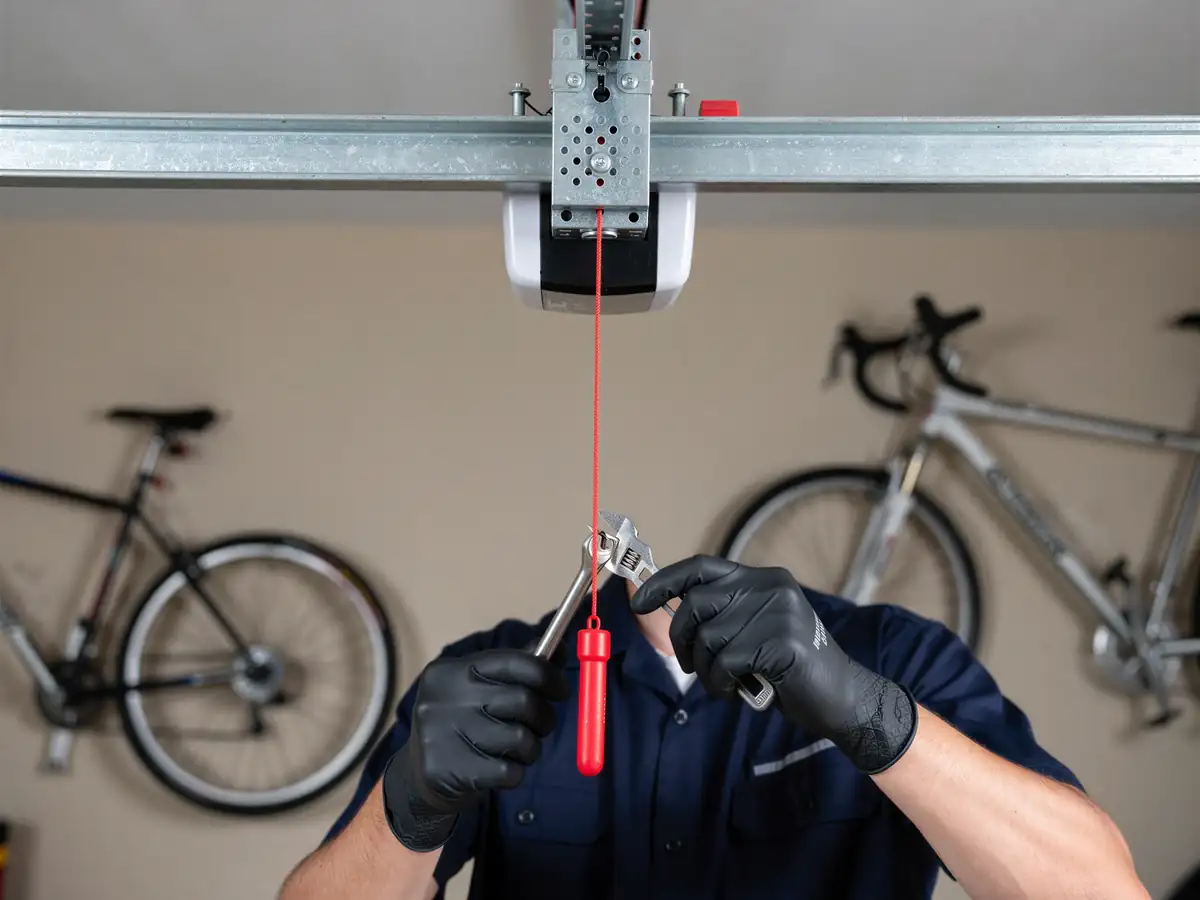
The most common issue we see on South Riding installs isn't the door itself - it's what's behind it. A builder-grade opener from the mid-2000s wasn't built to run for twenty years, and pairing a new heavier door with a tired original opener is asking for early failure. We also see springs that were replaced once already at the wrong weight rating, which shortens the life of whatever gets installed next. Cold-climate performance matters here too: a door without a real thermal break will sweat on the inside face in winter, and that moisture finds its way to the bottom seal and the track hardware over a few seasons. None of this is a reason to delay a new door - it's a reason to replace the opener and springs at the same time as the door rather than bolting new panels onto old hardware and hoping.
How Long You Are Without the Door
For a standard-width door in a stock finish, the opening is down for a matter of hours, not days - the old door comes off, the new one goes up, and the opener gets tested the same visit. Custom colors, glass inserts, or non-standard widths add manufacturer lead time before the crew even arrives, and that part is out of our hands. We travel out from our Centreville shop for South Riding jobs, about six miles each way, which we account for when we schedule rather than tacking on as a surprise. If the opener needs replacing alongside the door, plan for a longer single visit rather than a second trip - it's more efficient to do both while the track and springs are already apart.
How it works
From “it’s stuck” to “it’s fixed”
A quick, honest process - no guesswork and no surprises, start to finish.
Straight answers about garage door repair in Centreville. Still unsure? Ask us directly.
Do South Riding garages need different parts than older houses in the area?
Often, yes. Most South Riding garages date to the mid-2000s, so you're usually dealing with a standard builder-grade opening rather than the older, narrower framing you'd find on a 1960s or 70s house elsewhere in the service area. That generally makes sizing more predictable, though opener age and hardware condition still vary house to house.
Can you match the original builder door style?
We can get close with a standard steel flush or raised-panel door in a similar width, but exact builder-spec matches aren't something we stock. If keeping the exact original look matters, tell us before ordering so we can check what's available.
Will a new insulated door need a new opener too?
Possibly. An insulated door weighs more than the thin steel panel it's replacing, and an original builder-installed opener may be undersized for that extra weight. We check the opener's rating against the new door before installing and tell you if it needs upgrading.
How far out do you travel for South Riding jobs?
We come from our Centreville location, about six miles away. There's no local branch here, so we schedule the drive into the appointment rather than offering a separate response time for South Riding specifically.