Centreville's houses span 1940 to 2015, most built in the 1980s and 90s, and face severe cold winters that strain old springs, openers, and tracks each year.
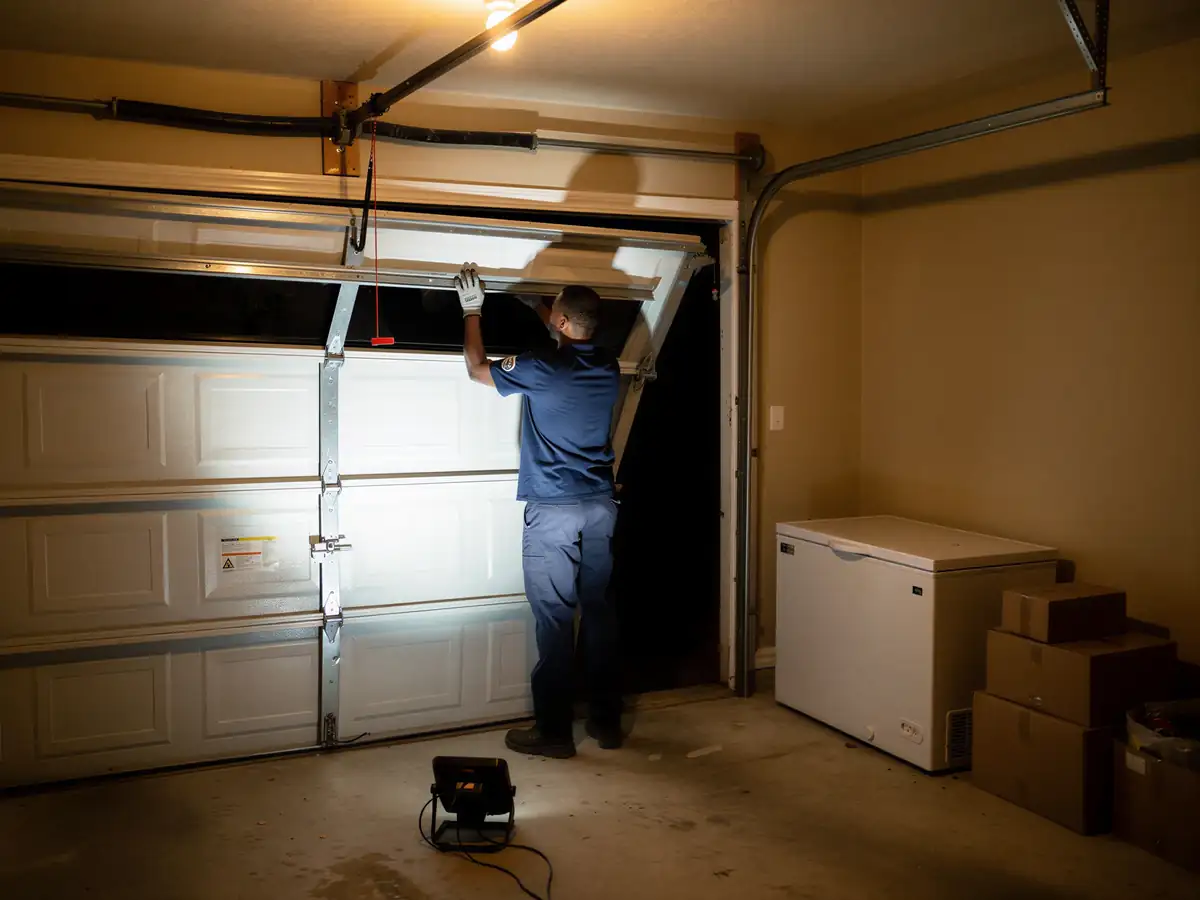
Centreville sits in a severe cold climate band, and that matters more to a garage door than most homeowners realize. Steel contracts as temperatures drop, and a torsion spring that's been winding and unwinding for twenty winters loses tension faster in the cold months than in July. Nylon rollers stiffen. Lubricant that worked fine in September turns gummy by January and makes the opener strain against resistance it shouldn't have to fight. None of this is dramatic on its own, but it adds up over a season, and it's why late-winter calls here skew toward broken springs and openers that are working twice as hard as they used to. The swing between a 70-degree fall afternoon and a hard freeze overnight is the real stressor, not the cold itself in isolation. A door that cycles through that swing twice a day, every day, for months is doing more work than the same door would in a milder region, and the hardware shows it first.
The Situation
Housing in this area was built mostly between 1940 and 2015, with the median year sitting around 1981, and the bulk of the stock dating to the 1980s and 90s across the 49 named areas that make up this part of the region. That means most garage doors here are either original builder-grade units from that era or a first replacement installed sometime in the 2000s. Either way, a lot of hardware out there is past the point where it was designed to perform well. Scattered through the older pockets - closer in toward Bull Run, Yorkshire, and Manassas Park - you'll still find houses from the 1940s through 60s with doors and openers that predate the insulation standards builders work to now. Those are a different repair conversation than a 1990s door with a worn spring. One honest limitation: we don't try to retrofit insulation into a door shell that was never built to hold it. Past a certain point, replacement is the straighter answer than patching.
What Local Conditions Do
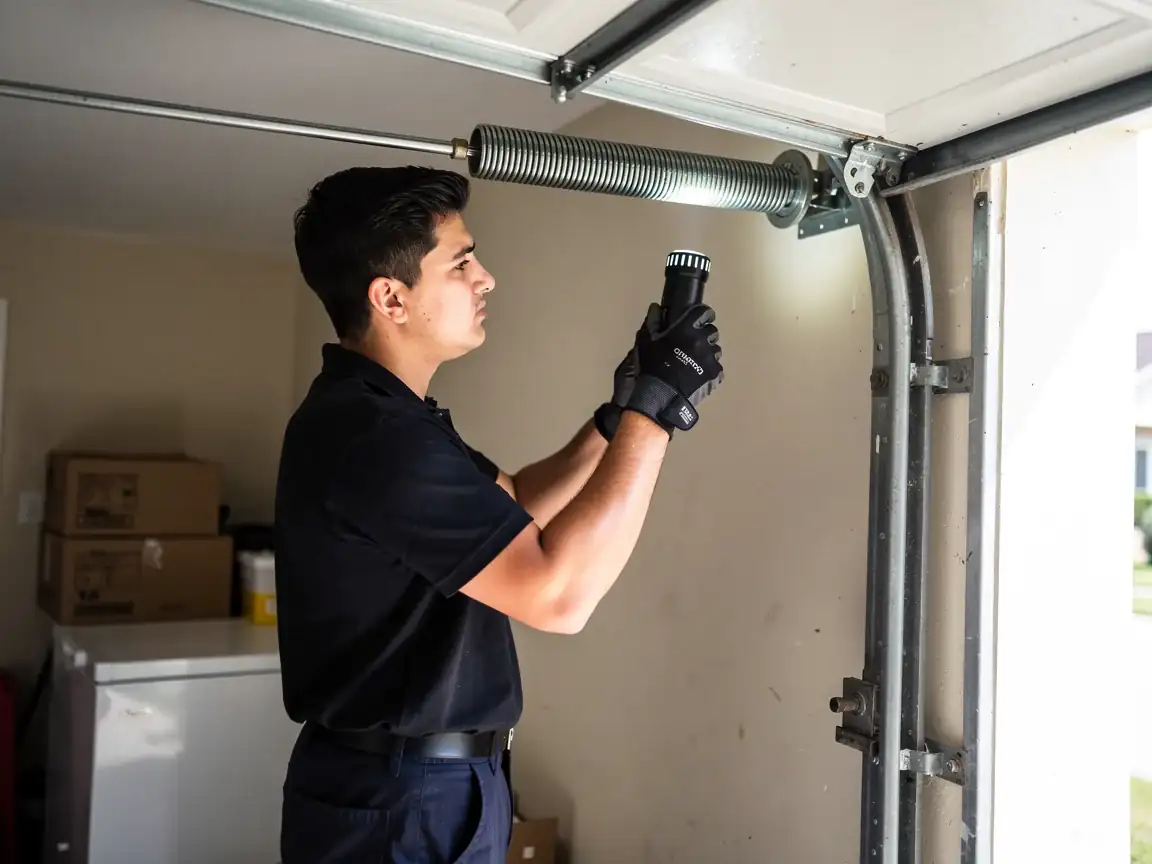
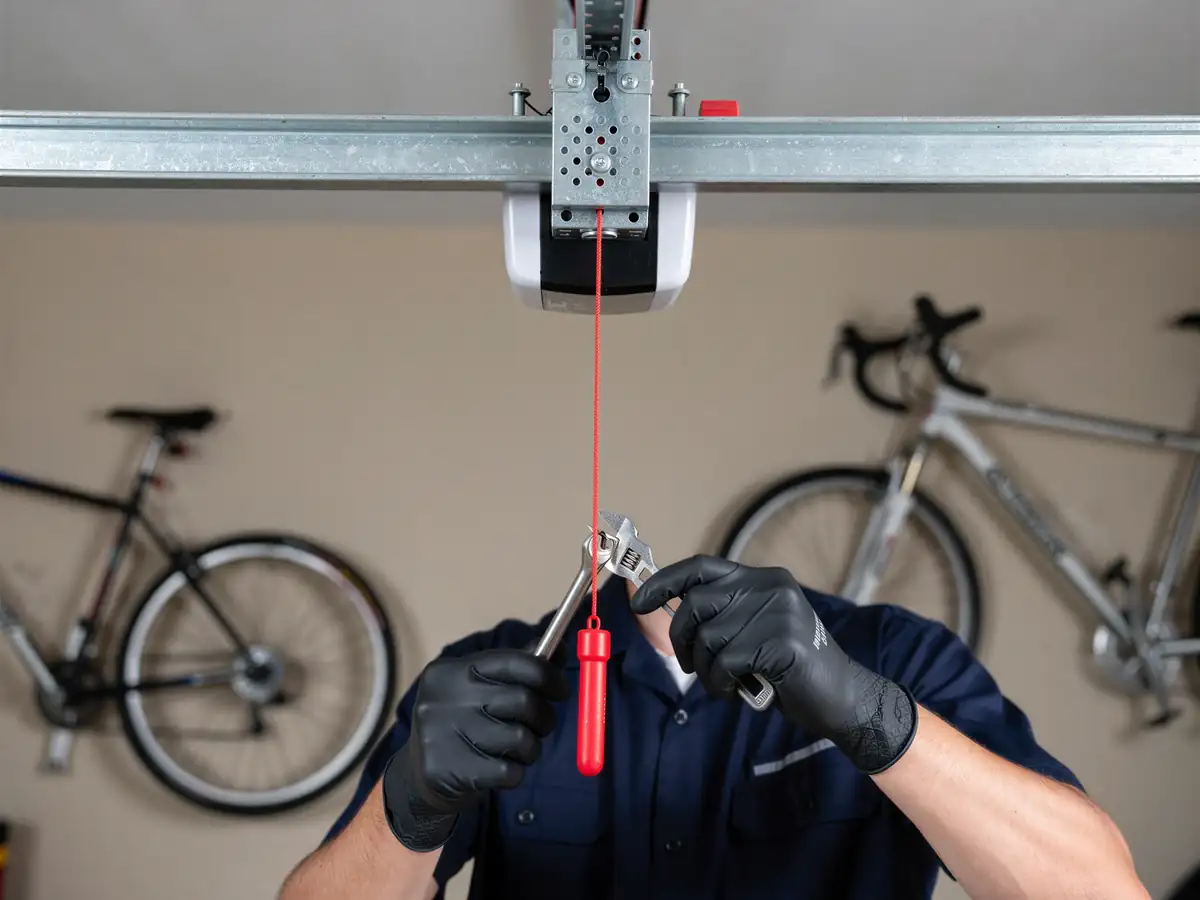
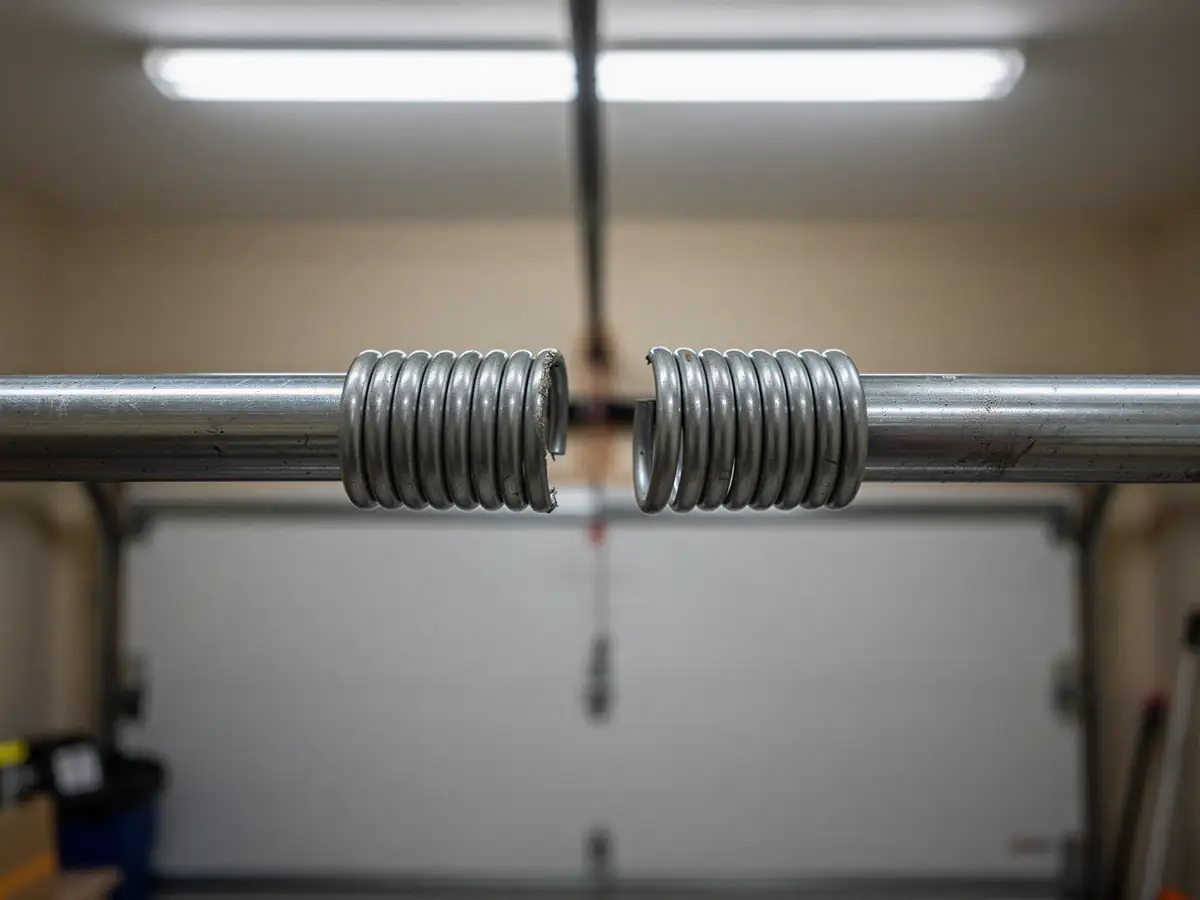
Cold doesn't just slow a door down, it finds the weak point and breaks it there. A torsion spring under tension contracts along with the steel coil, and a spring that was already near the end of its cycle life is far more likely to snap on a 20-degree morning than a mild one. Openers draw more current to push a door that's stiffer than usual, and that shortens the life of the drive gear over several winters. Doors on houses built before insulation rules often have thin steel skins with no foam core and minimal weatherstripping at the bottom seal, so cold air moves straight through the garage and into any room that shares a wall with it. On newer doors from the 80s and 90s stock that makes up most of this area, the common failure is simpler: weatherstripping that's hardened and cracked, letting drafts in around a door that's otherwise structurally fine. Different ages, different problems, same season.
What to Look At First
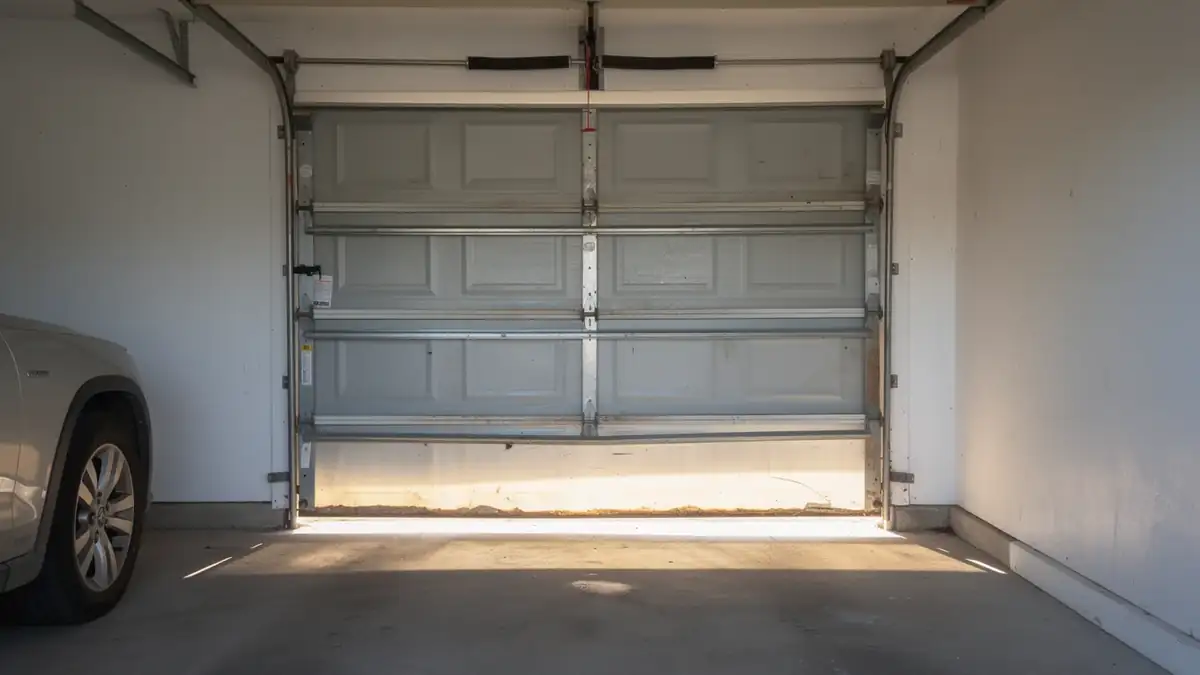
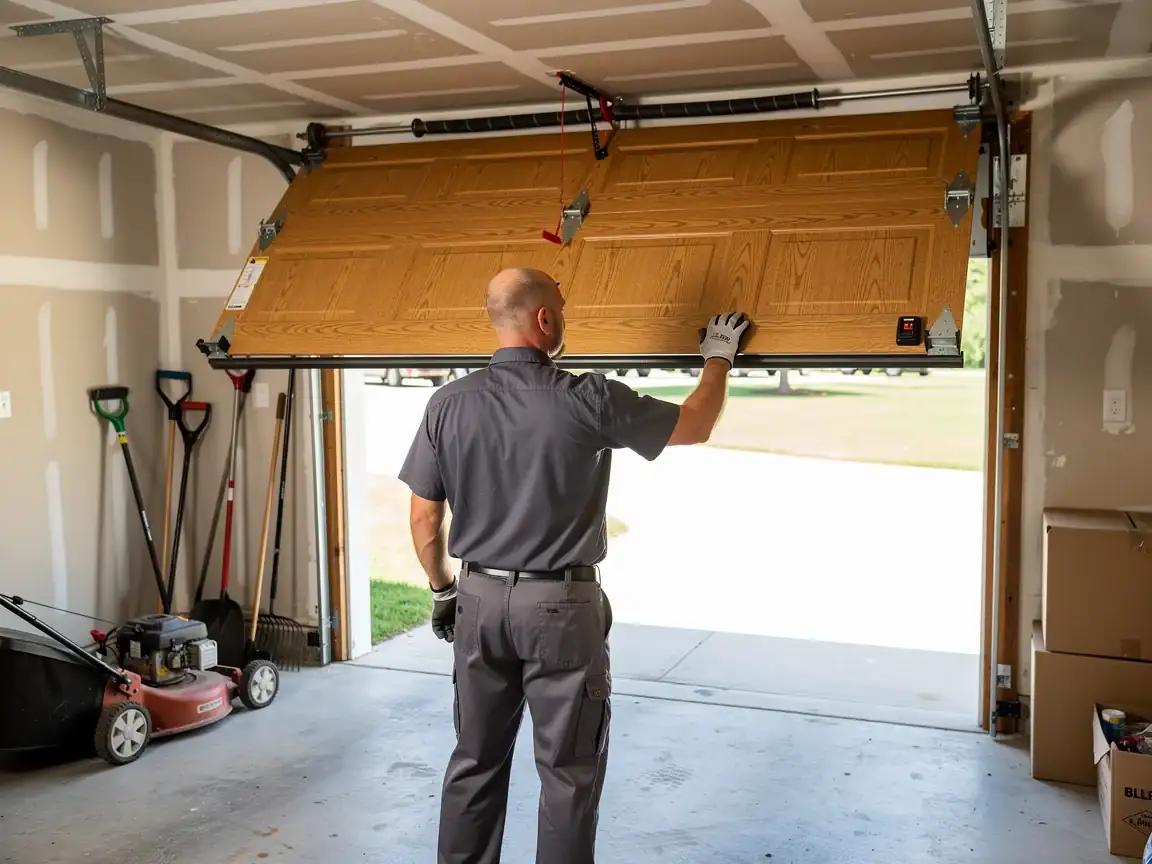
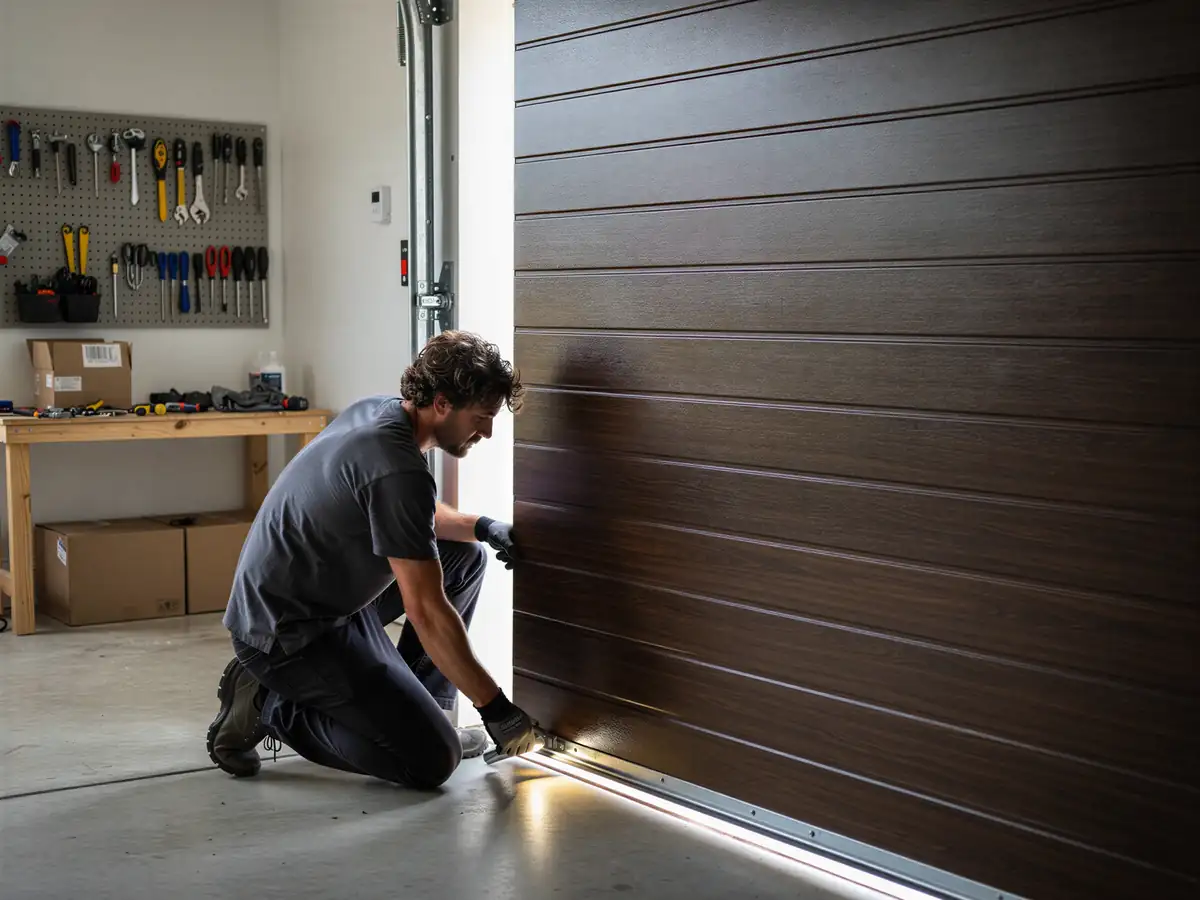
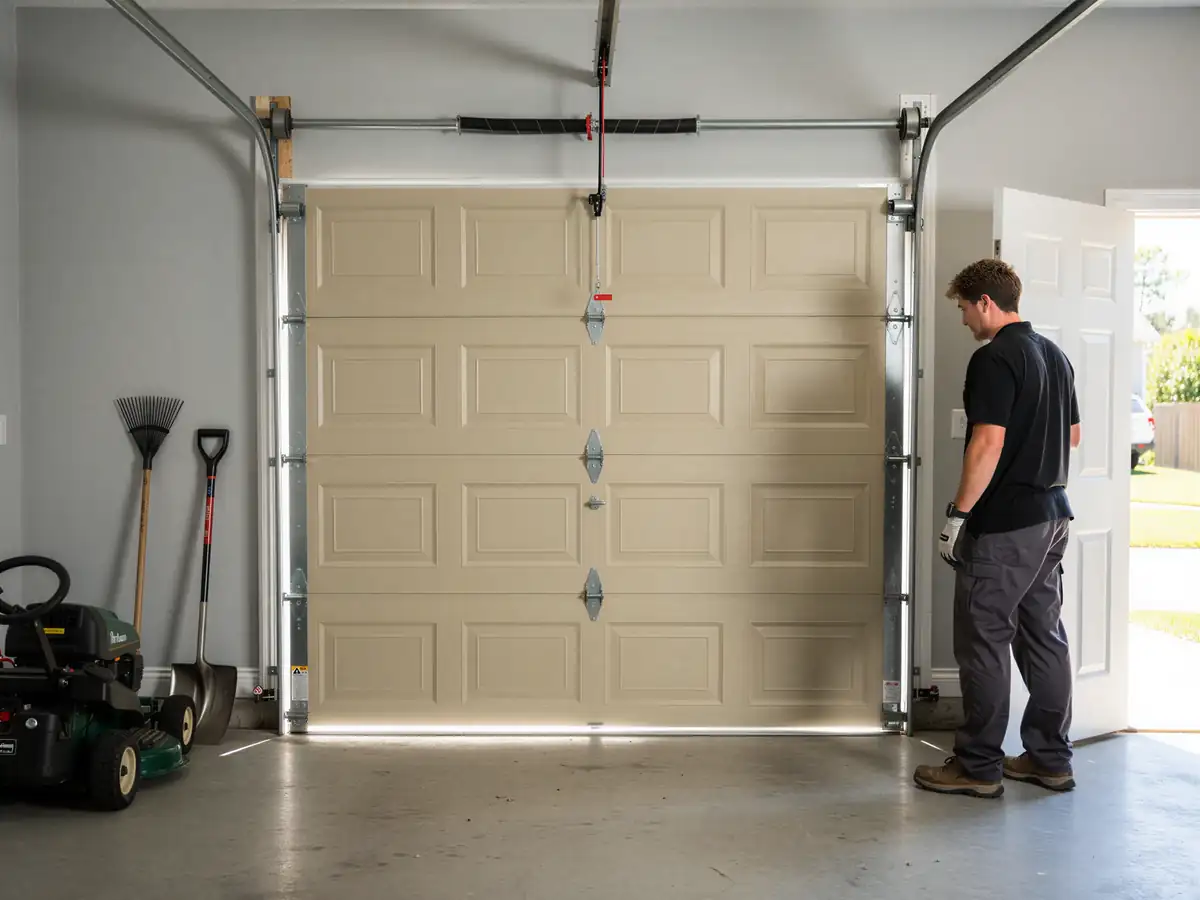
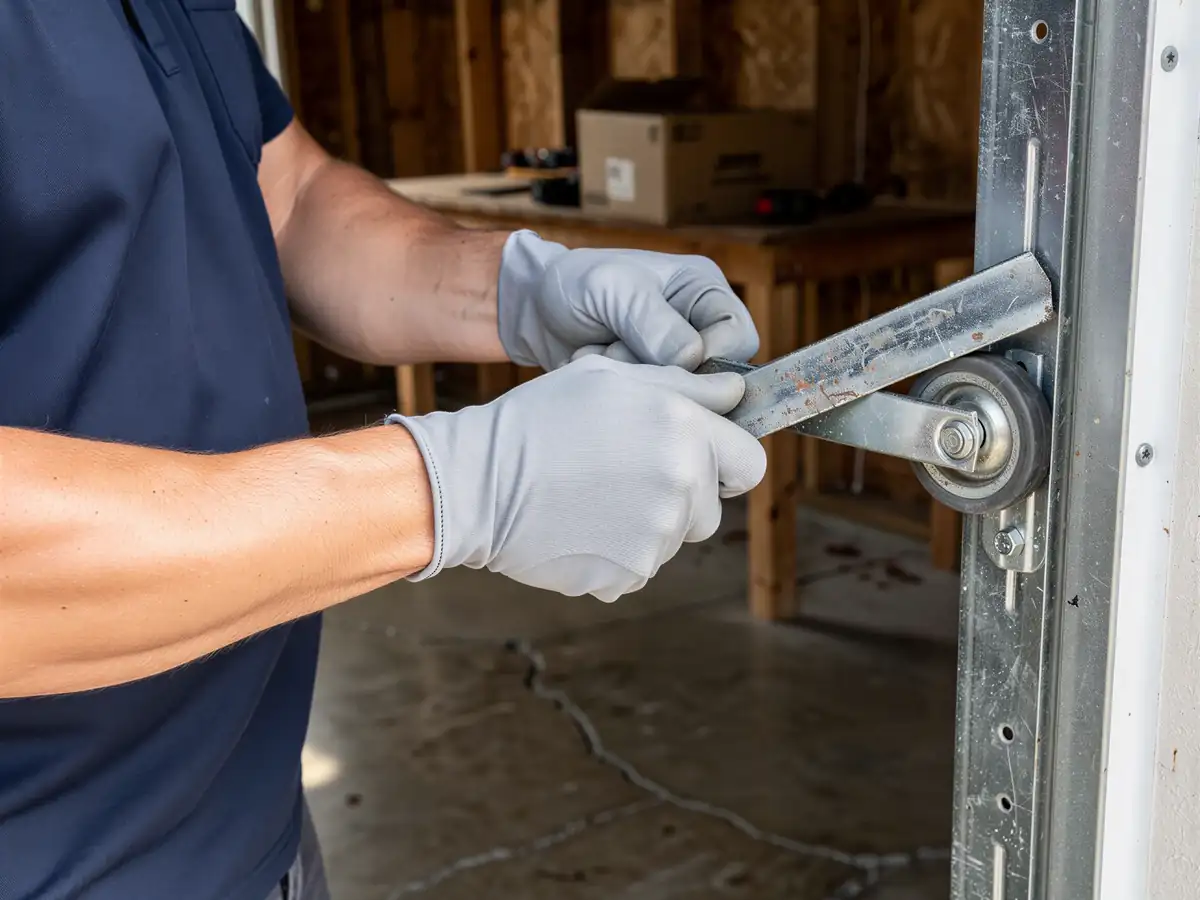
Start with the bottom seal. If it's cracked, flattened, or pulling away from the track, cold air gets in regardless of how good the rest of the door is, and that's a cheap first fix. Next, look at the spring - if the door feels heavier than it used to when you lift it manually with the opener disconnected, the spring is losing tension, and that's worth a call before it breaks outright in a hard freeze. Check the rollers for flat spots or grinding, especially on doors original to houses from the 1980s and 90s stock common here. On older homes built before insulation rules were standard, ask whether the door itself is worth insulating or whether the shell is thin enough that replacement makes more sense than adding foam to an old steel skin. We can walk through Centreville Garage Door Pros and give a straight answer on which side of that line your door falls.
Straight answers about garage door repair in Centreville. Still unsure? Ask us directly.
Why did my spring break in winter when it was fine all fall?
Cold makes steel contract, and a torsion spring under tension is already working hard. A spring near the end of its cycle life that would have lasted another few months in mild weather often snaps on the first hard freeze because the metal is less forgiving when it's cold. It's less about the freeze causing damage and more about it exposing wear that was already there.
Is my door too old to be worth insulating?
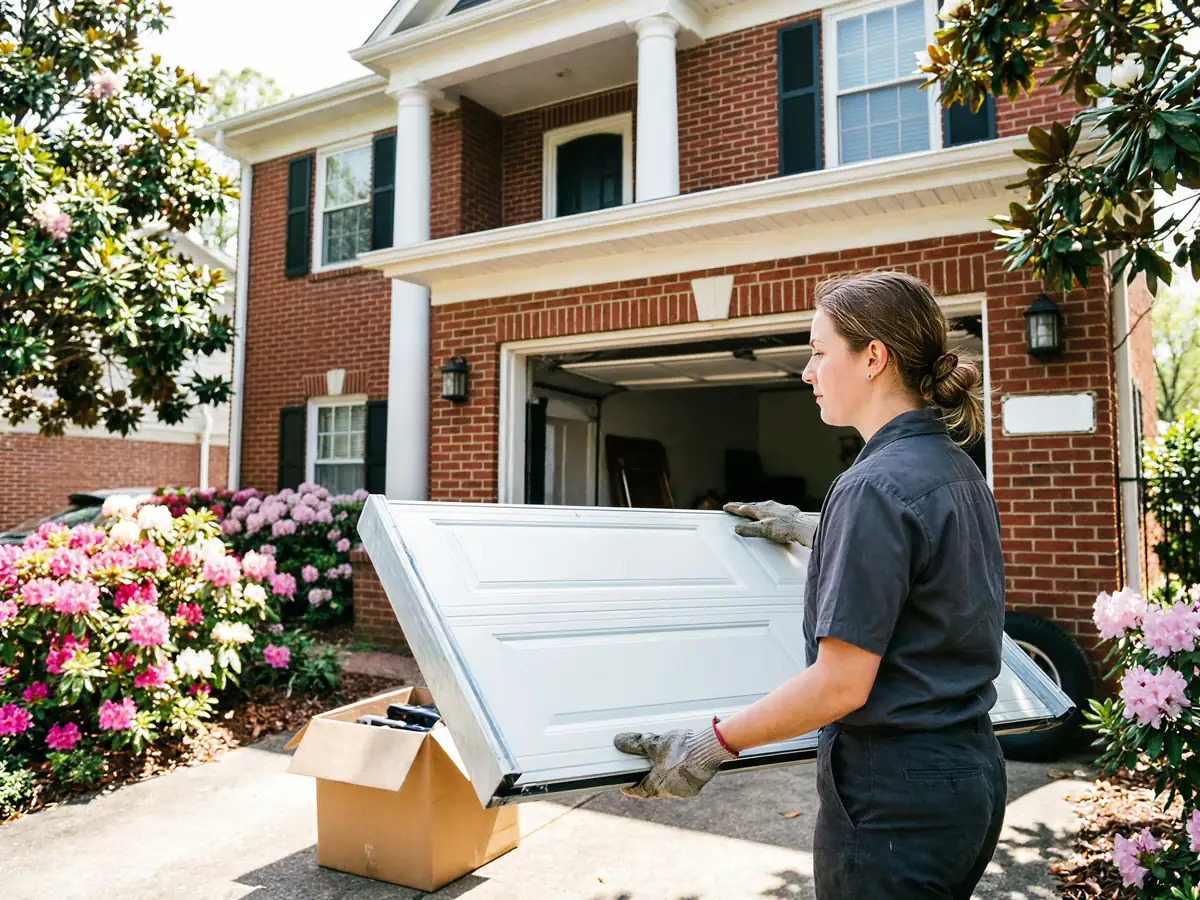
If your house was built before insulation rules were standard, the door itself may have a thin steel skin with no foam core, and adding insulation to that shell doesn't do much. On doors from the 1980s and 90s stock common in this area, insulation retrofits make more sense. We can look at the door and tell you honestly which side of that line it's on.
How often should I check my garage door in cold weather?
A quick look each fall before the hard freezes hit catches most problems early - check the weatherstripping, listen for grinding on the rollers, and see if the door feels heavier to lift by hand with the opener off. That's usually enough to catch a failing spring before it breaks outright.