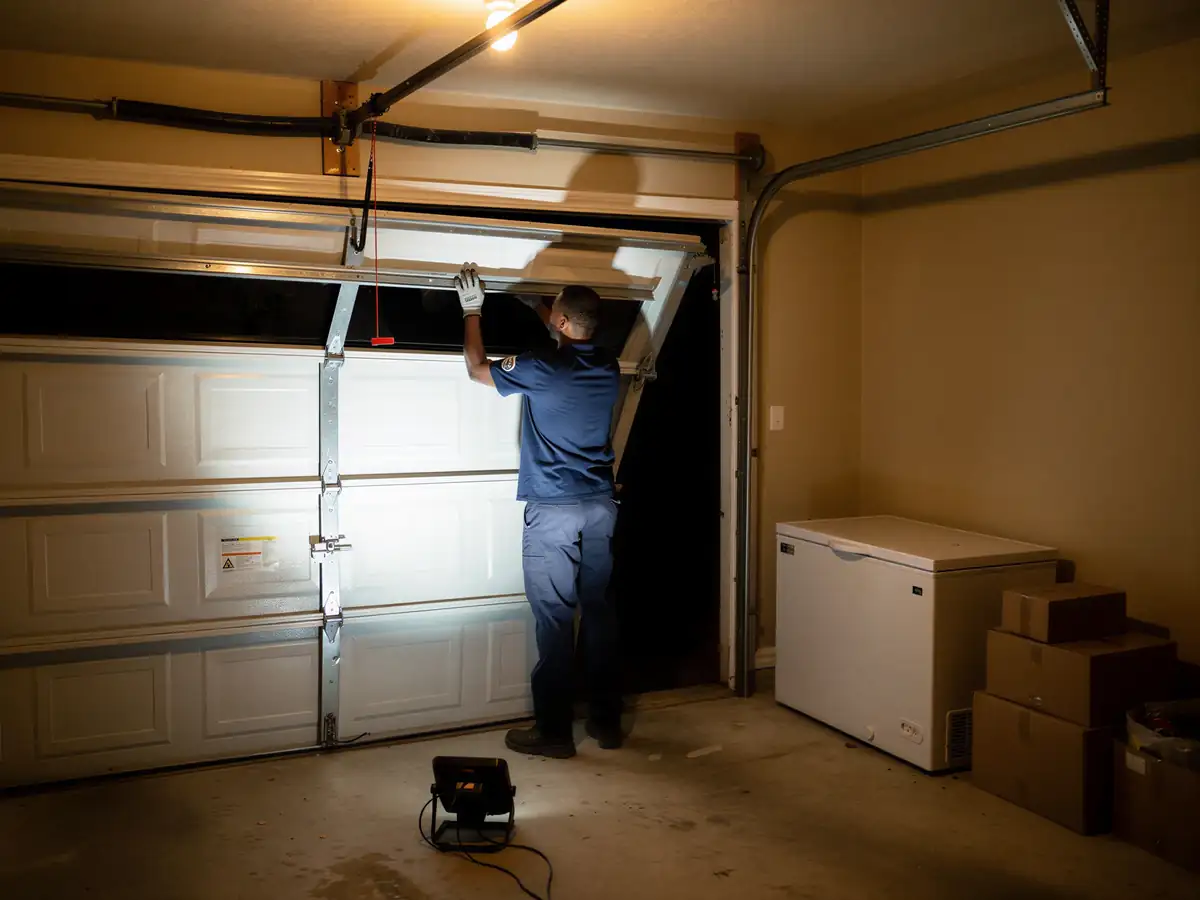
What an Older Garage Door in Centreville Is Really Worth Fixing
Most Centreville houses date to the 1980s and 90s, with cold-climate wear on old springs and tracks. Here's how to tell if your door's worth repairing.
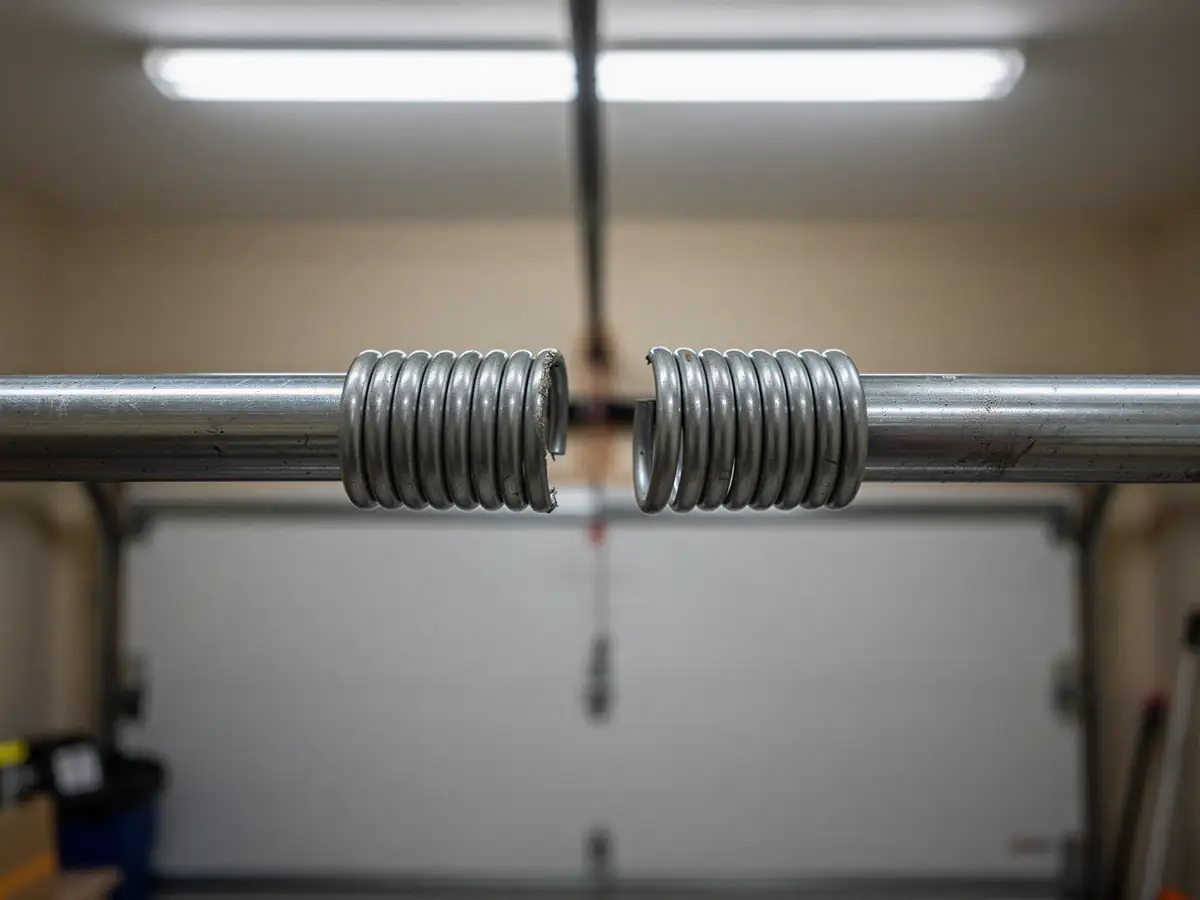
Centreville sits in a climate zone that's classified cold and severe, which means real winter cold, not just a few frosty mornings. Steel contracts when the temperature drops, and a torsion spring that's been doing fine for years can suddenly feel weak or snap outright on the first hard freeze of the season. Nylon rollers get brittle. Lubricant that was fine in August turns thick and sluggish in January, and an opener that struggles to lift a door in cold weather is often telling you the spring is already half-gone, not that the motor is failing. We see the call volume shift with the season here - not because doors are different, but because cold exposes weakness that mild weather hides. If your door has been getting slower or noisier as the temperature dropped, that's the climate doing what it does to aging hardware, not a coincidence.
The Situation
A lot of the housing in this area went up between 1940 and 2015, with the midpoint landing around 1981, and the bulk of it in the 1980s and 90s build wave that defined dozens of neighborhoods on this side of the county. That means a huge share of garage doors still in service were installed when those houses were built or shortly after - doors now thirty to forty years old, on original tracks and hardware that was never meant to last this long. These aren't exotic or rare setups. They're standard builder-grade doors from that era, often single-layer steel with minimal insulation, hung on torsion or extension springs sized for the door, not for the decades of cold cycling since. The question we get asked most isn't
What Local Conditions Do
Put the 1980s-and-90s housing stock together with a cold, severe climate and you get a predictable pattern: springs rated for a certain number of cycles get used harder every winter, because cold makes the door heavier to lift and the opener works against stiffer steel and thicker lubricant. A door built in 1985 has now gone through roughly forty winters of that cycle. Panels on older doors, especially the non-insulated steel common in that build era, can warp slightly with repeated temperature swings, which throws off alignment at the track and accelerates roller wear. None of this is dramatic on its own, but it compounds. A door that's been serviced regularly can keep running well past what you'd expect; one that's been ignored tends to fail in a cluster - spring, then cable, then opener strain - right around the point when the original hardware's design life runs out.
What to Look At First
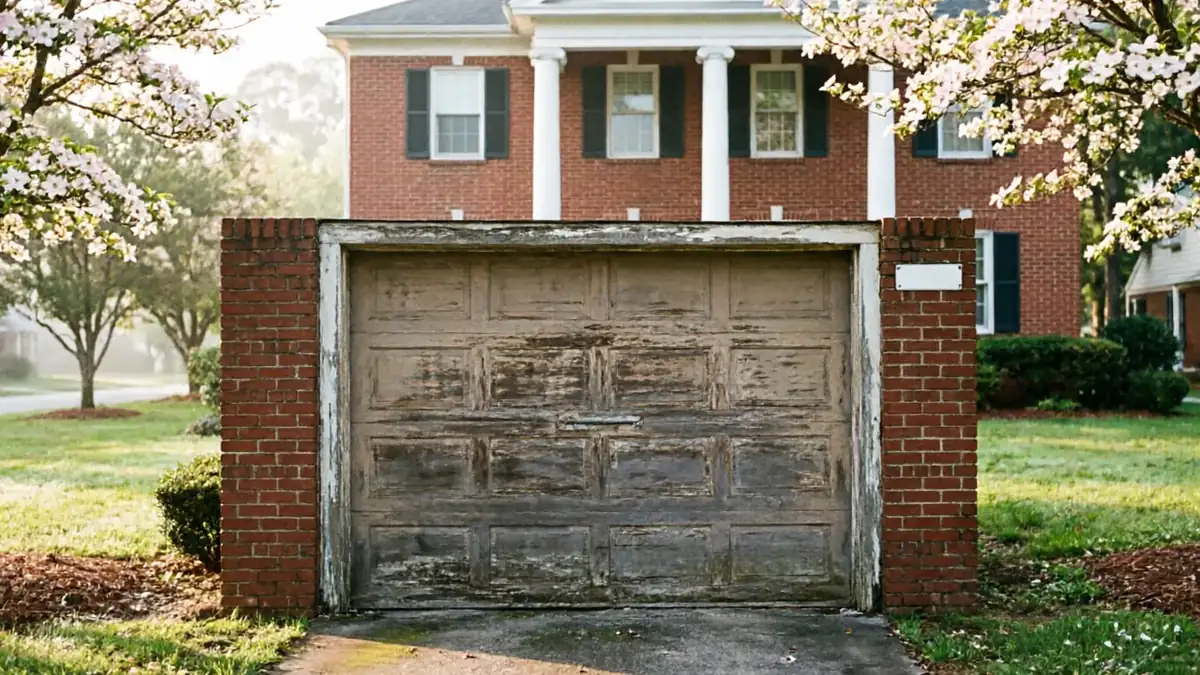
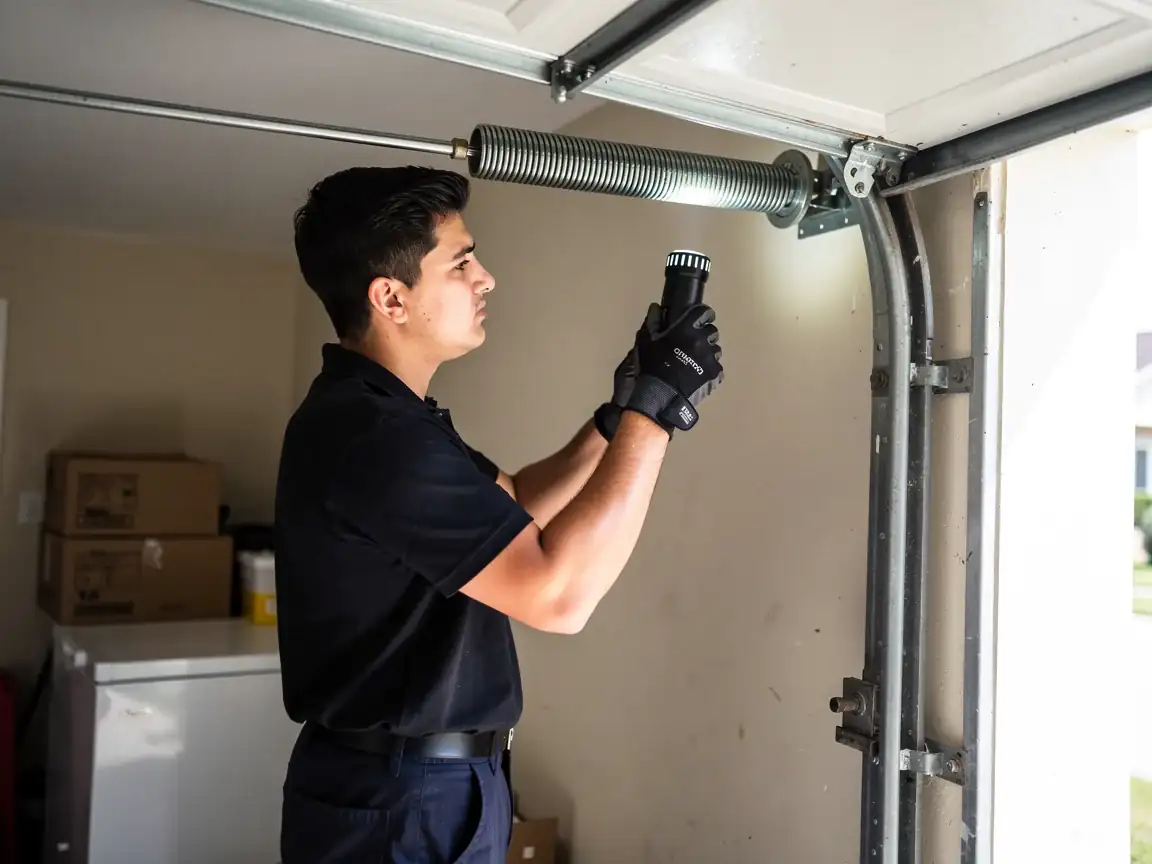
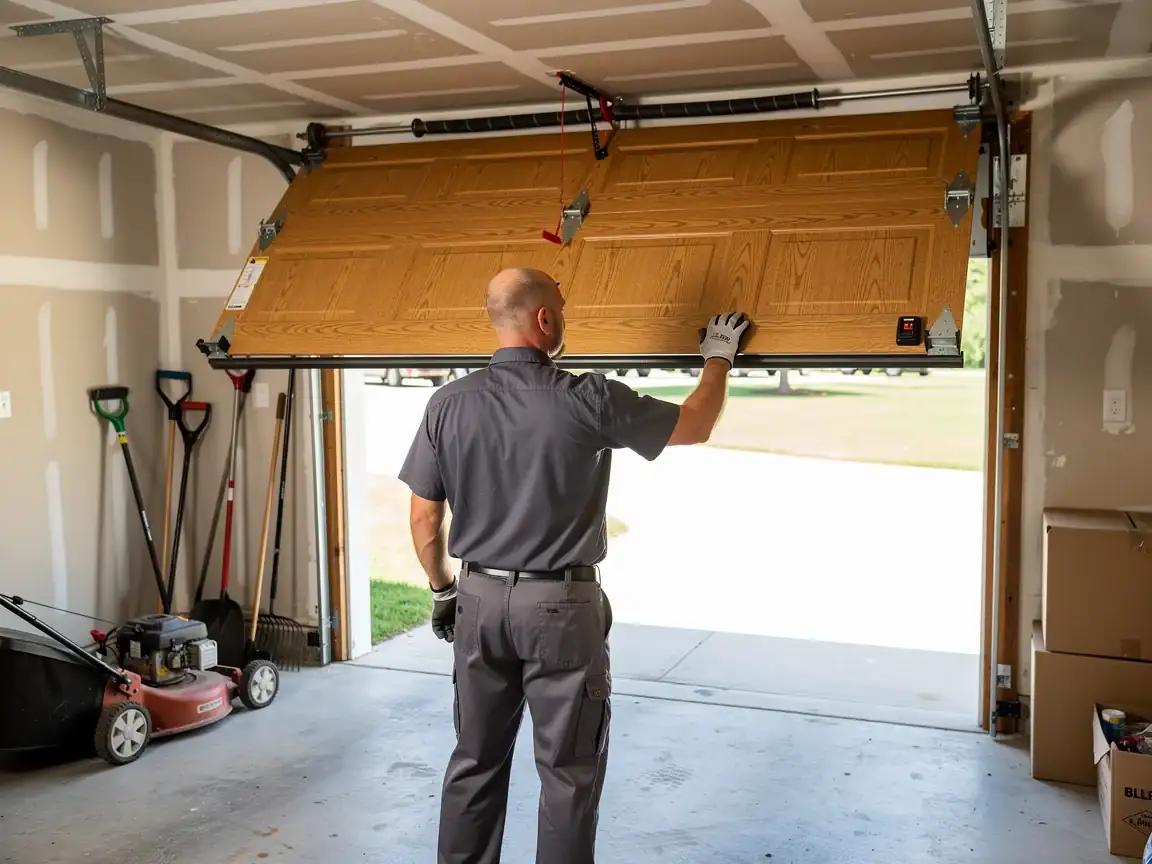
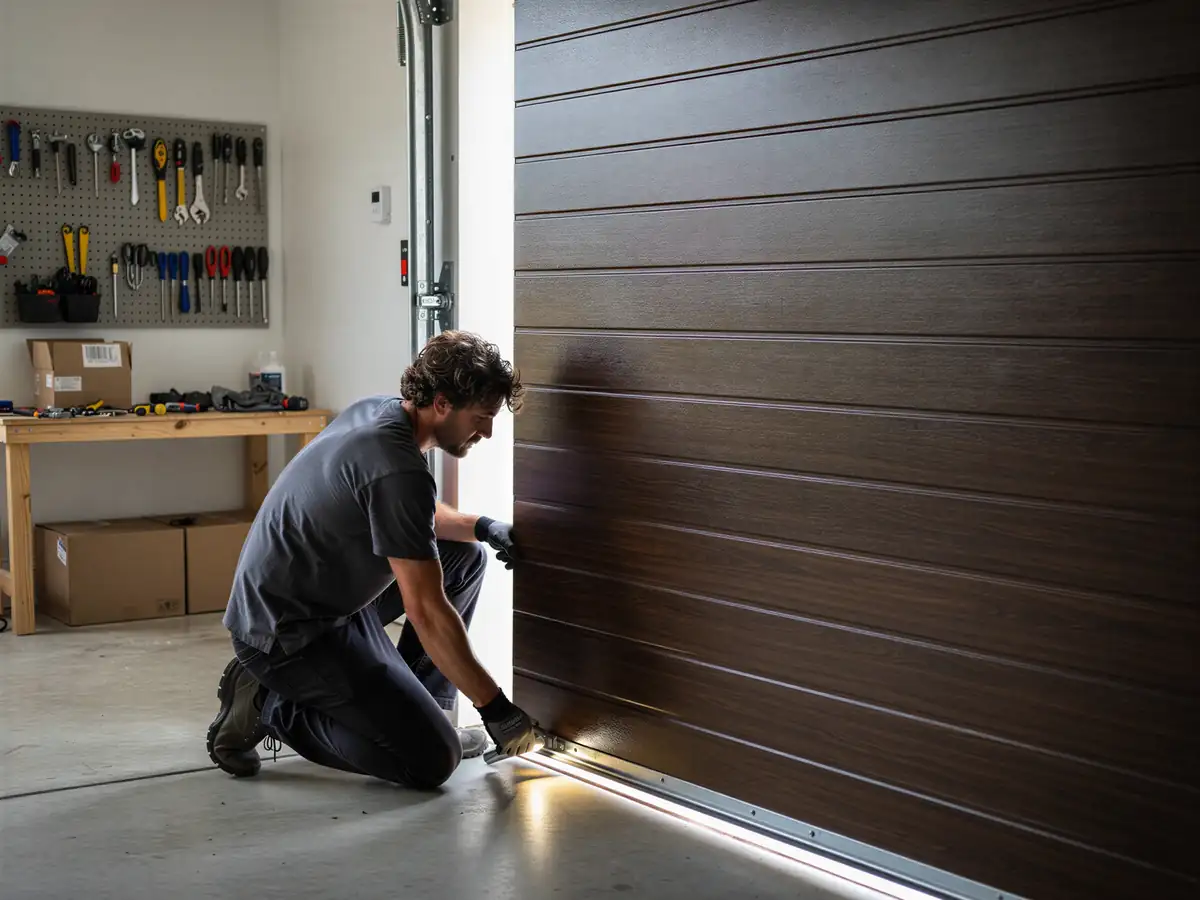
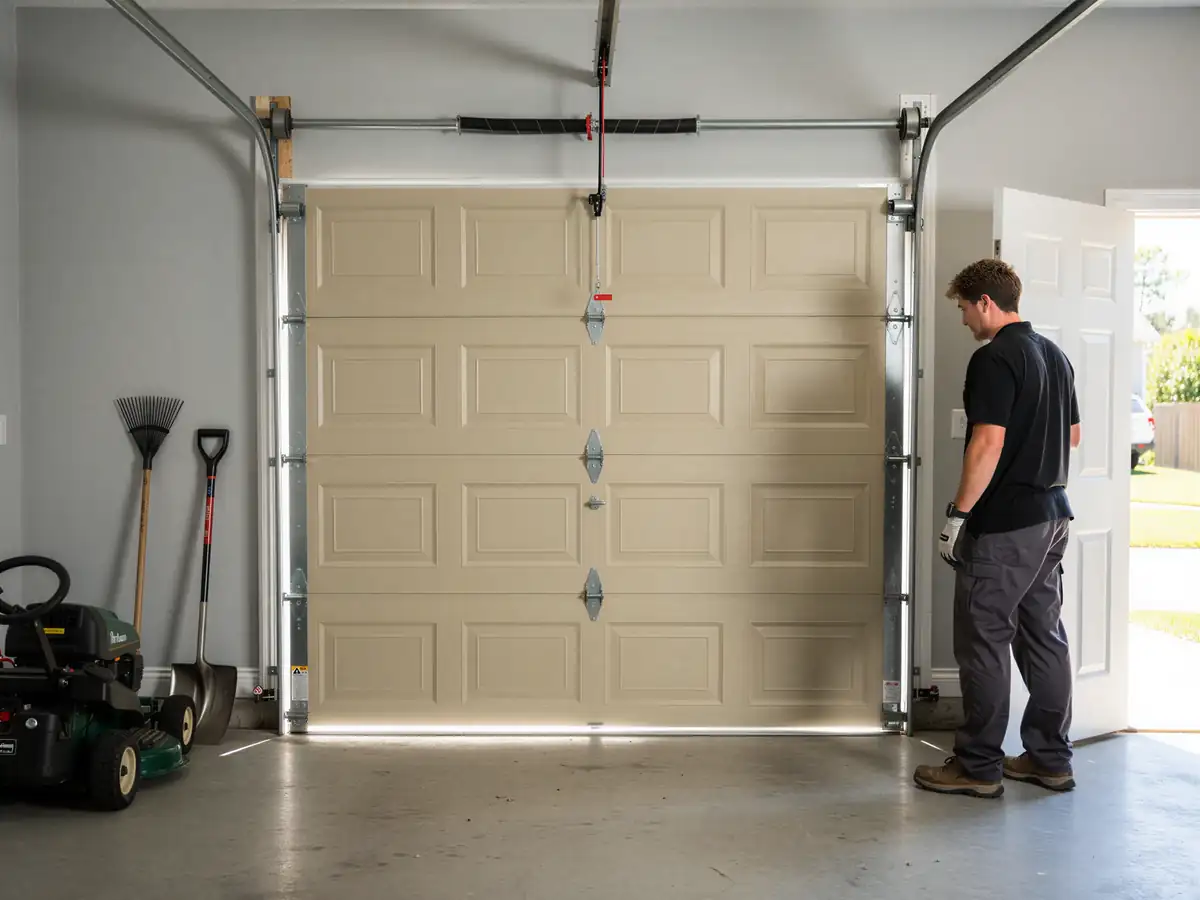
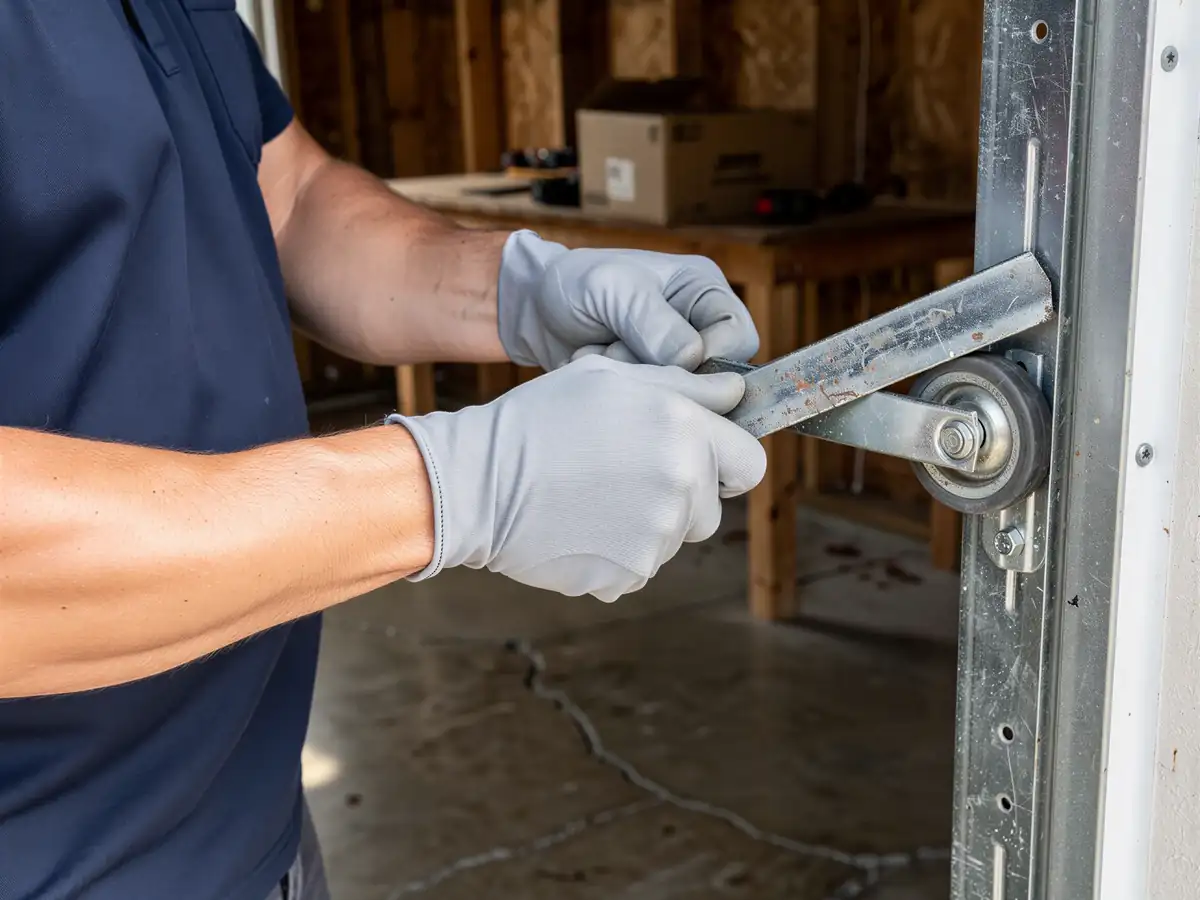
Before you decide to replace anything, look at three things. First, the panels: surface rust and small dents are cosmetic, but if a panel is bowed or the steel has rusted through at a seam, that's structural and no spring adjustment fixes it. Second, the track and rollers: if the door is still running on the original rollers from a 1980s or 90s install, that alone can explain noise and binding, and new rollers are cheap compared to a new door. Third, the spring: if it's original to a house from that era, it has already outlived a reasonable service life, and a fresh spring on a sound door and track is almost always worth doing. The honest limit here is that if the panels are rusted through or the door is badly out of square, spending money on a spring and rollers is pouring a repair into a door that's going to need replacing in a year or two anyway - better to put that money toward the new door instead.
Straight answers about garage door repair in Centreville. Still unsure? Ask us directly.
My garage door is from the 1980s and still works fine - do I need to replace it?
Not necessarily. If the panels are sound and the track is straight, a working 1980s door can keep going with a new spring and rollers. Age alone isn't a reason to replace it. What matters is the condition of the steel and the track, not the installation date.
Why did my door get so much harder to open once it got cold?
Cold steel and thickened lubricant both add resistance, and a spring that was already weakening will show it first in winter. If the door got noticeably harder to lift once temperatures dropped, the spring is likely near the end of its life, not the opener.
Is it worth replacing rollers on an older door instead of buying a new one?
Usually, yes. Rollers are one of the cheapest parts on the door, and worn originals from a 1980s or 90s install are a common cause of noise and binding. If the panels and track are otherwise sound, new rollers often solve the problem without a full replacement.