Garage Door Service Built for Centreville's Older Doors
Garage door service for Centreville's 1980s and 90s housing stock, built for cold-severe winters. Spring, opener, and track work from a crew that knows the area.
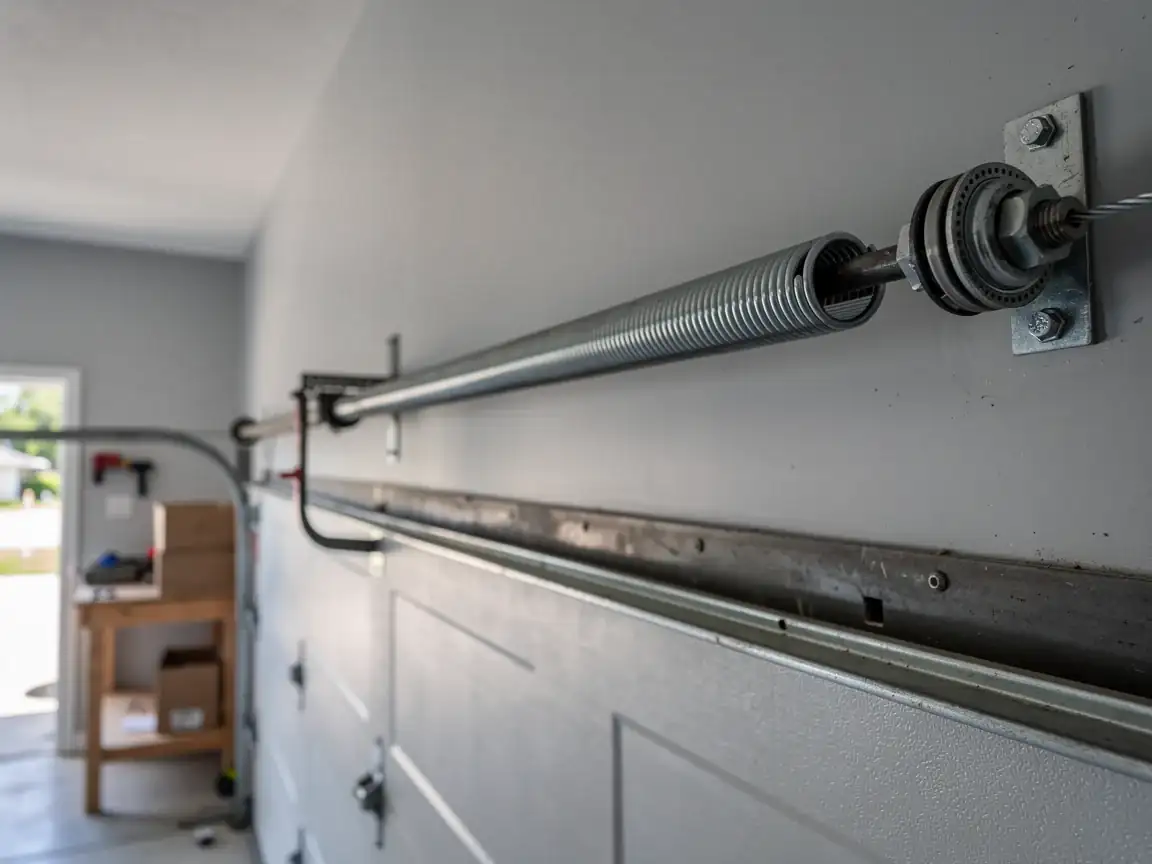
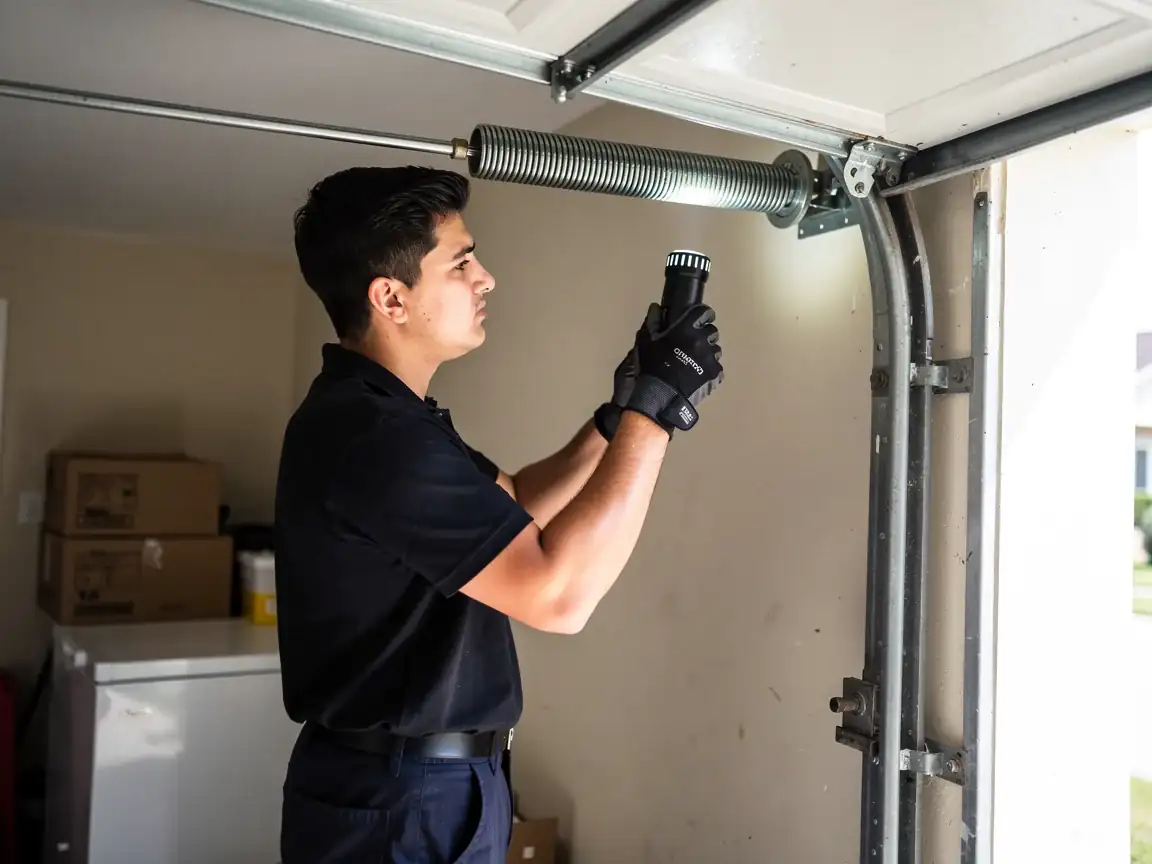
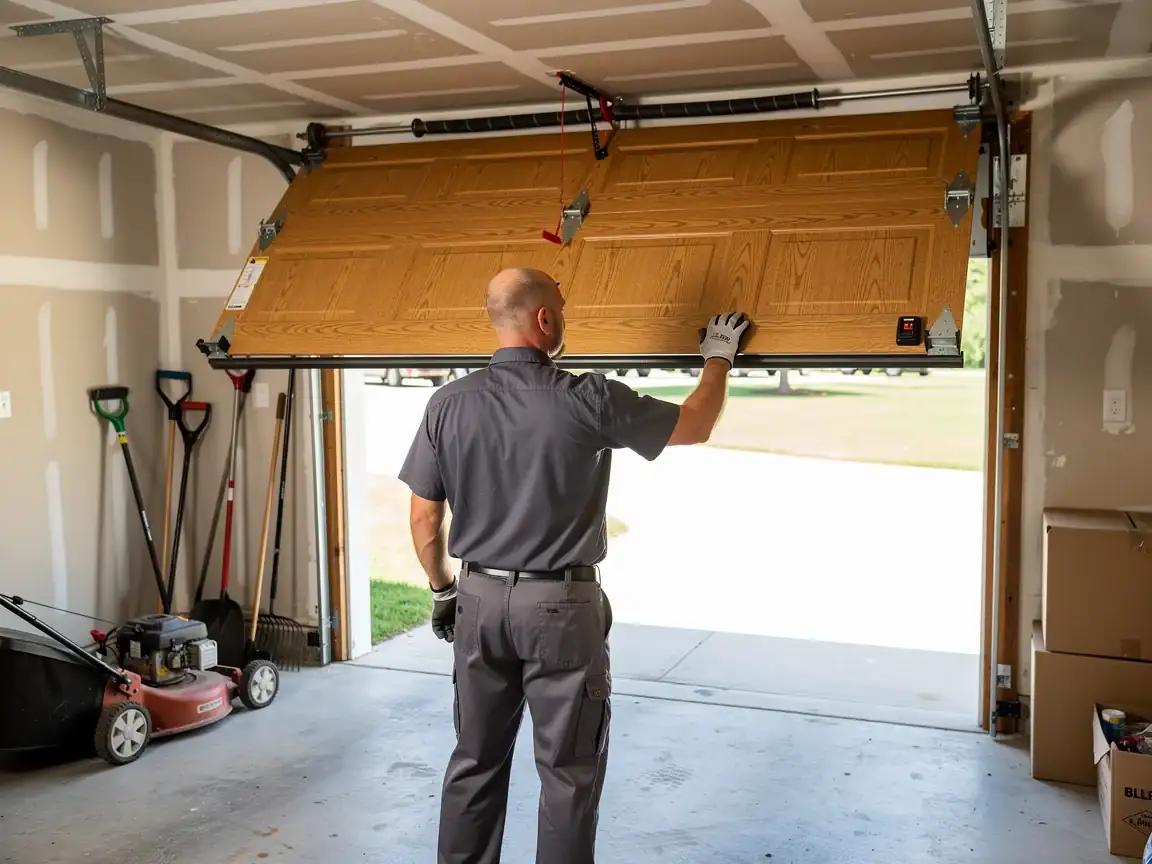
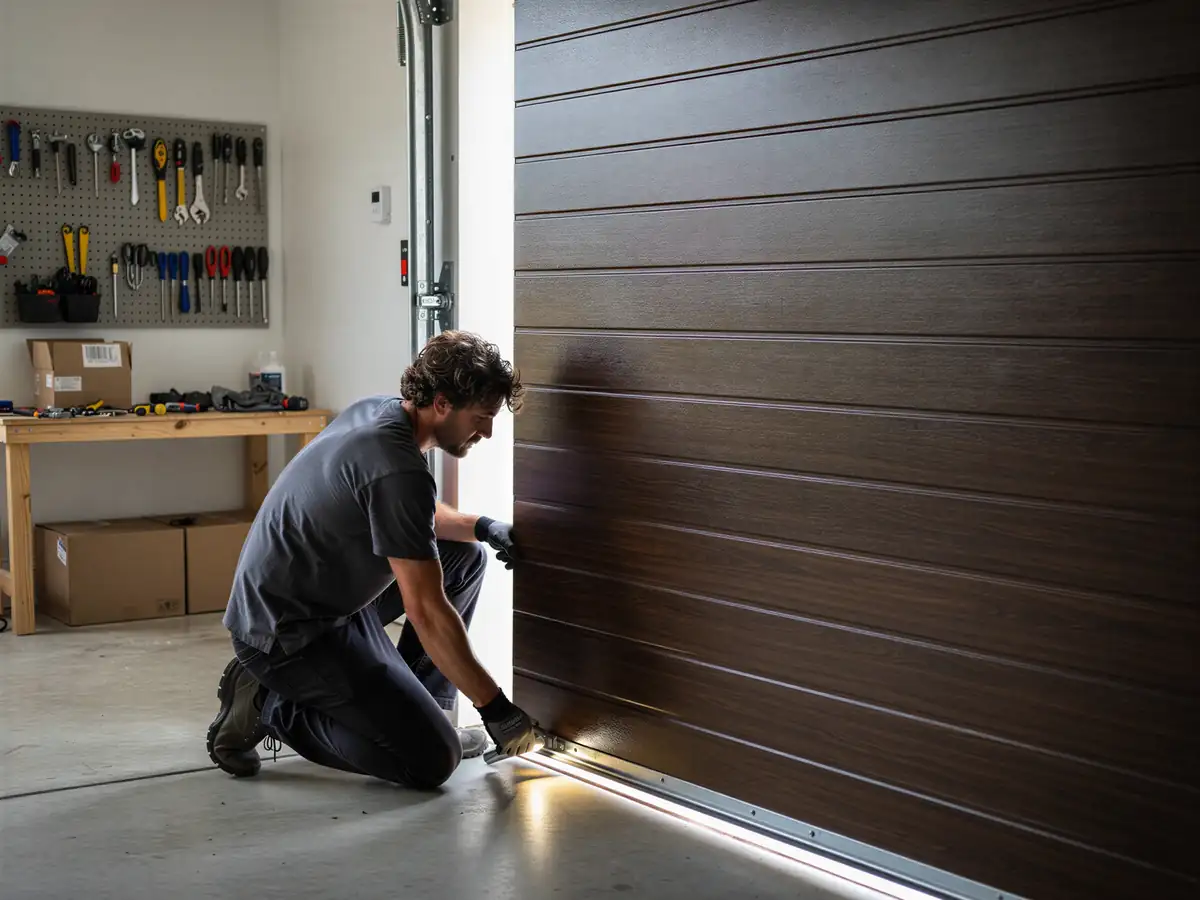
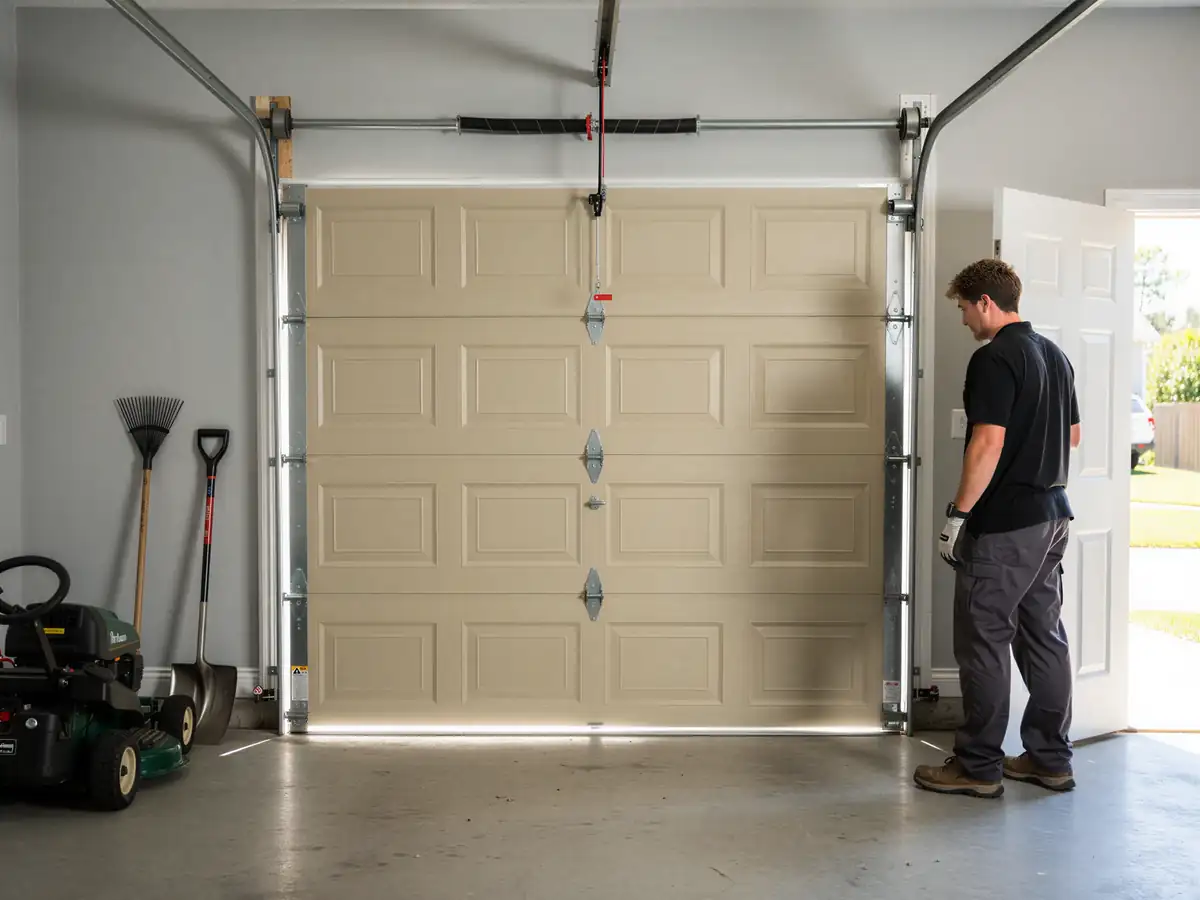
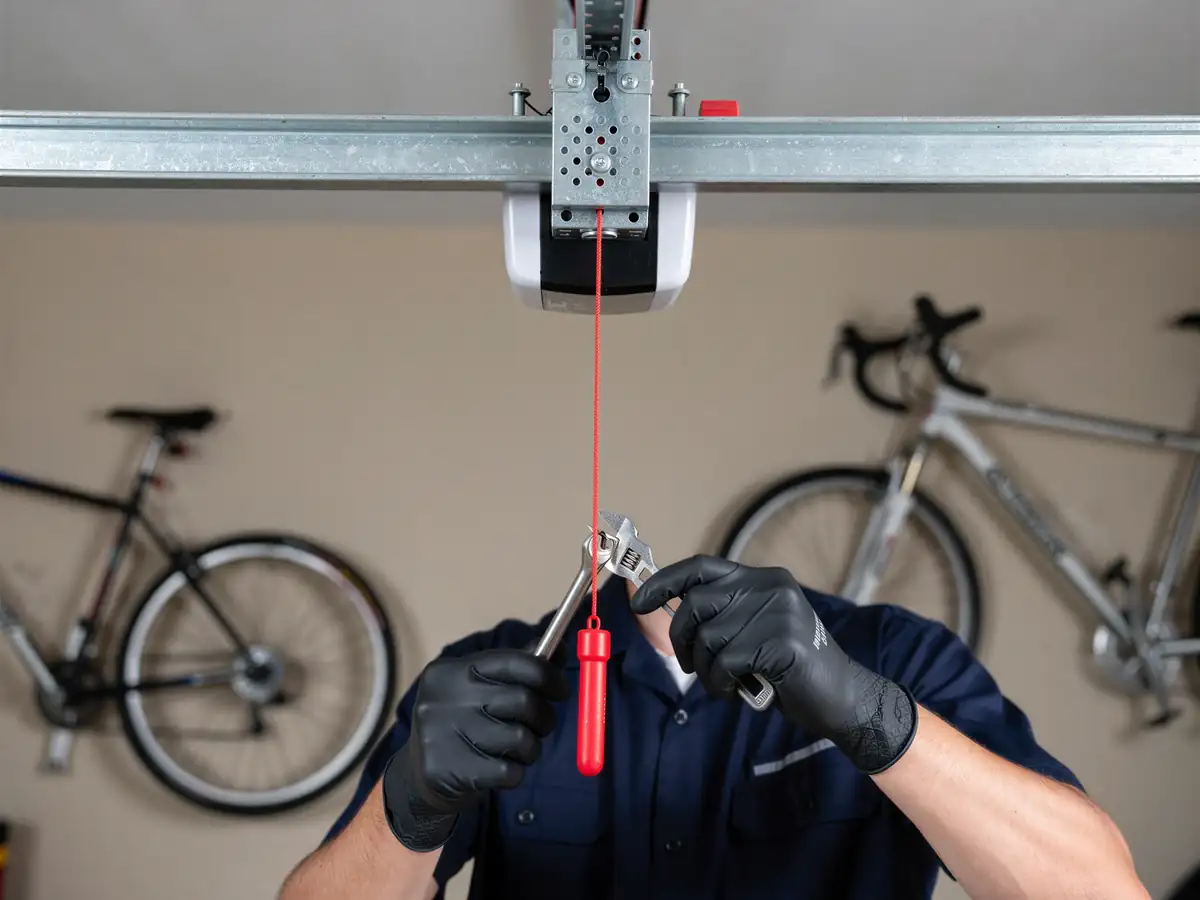
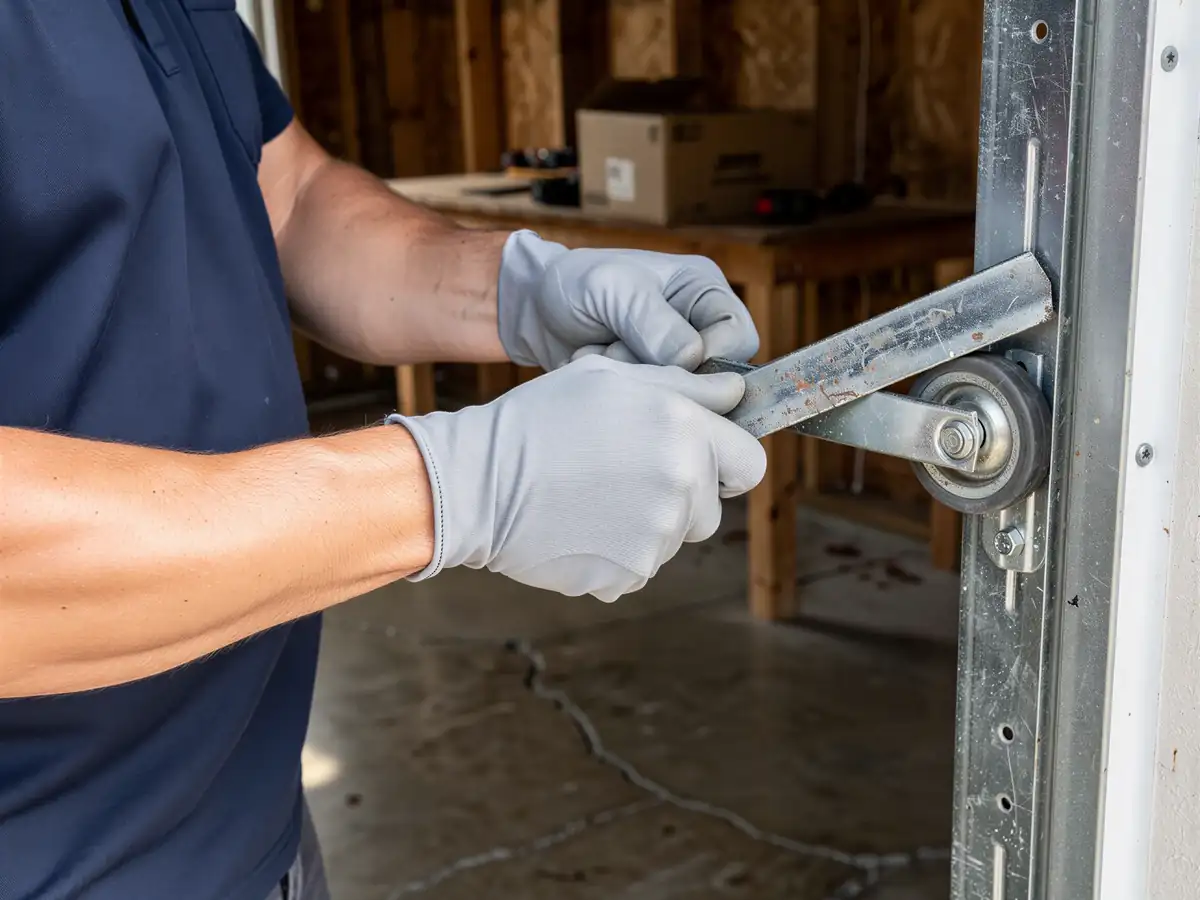
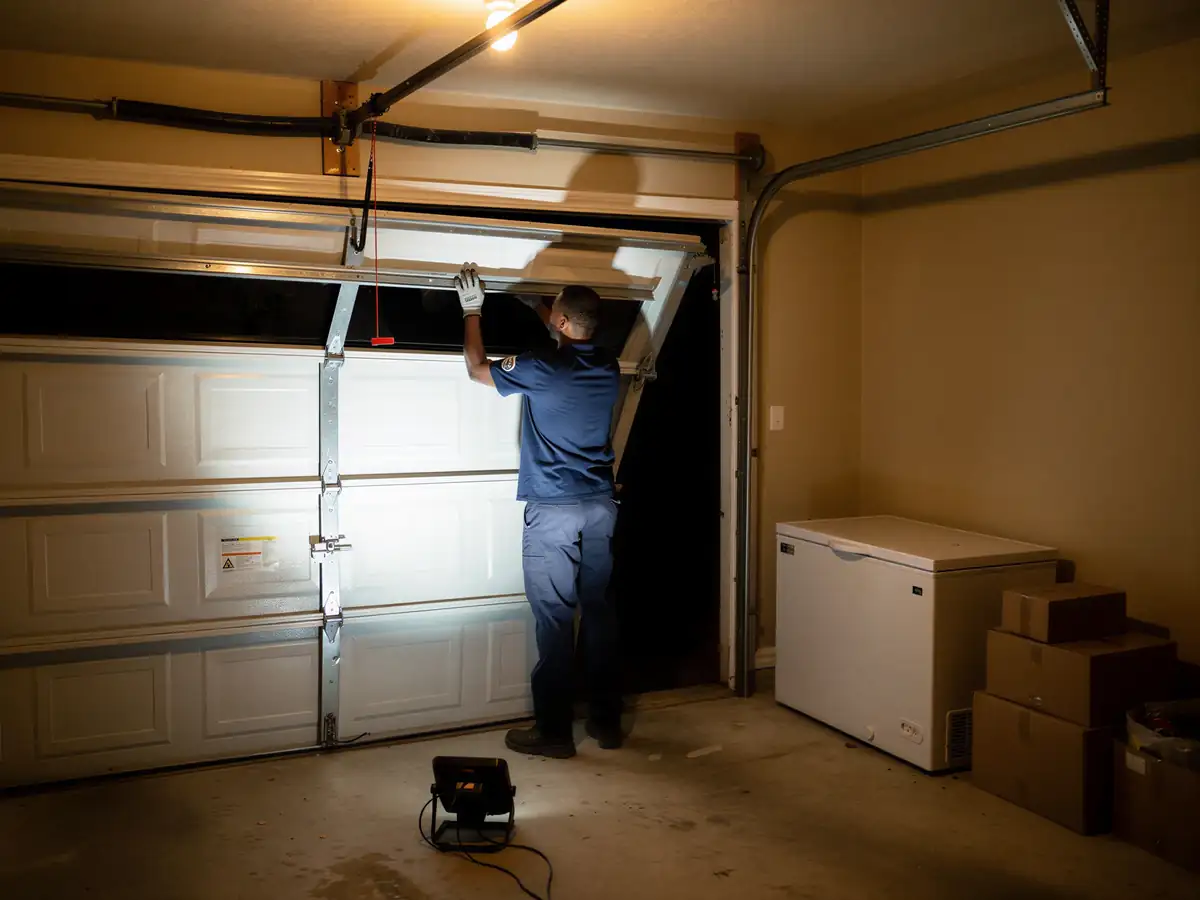
A service call here usually starts with the spring system, not the opener. Most garage doors in this area are original or close to it, running on torsion hardware that's now thirty to forty years old. We check spring wind and cable wear first because a spring under the wrong tension is what turns a slow door into a stuck one, and a stuck one into a dented panel when somebody forces it. From there we go down the track - rollers that have flattened on one side, hinges that have worked loose from thousands of freeze-thaw cycles, and the bottom seal, which on a house built in the 1980s or 90s has usually been replaced once already and is due again. If the opener is the original chain-drive unit, we test the force settings and the safety reversal, since those drift over decades even when the motor still runs fine. We don't replace parts that test sound just to pad a ticket - if the spring has life left in it, we say so and move to what's actually failing.
How to Book
Call or use the contact page to get a service window set. Tell us the age of the house if you know it and what the door is doing - won't open, opens partway, makes a bang when it closes - and we'll bring the parts that match a door from that era rather than guessing on-site. For the owner-occupied houses that make up most of this service area, a straightforward spring or roller job is usually a single visit. If the opener needs a part we don't carry on the truck, we'll tell you that up front instead of making you wait around for a second appointment you didn't know was coming.
Why It Happens Here
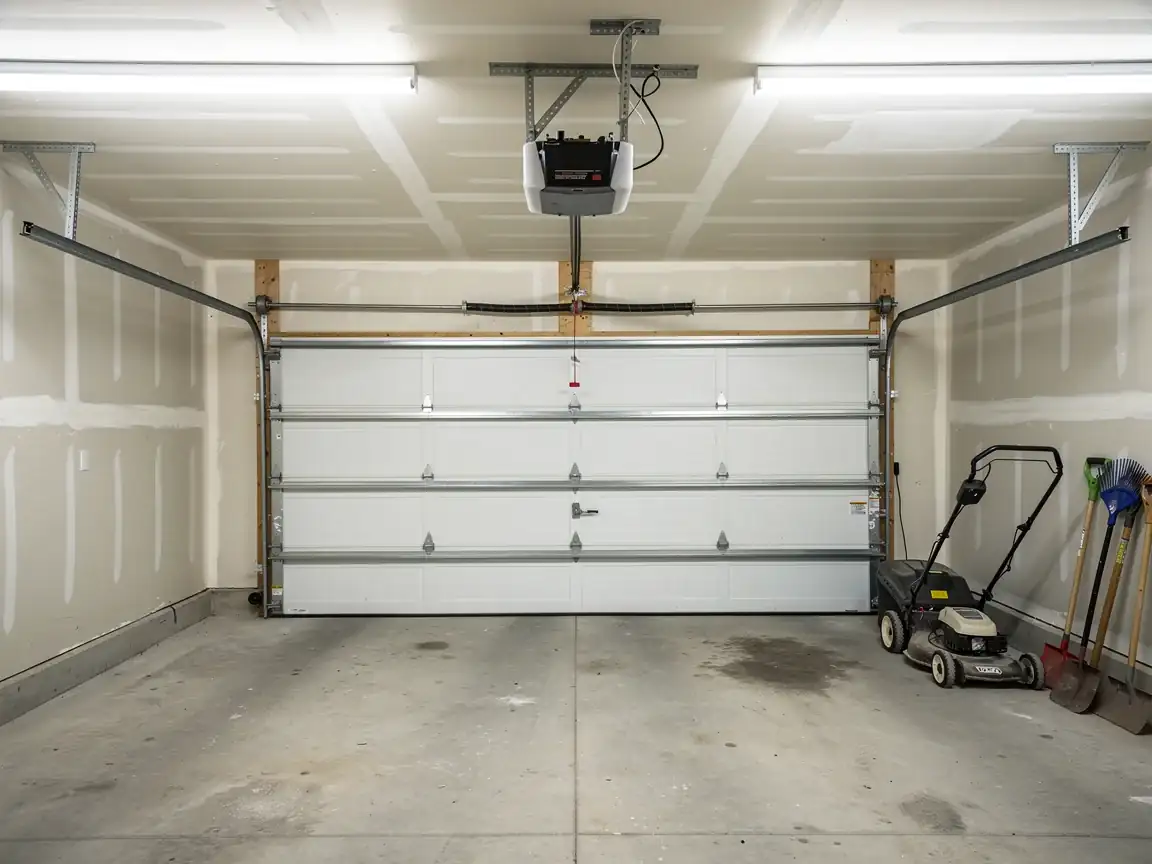
Housing in this service area was built between 1940 and 2015, with the median landing around 1981, and the bulk of the 49 named communities nearby went up in that same 1980s-to-90s wave. That means a huge share of the garage doors in daily use are the same age as the houses - original torsion springs, original track hardware, original weatherstripping that's dried out and cracked. Pair that with a cold-severe climate band and you get metal that contracts hard every winter: springs lose tension faster, grease on the track thickens and slows the rollers, and rubber seals that would last longer somewhere milder split after enough hard freezes. None of that is a defect in the door. It's just what thirty-plus years of winters does to hardware that was never meant to be ignored that long. Houses out toward Bull Run and Clifton, both just a few miles from here, sit in the same build era and see the same pattern.
What You Are Seeing
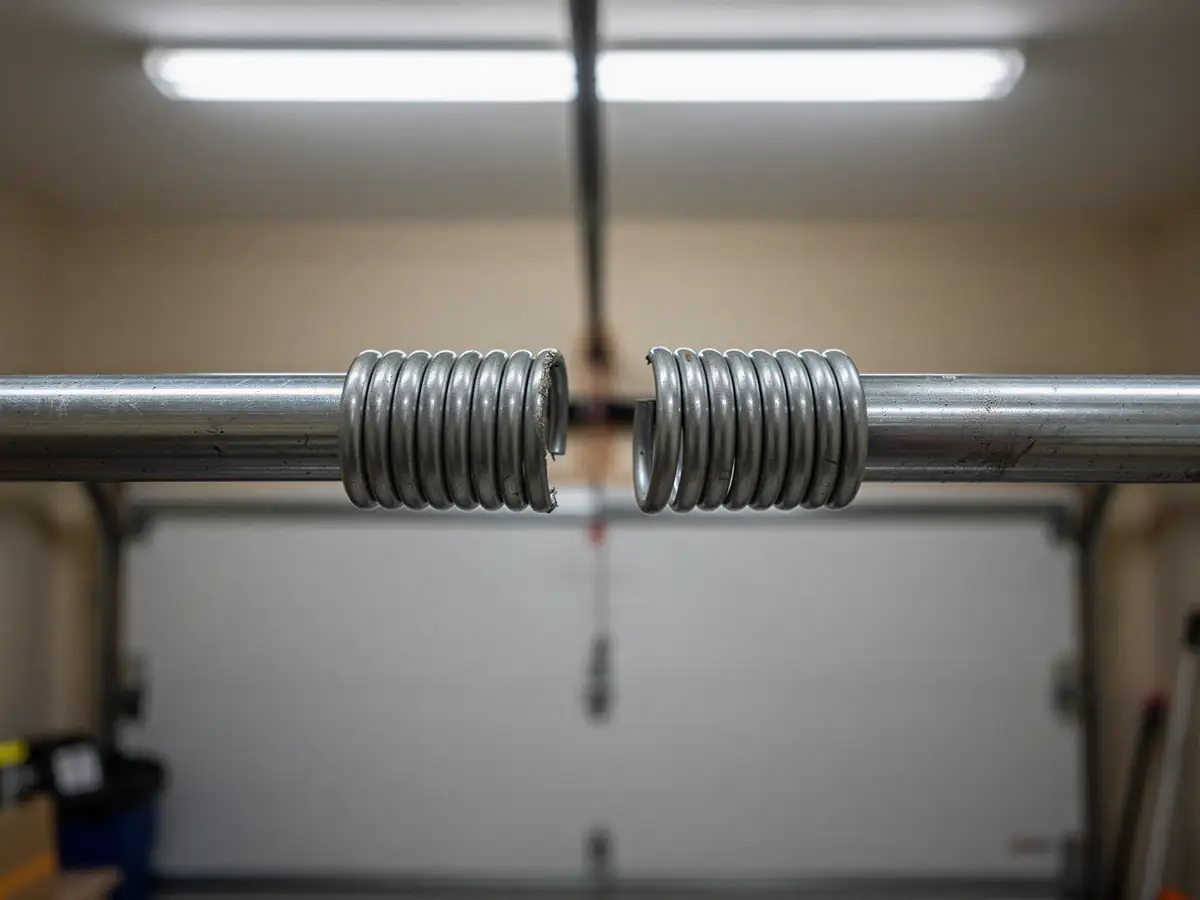
The calls we get most follow a short list: a door that creeps open crooked, one that slams the last six inches instead of settling, a loud bang from the spring area, or an opener that runs but the door barely moves. Crooked travel usually means one cable or spring is carrying more load than the other, which is common once original springs start to go out of balance with age. A hard slam at the bottom is almost always a spring that's lost most of its tension and isn't braking the door's weight anymore. If the opener motor runs but nothing happens, check the trolley connection before assuming the unit is dead - that's a five-minute fix, not a new opener. We'll also tell you plainly when a repair isn't worth it: on a door old enough that the track, springs, and opener are all failing within the same year, replacement costs less over time than chasing each part separately.
How it works
From “it’s stuck” to “it’s fixed”
A quick, honest process - no guesswork and no surprises, start to finish.
Straight answers about garage door repair in Centreville. Still unsure? Ask us directly.
How old does a garage door have to be before repair stops making sense?
It depends on what's failing, not just age. If the springs, track, and opener are all showing wear in the same visit, you're usually better off replacing the door than paying for three separate repairs within a year or two. We'll tell you straight when we see that pattern instead of patching it piece by piece.
Why does my spring keep losing tension faster than it used to?
Cold winters are hard on torsion springs, and once a spring is past its original service life - common on houses built in the 1980s or 90s - the metal doesn't hold its wind the way it did when new. Each freeze-thaw cycle takes a little more off.
Do you carry parts for older opener units?
We stock common trolley, gear, and sensor parts for chain-drive units from that era, since so many houses around here still run the original opener. If yours needs something less common, we'll tell you at the visit rather than leave you guessing.
Can a crooked-looking door actually be fixed, or does it need a new door?
Usually it's fixable. A door that travels crooked is most often an unbalanced spring or a worn cable on one side, not a bent track or a door reaching the end of its life. We check balance first before talking about replacement.