Garage Door Repair Built Around Centreville's Housing Stock
Garage door repair for Centreville homes built between 1940 and 2015, where cold-weather spring failure and aging openers are the most common calls we get.
Most repair calls in Centreville come down to one of three things
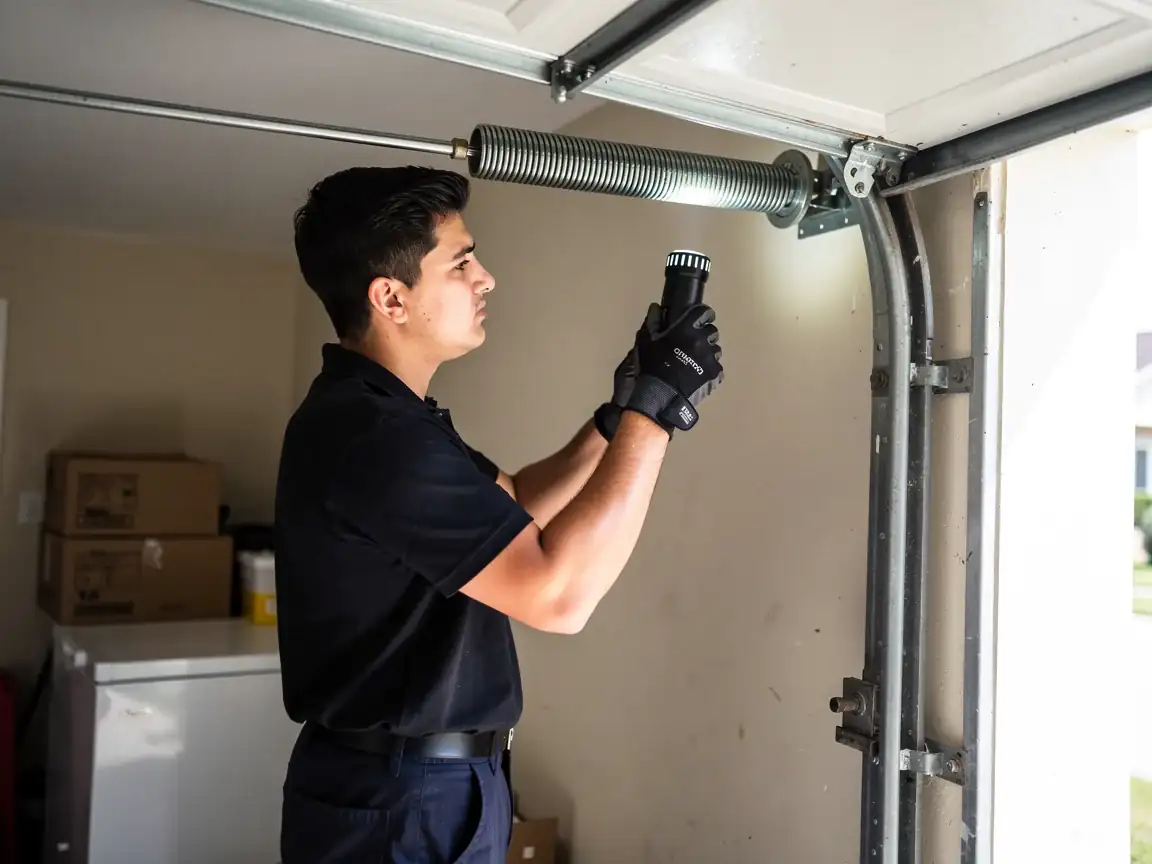
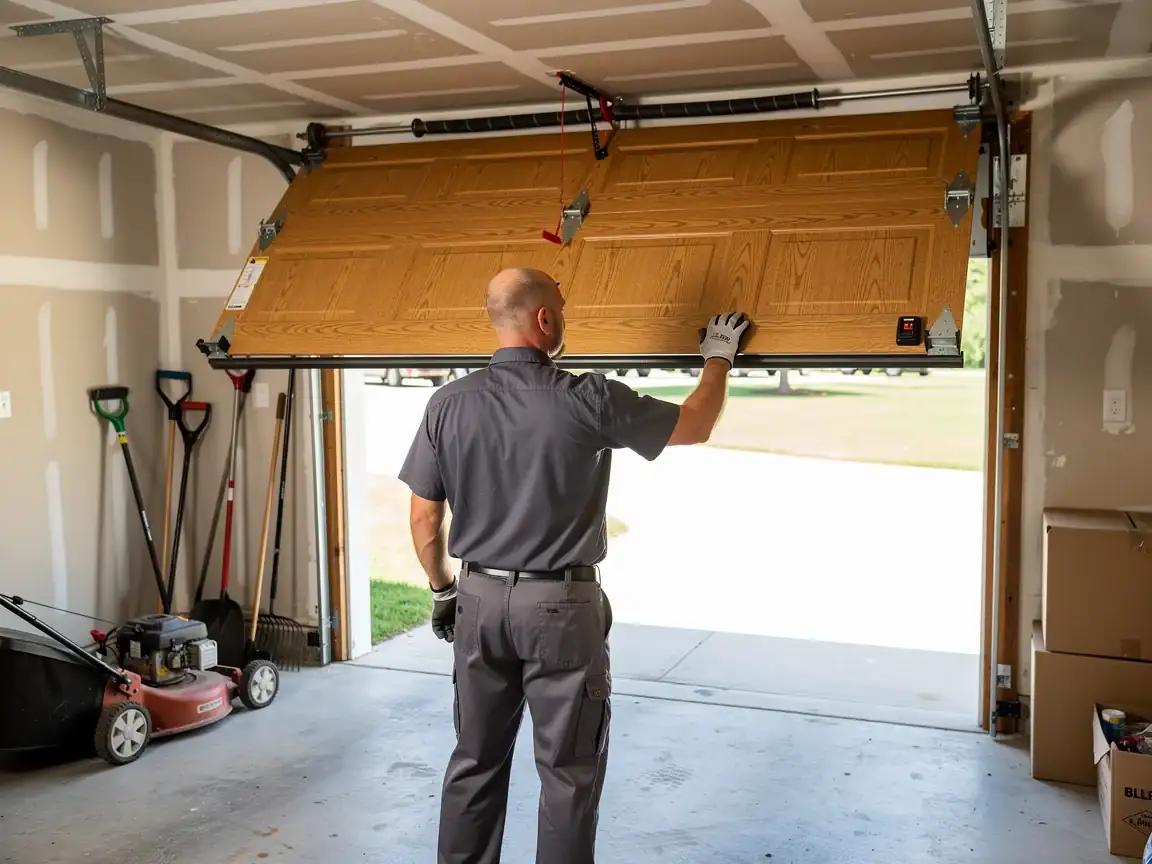
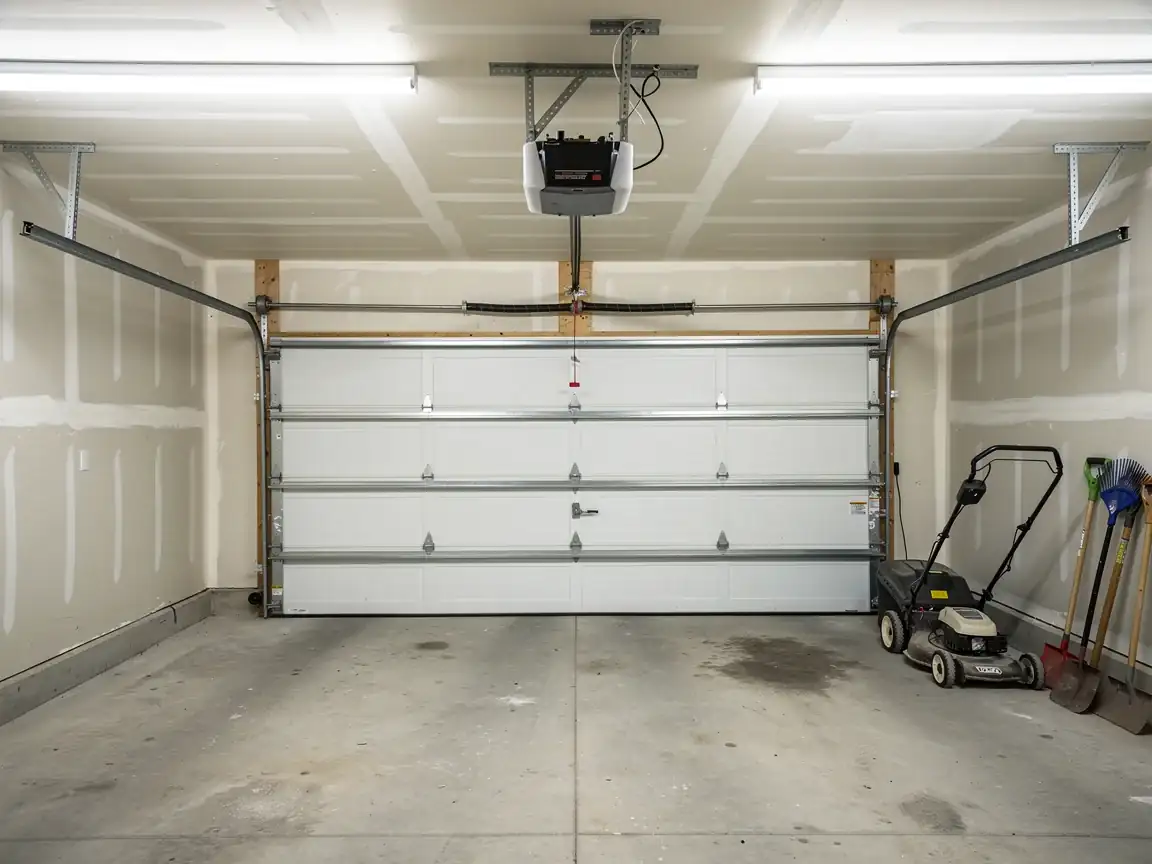
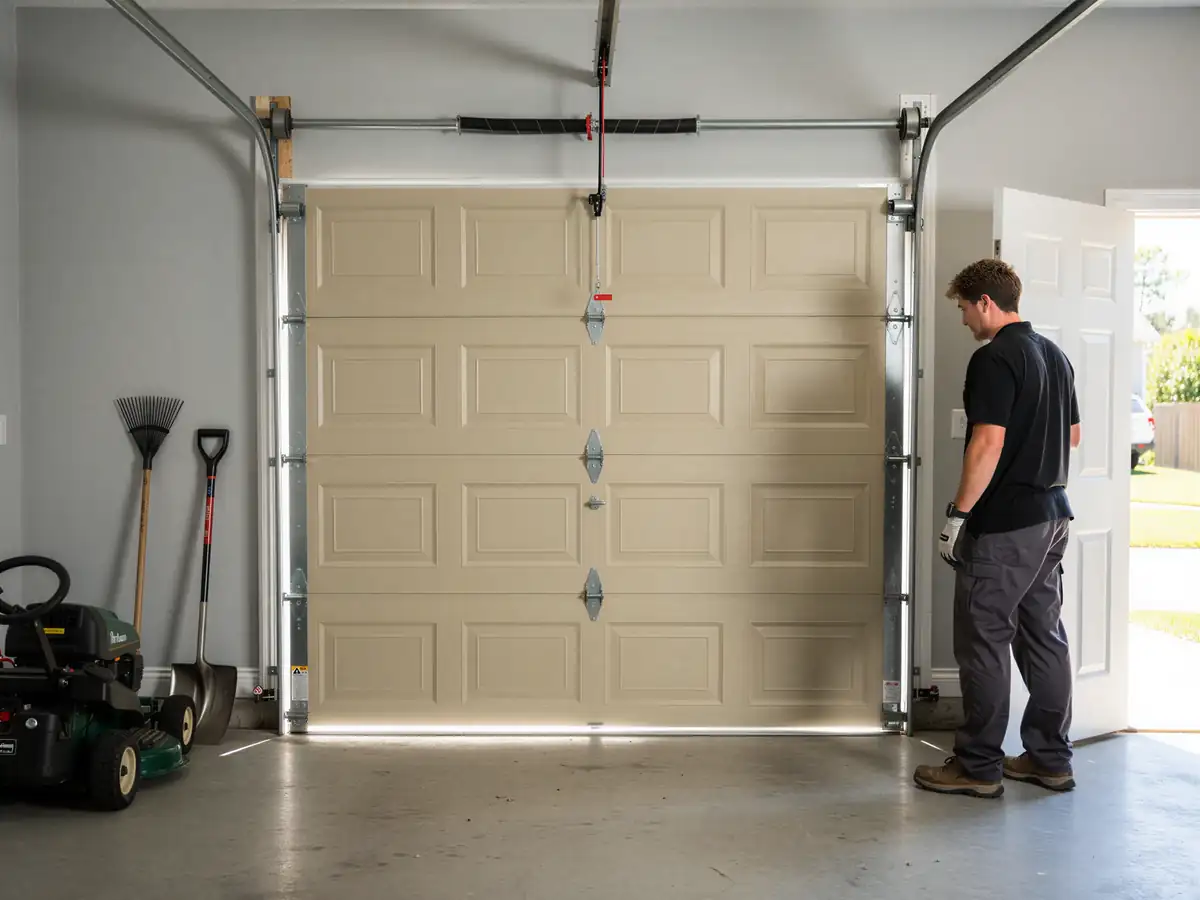
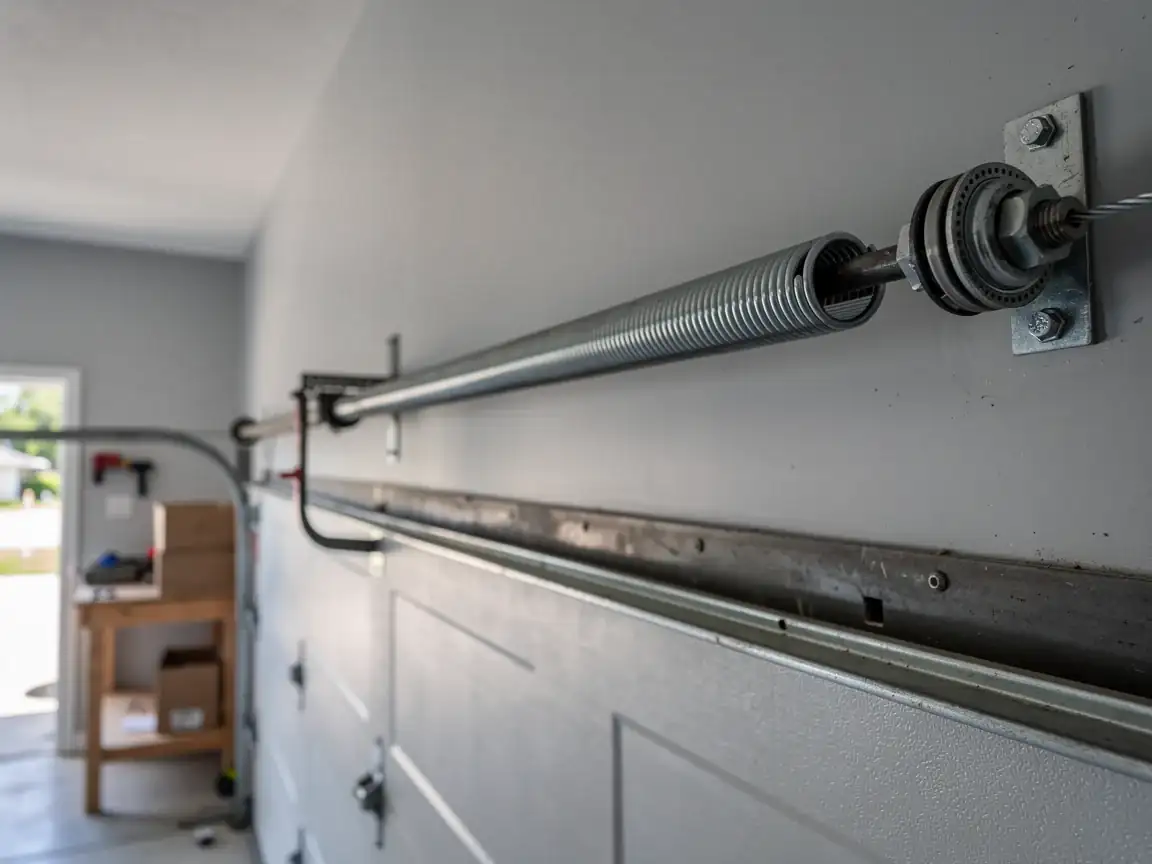
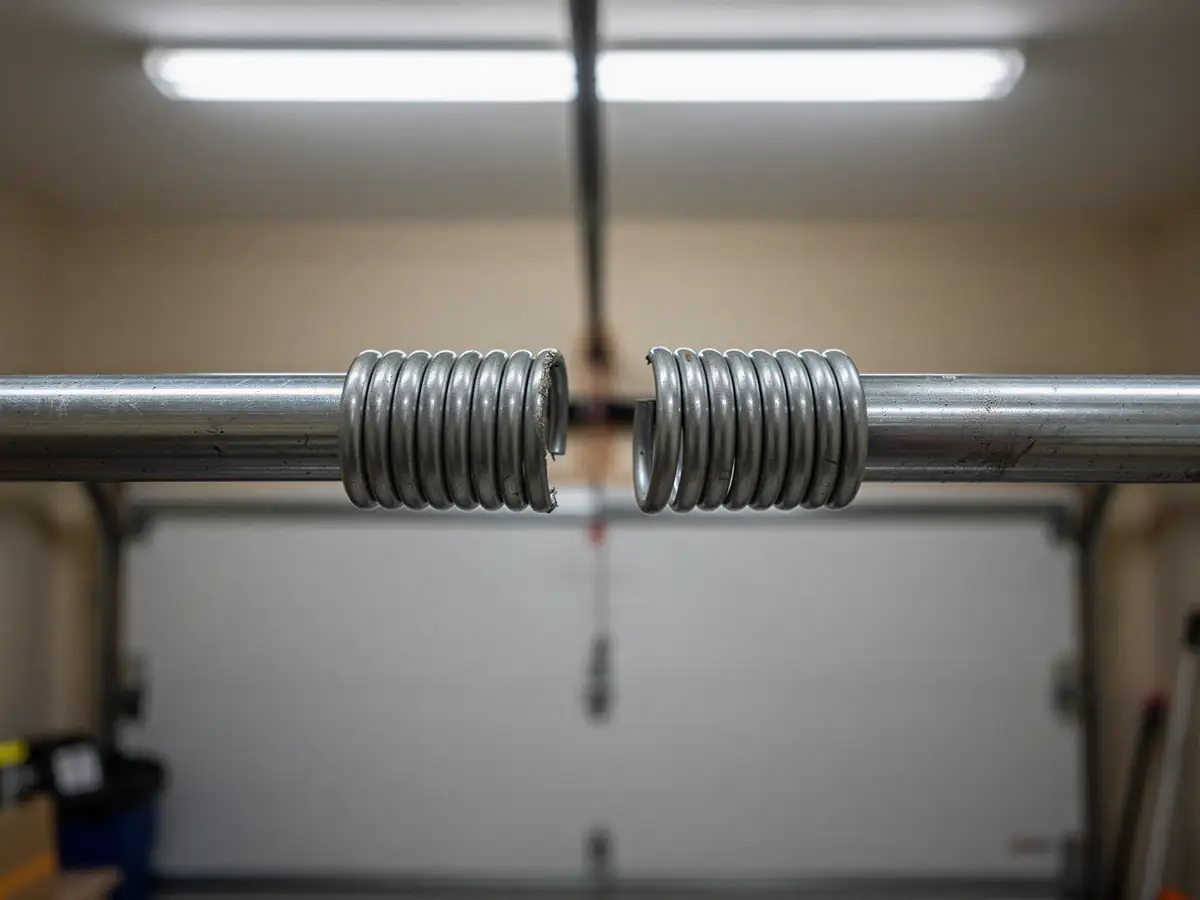
A broken torsion spring, a worn opener drive, or a track that's gone out of alignment. We start by running the door manually, off the opener, because that tells us whether the problem is the spring and cable system or the motor. If a spring has snapped, we match the wire size and wind to what's already on the shaft rather than swapping in a universal spring that's close enough - 'close enough' on a torsion spring means the door either won't balance or wears out the opener trying to compensate.
02
On homes with original hardware from the 1980s and 90s
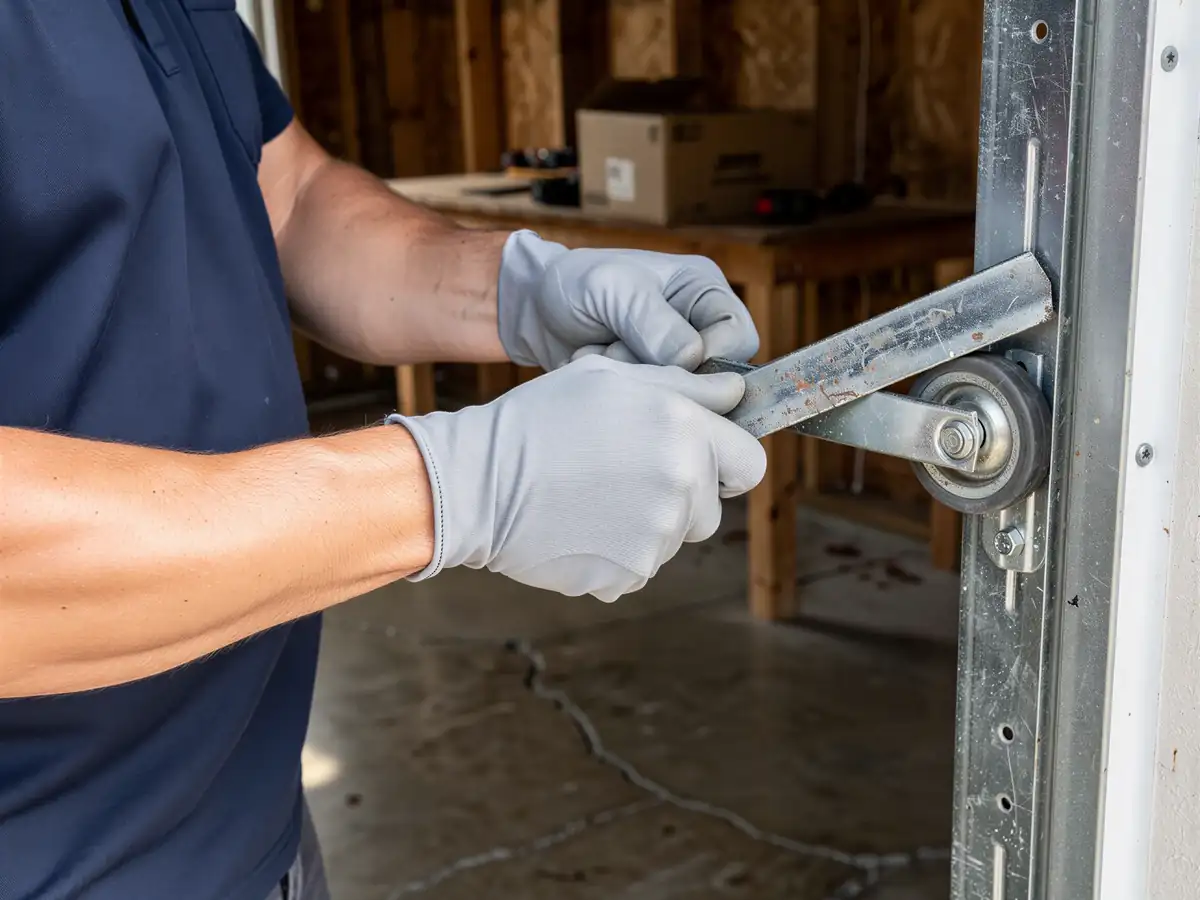
Which covers a large share of the 49 named areas in this service territory, we're often dealing with galvanized springs and rollers that were standard for that building era. Those parts aren't failing because of bad luck - they're at or past the end of a normal service life for springs installed that long ago. We replace what's worn, not the whole door, unless the panels or track are bent beyond adjustment.
03
One limitation worth saying plainly
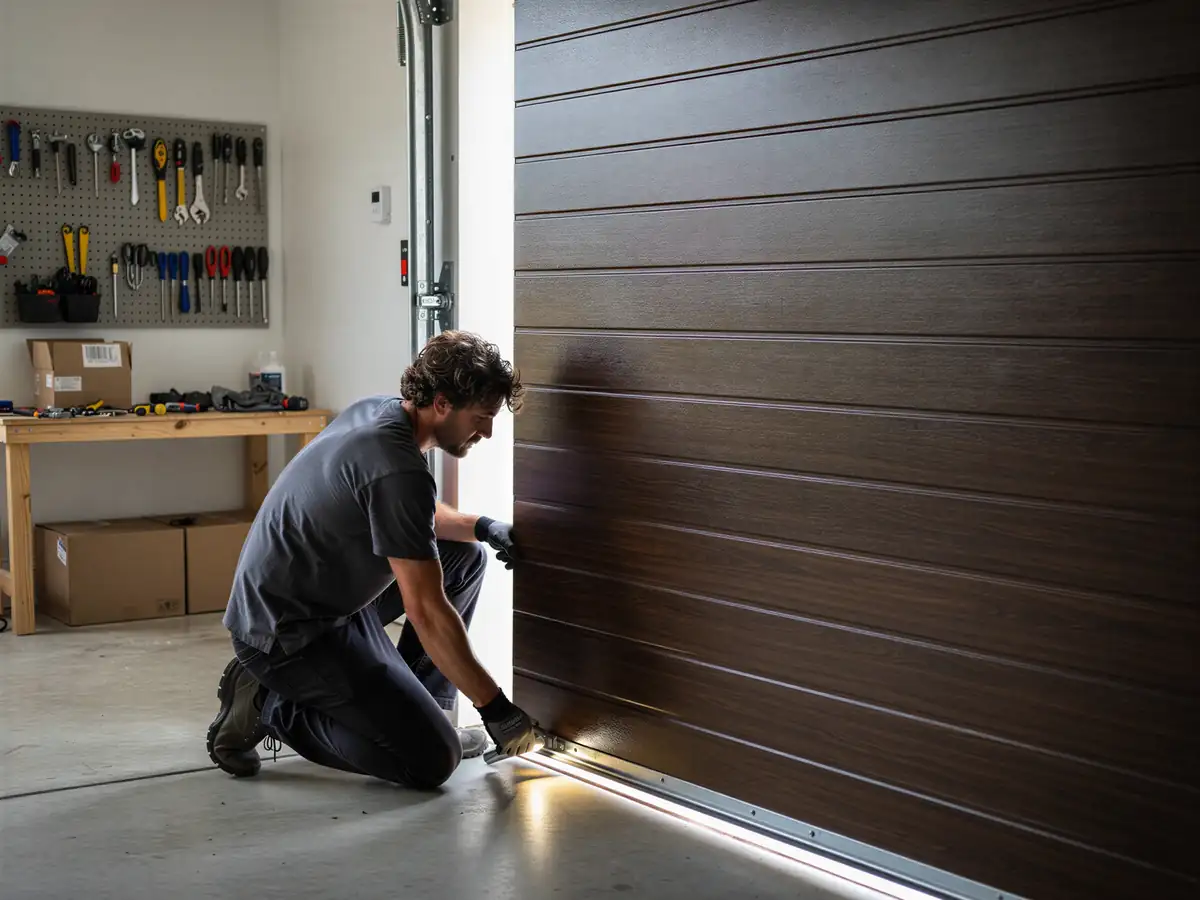
If a track is bent badly enough from an impact, bending it back is a temporary fix at best. We'll tell you when replacement is the honest answer instead of billing you for a repair that won't hold.
How to Book
Call and describe what the door is doing - won't open, opens partway and reverses, makes a grinding noise, or the opener runs but the door doesn't move. That detail helps us bring the right spring size or drive part on the first visit instead of a second trip. We work across the service area that includes Centreville and the surrounding communities, from Bull Run and Yorkshire a few miles out to places like Oakton and Springfield further along the corridor.
If the door is stuck in the open position overnight, say so when you call - a door that won't close is a different priority than one that's just noisy. We don't publish a flat price over the phone before seeing the door, since spring weight and drive type vary house to house, but we'll tell you what we're replacing and why before any work starts.
Why It Happens Here
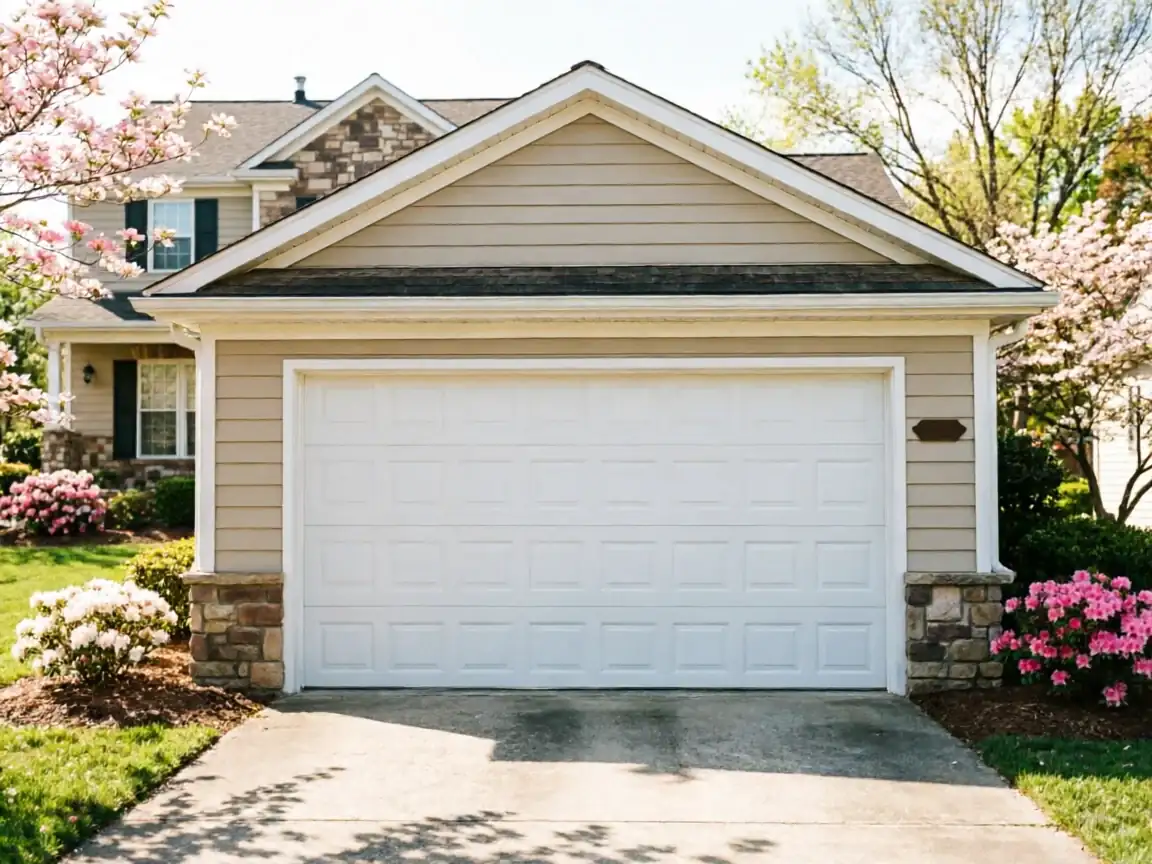
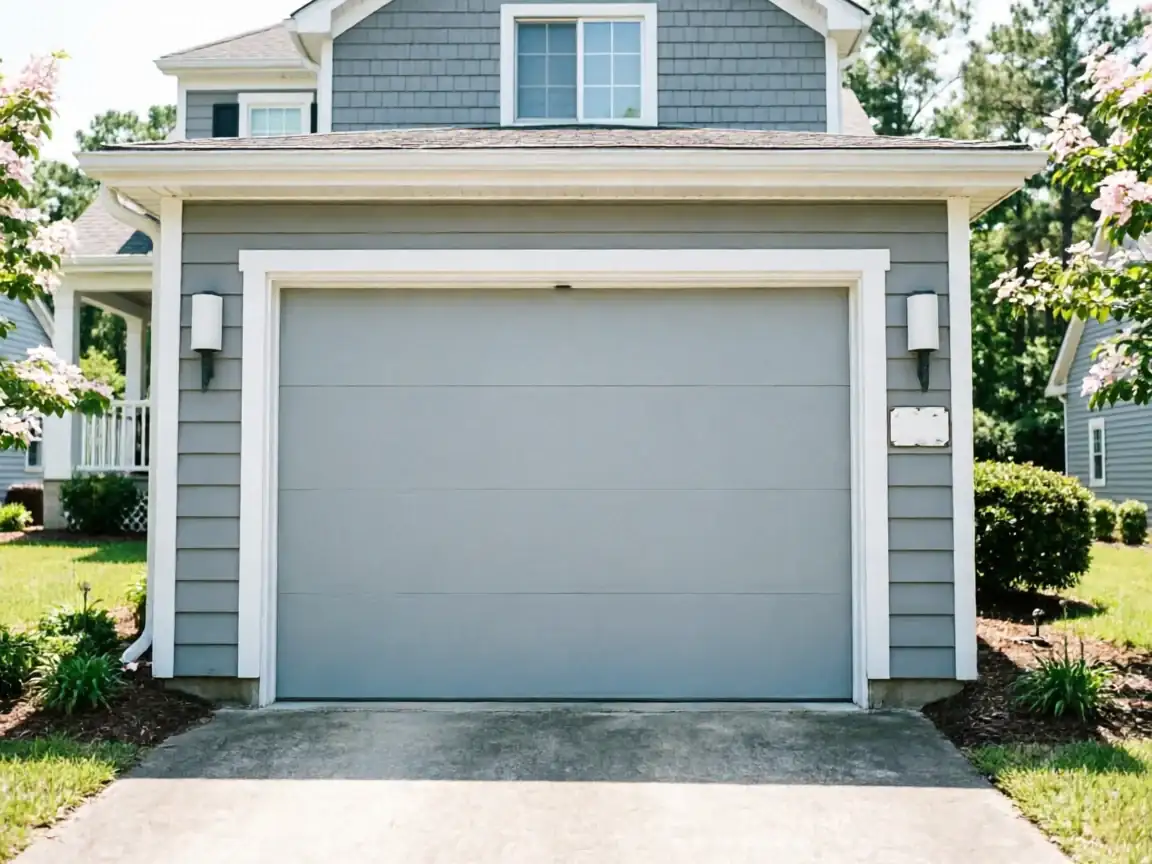
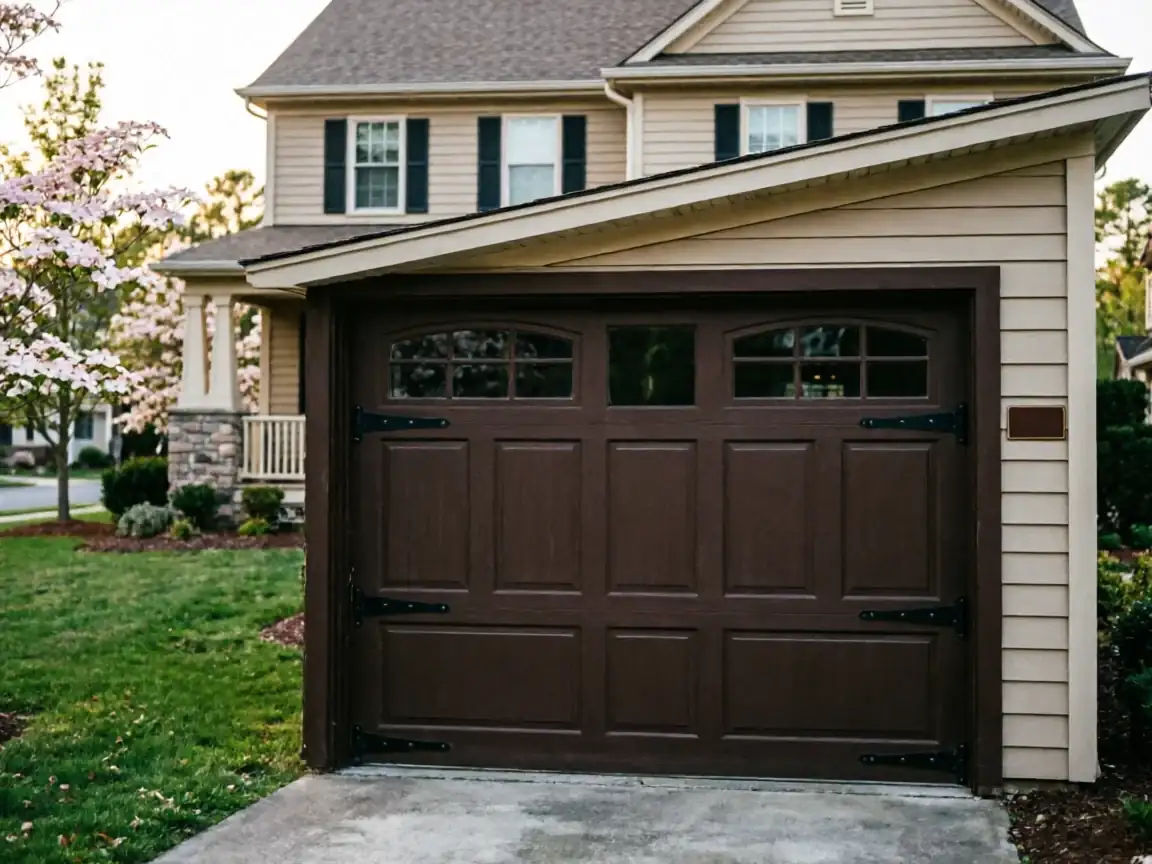
Centreville's housing runs from 1940 up through 2015, with the median build year around 1981, and that matters for repair work because torsion springs, cables, and opener gear-sets all have a working life measured in cycles, not years. A door installed when a house was built in the early 1980s has had three or four decades of daily use - that's well past when most springs are rated to fail, cleanly or otherwise.
The cold climate here adds a second factor. Steel springs lose some flexibility in sustained cold, and a spring that's already near the end of its cycle life is more likely to snap on a frigid morning than a mild one - the metal simply has less give left in it. We see a seasonal bump in spring-failure calls for exactly that reason, concentrated in homes built in that 1980s-90s window that makes up most of the housing stock across this service area.
What You Are Seeing
01
A door that's heavy to lift by hand
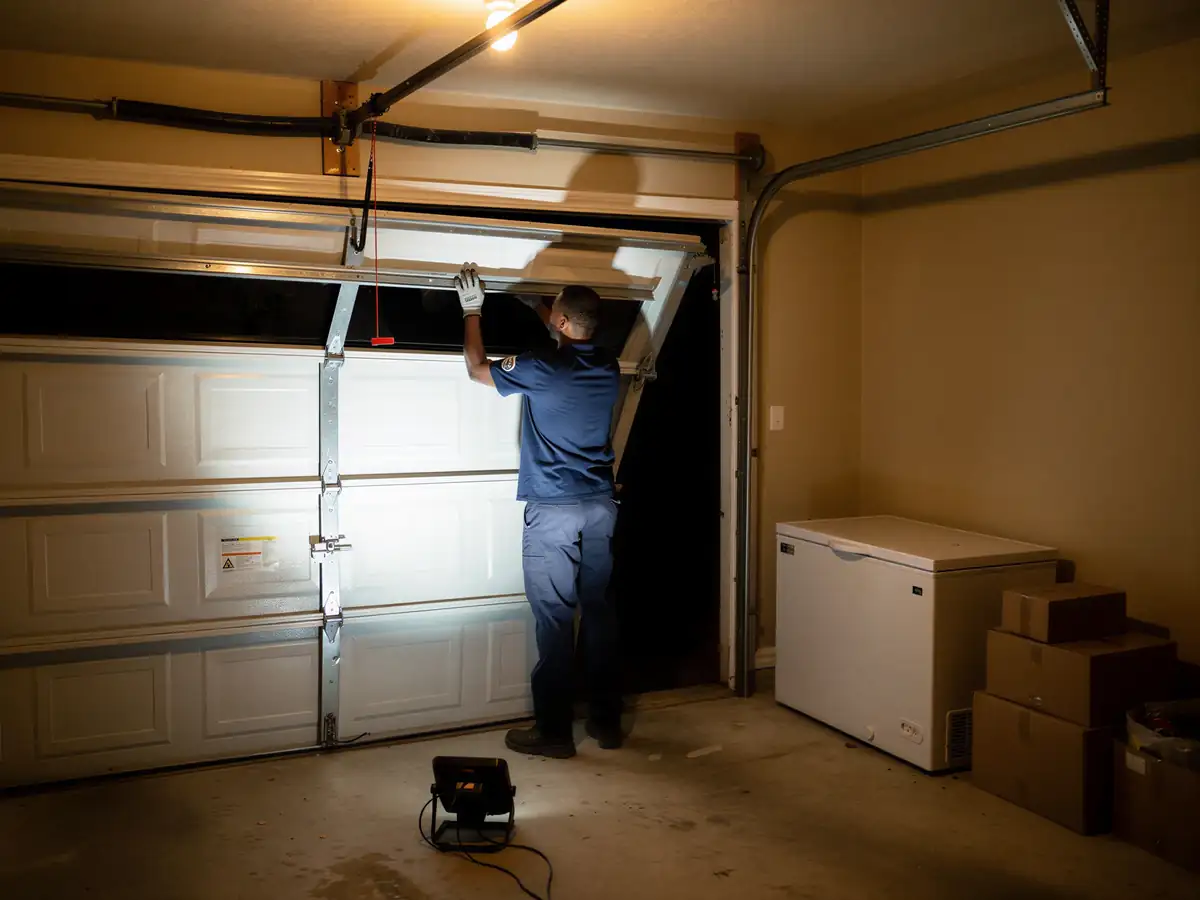
Or won't stay up when disconnected from the opener, usually means a weak or broken spring - the opener is doing work it was never built to do, and that shortens its life too. A door that reverses partway up or down, especially in cold weather, often points to a misadjusted limit switch or a track that's slightly out of plumb from age and settling, common in houses built decades ago on this side of the service area.
02
Grinding or popping noises during operation are usually rollers worn down to bare metal
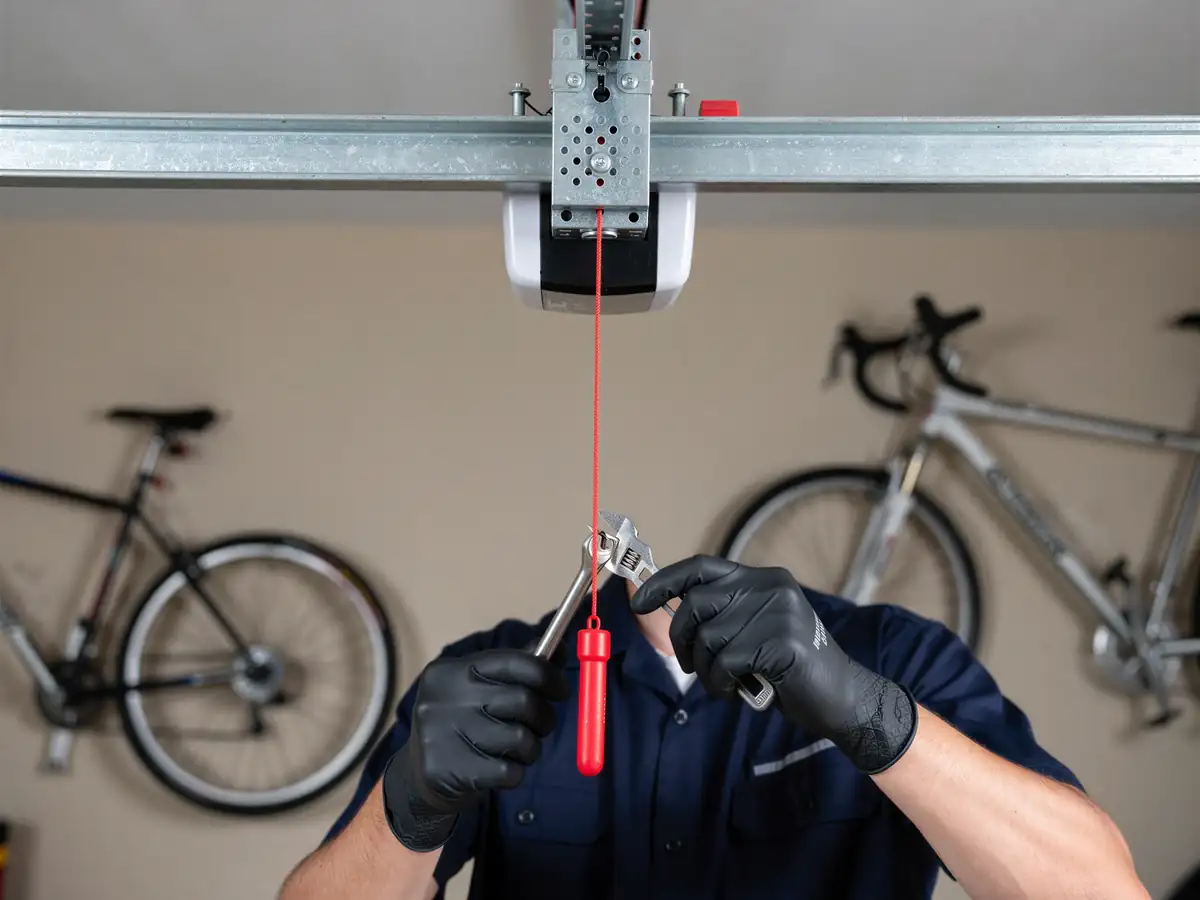
Which is typical wear for original hardware that's never been replaced. If the opener runs - you can hear the motor - but the door doesn't move at all, check the emergency release cord first; it may have been pulled accidentally. If it's not that, the drive gear inside the opener has likely stripped, which is common in units original to houses from the 1980s and 90s.
How it works
From “it’s stuck” to “it’s fixed”
A quick, honest process - no guesswork and no surprises, start to finish.
Straight answers about garage door repair in Centreville. Still unsure? Ask us directly.
Why did my garage door spring break in cold weather?
Steel springs lose some flexibility as temperatures drop, and a spring that's already near the end of its cycle life is more likely to snap in sustained cold than during warmer months. If your home was built decades ago, the original spring has likely logged tens of thousands of cycles already, so cold weather is often the final push, not the root cause.
Should I repair or replace an opener from the 1980s or 90s?
It depends on what's failed. A stripped drive gear or worn capacitor is usually a straightforward repair. But if the motor itself is failing or parts for that model are getting hard to source, replacement can cost less over time than repeated repairs. We'll tell you which situation you're in before starting work.
Do you give a price over the phone?
Not a fixed one, since spring weight, drive type, and the age of your hardware all affect the parts needed. We'll tell you what we're replacing and why once we've looked at the door, before any work starts.