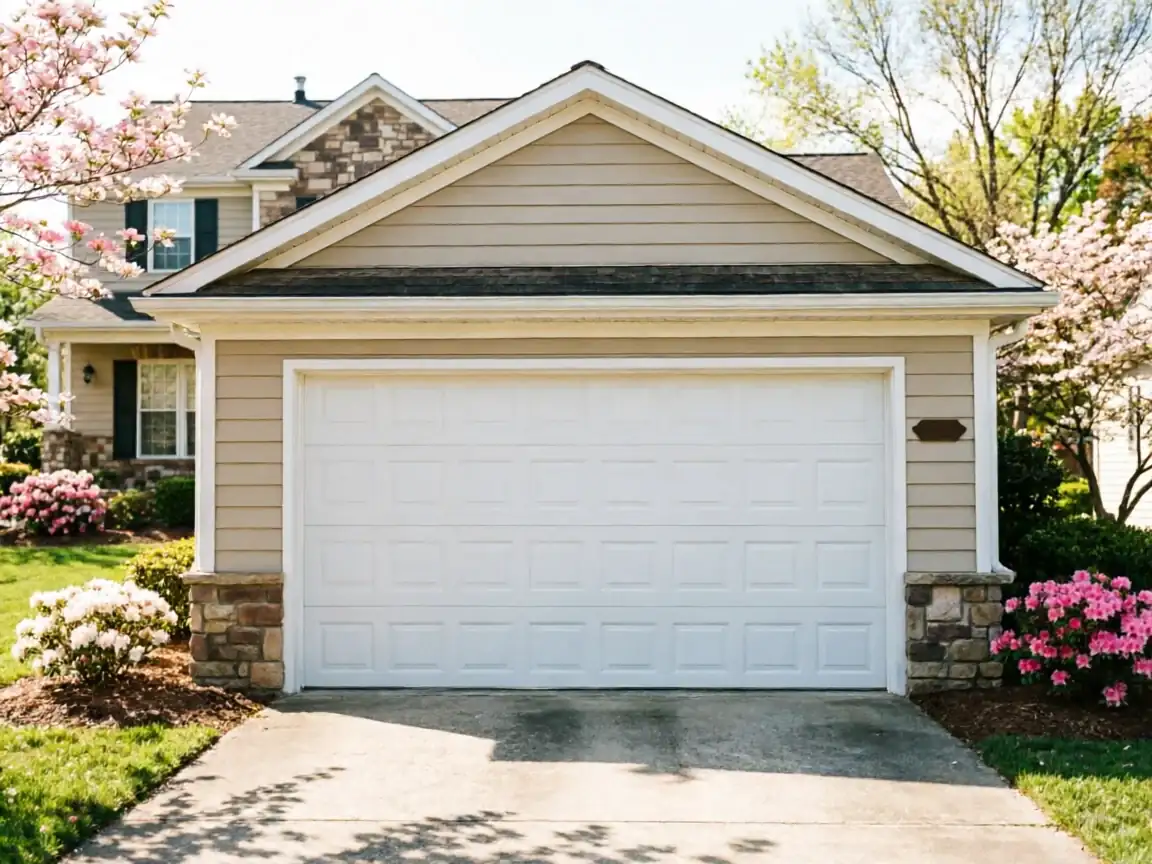
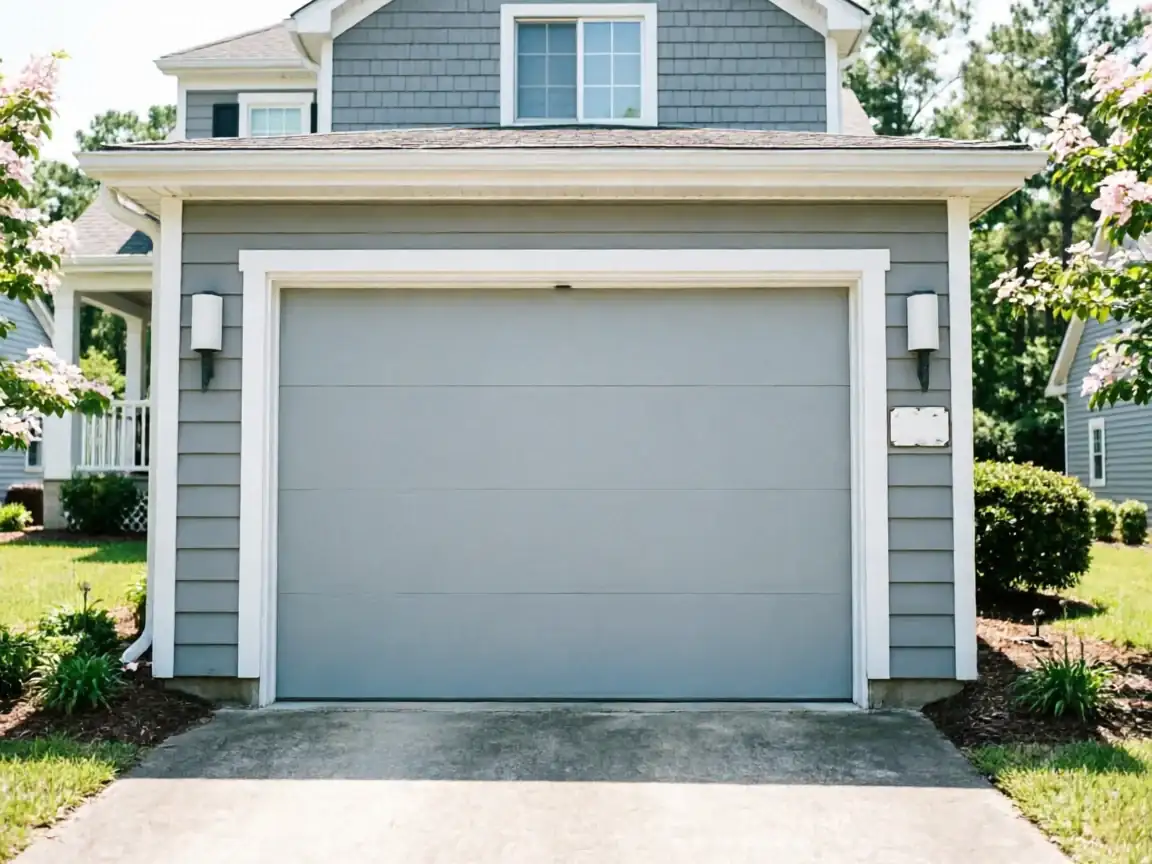
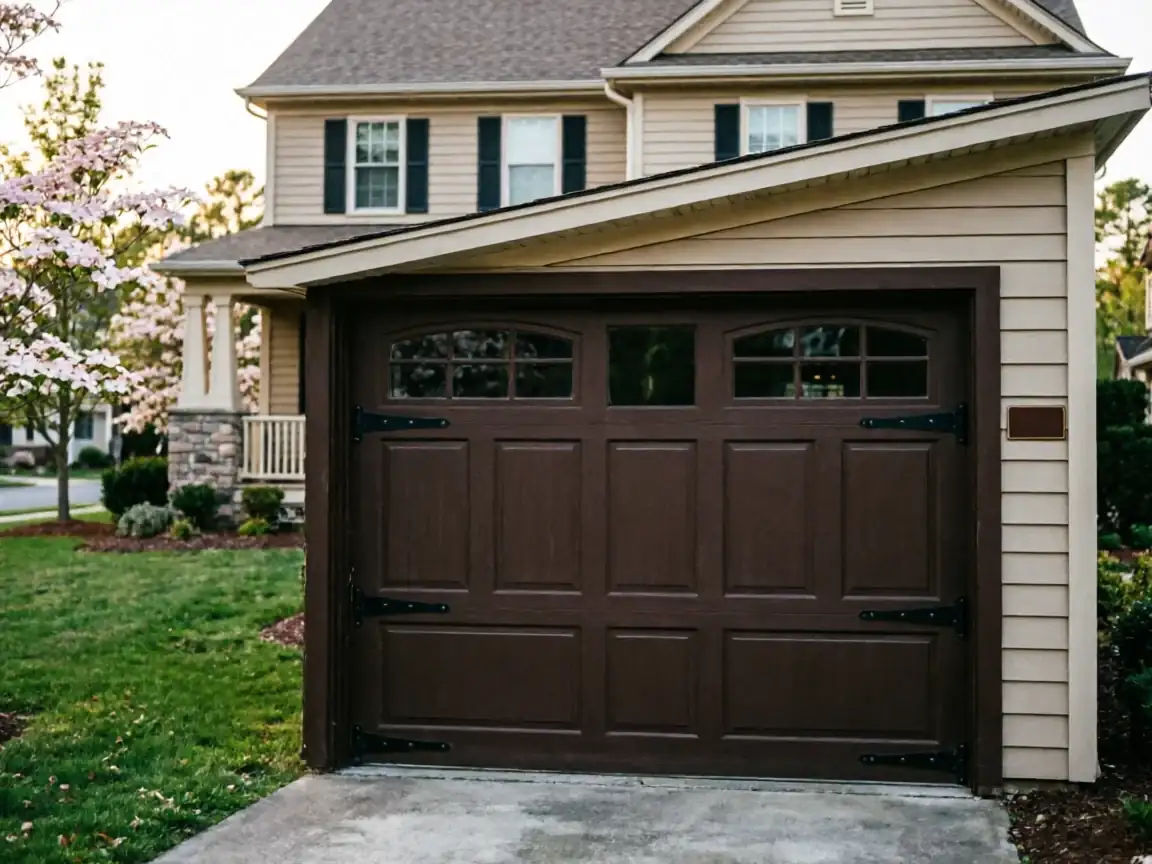
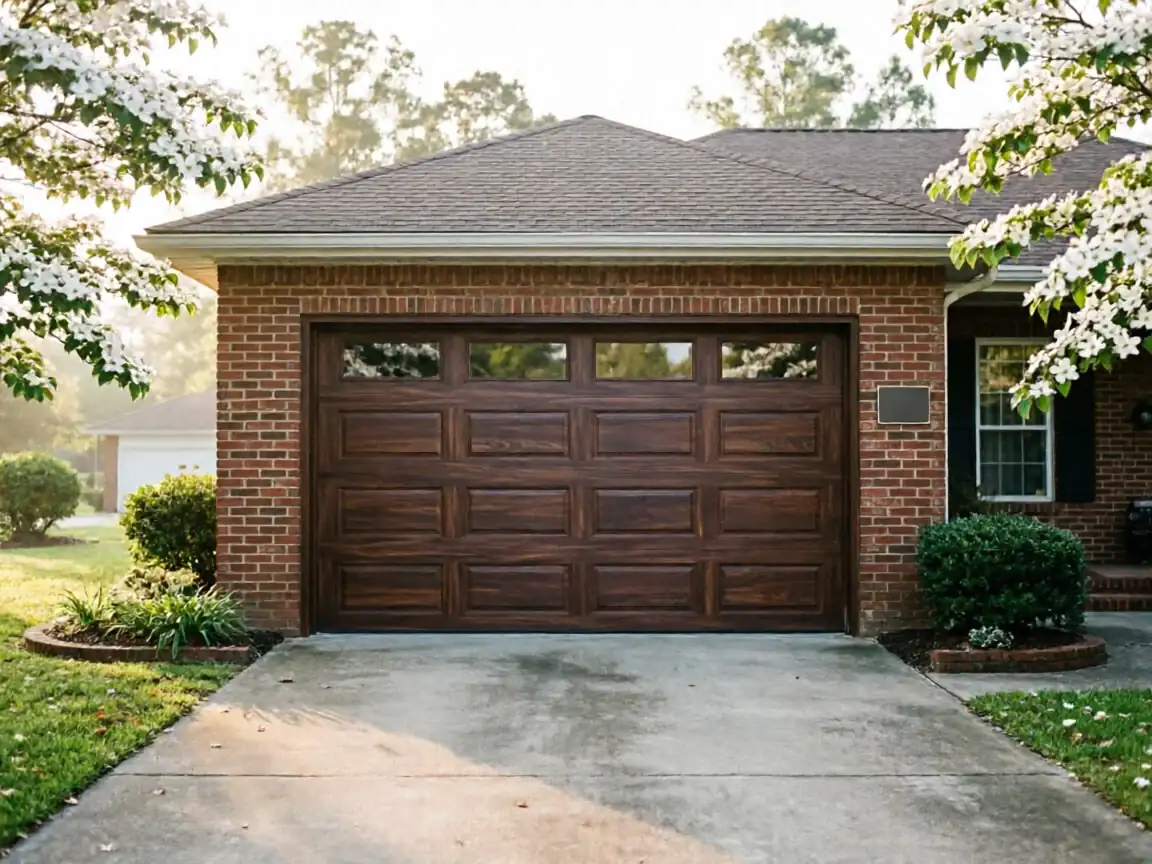
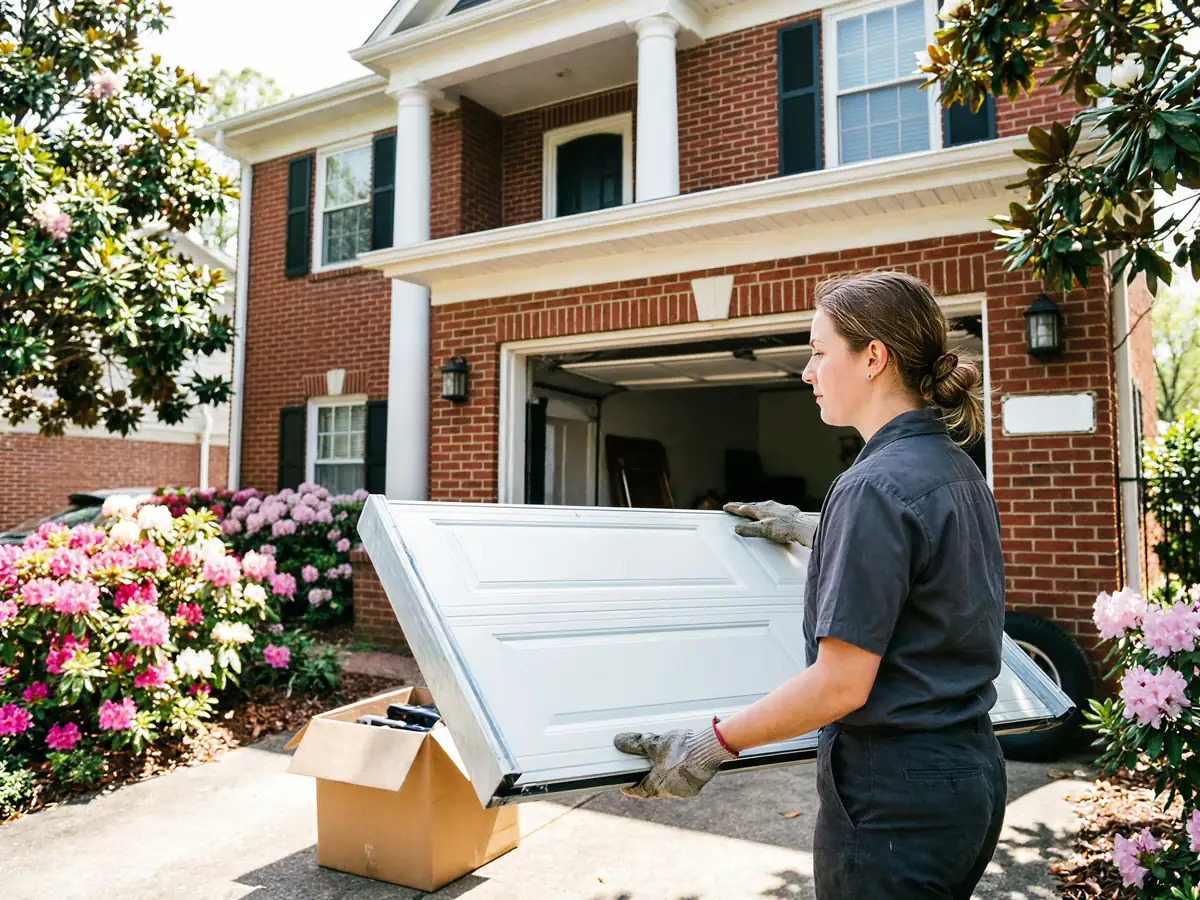
Garage door repair for South Riding's 2006-era homes: factory-tension torsion springs, insulated steel panels, and opener boards. Serviced from Centreville, 6 miles out.
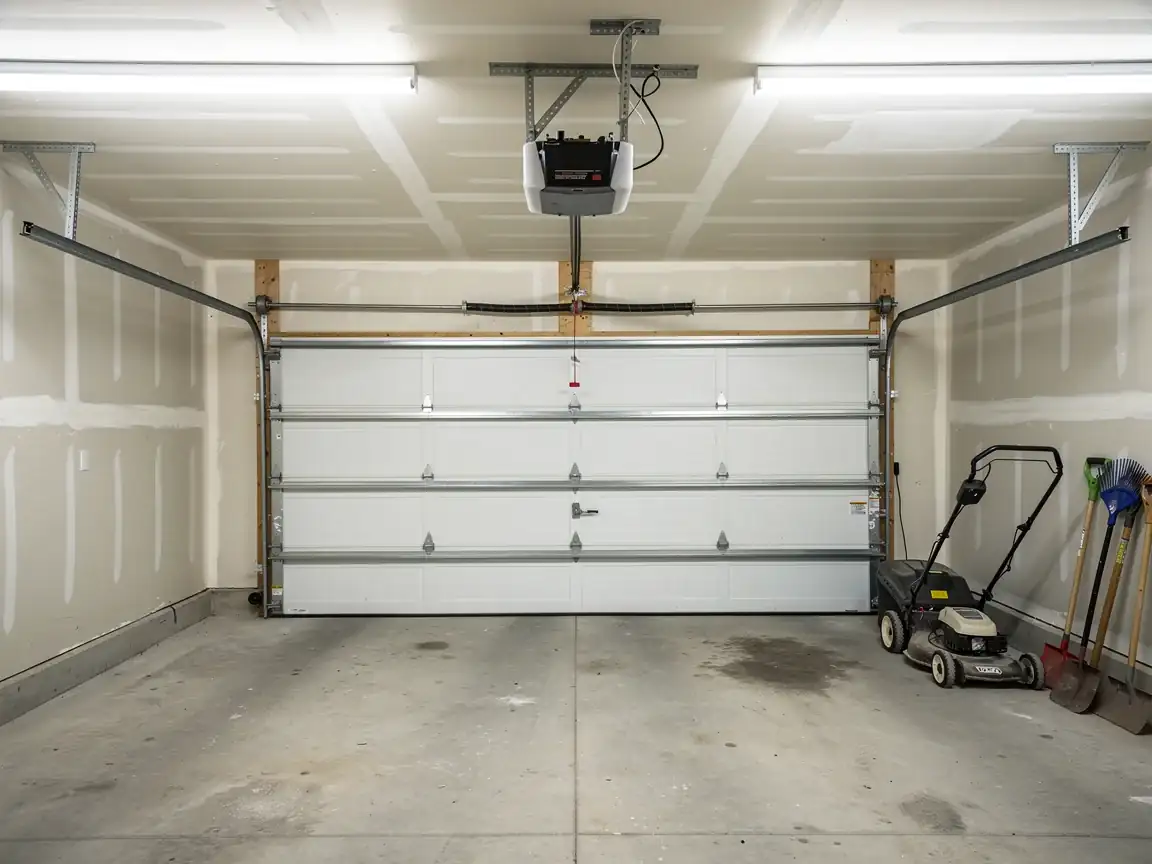
Which puts them two and a half decades newer than the median across the rest of the service area we cover out of Centreville. That gap matters more than it sounds. Homes built in this stretch came with factory-installed torsion systems sized tight for insulated steel sections, not the looser extension-spring setups you find on older one-car doors. The springs are wound to a narrower tolerance, the drums are usually aluminum rather than steel, and the openers are almost always chain or belt drive with a circuit board instead of a simple relay.
02
We carry torsion springs in the wind and wire gauges that match this generation of door
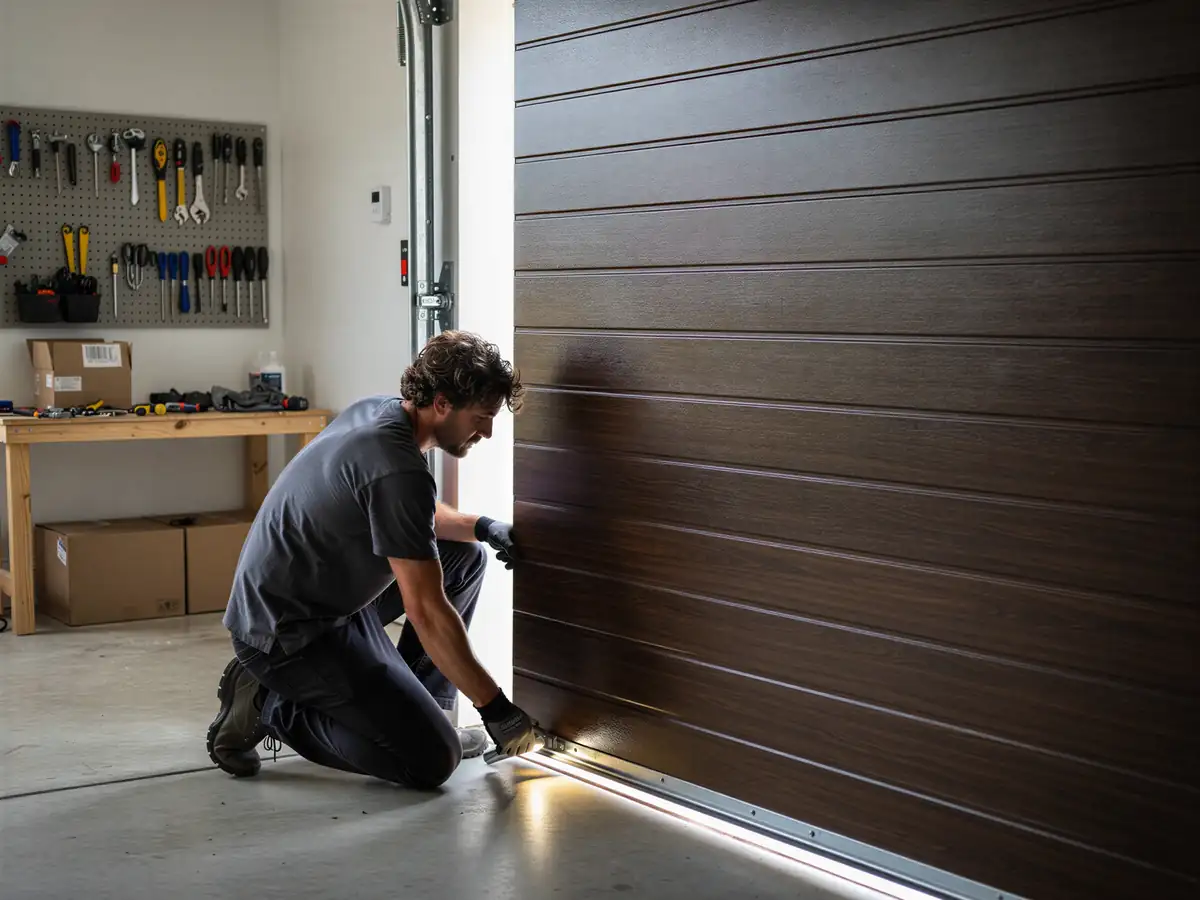
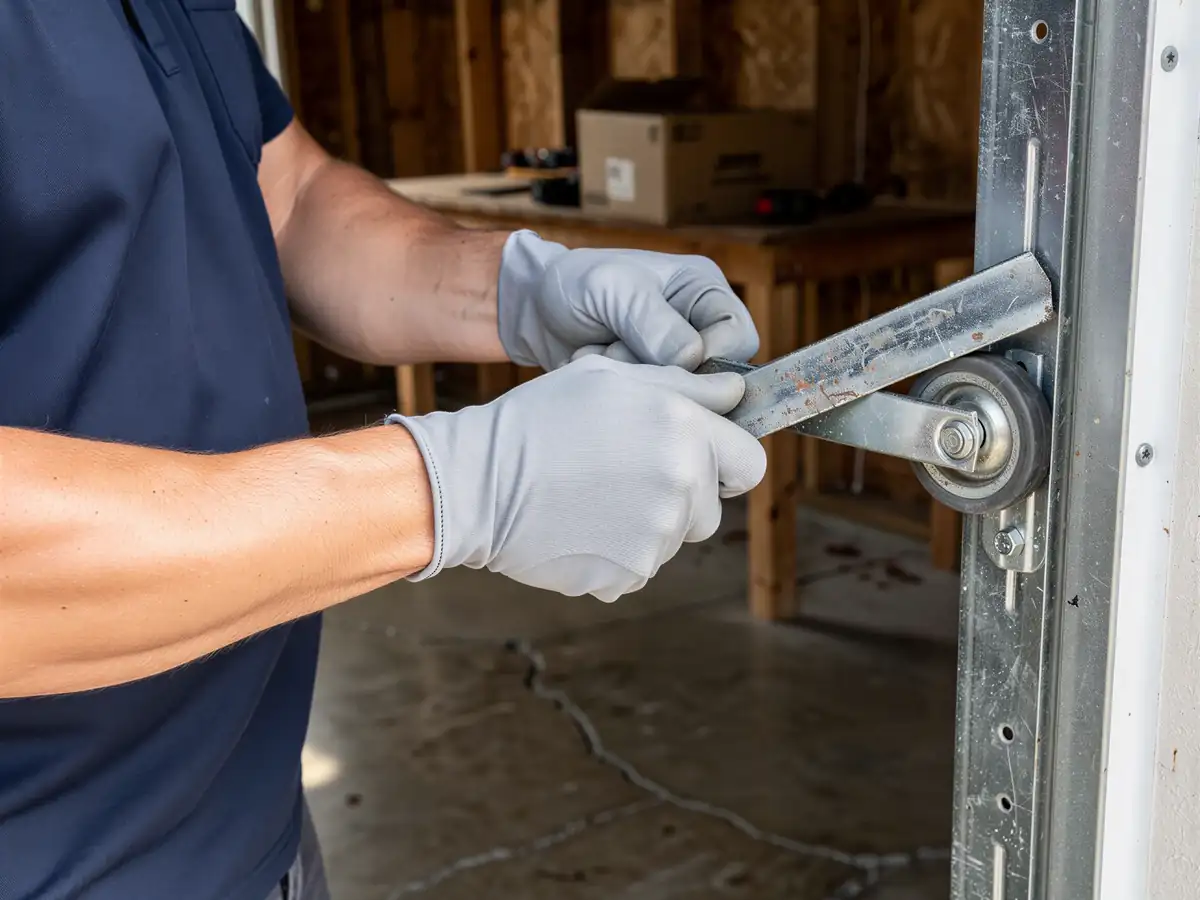
Along with the nylon rollers and steel tracks sized for insulated panels rather than the thin single-layer steel common on older stock. What we don't stock on the truck is anything proprietary to a specific builder's opener brand from that era - those boards sometimes need to be ordered, and we'll tell you up front if that's the case rather than make you wait at the curb while we guess.
What the Fix Involves
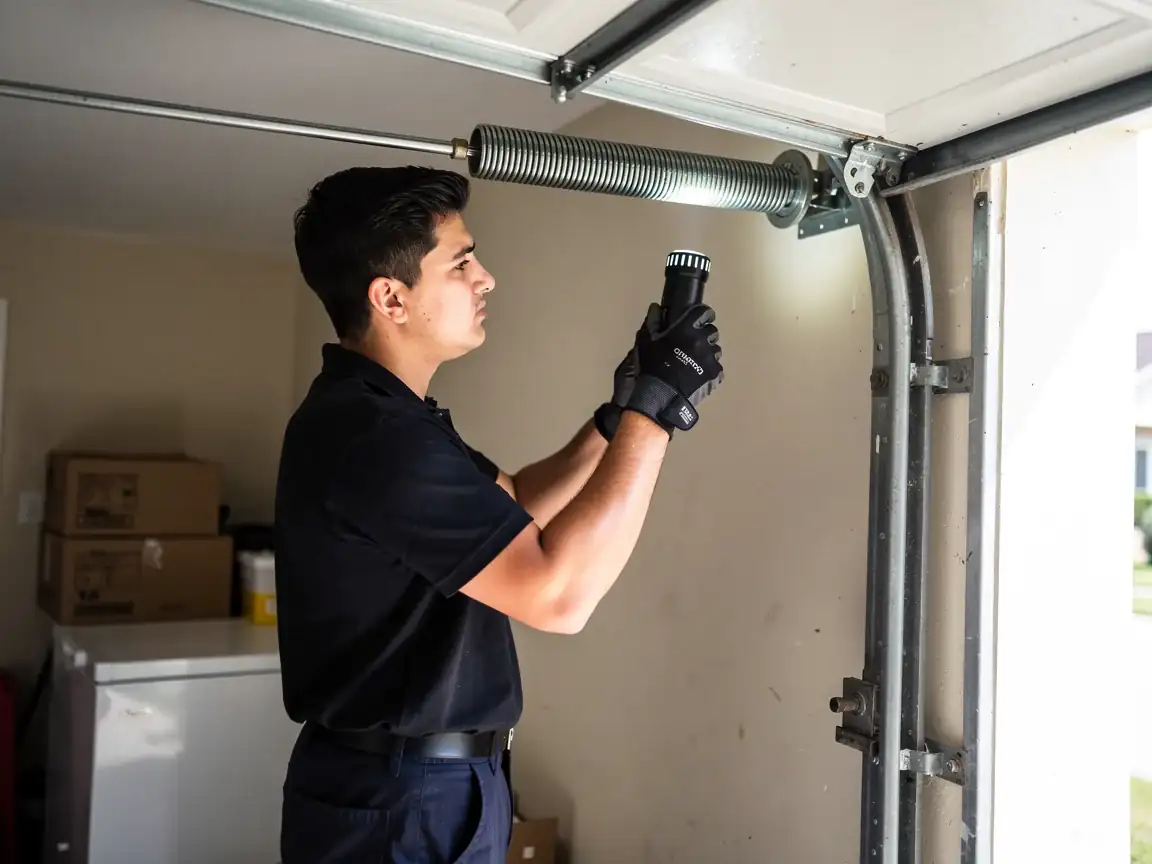
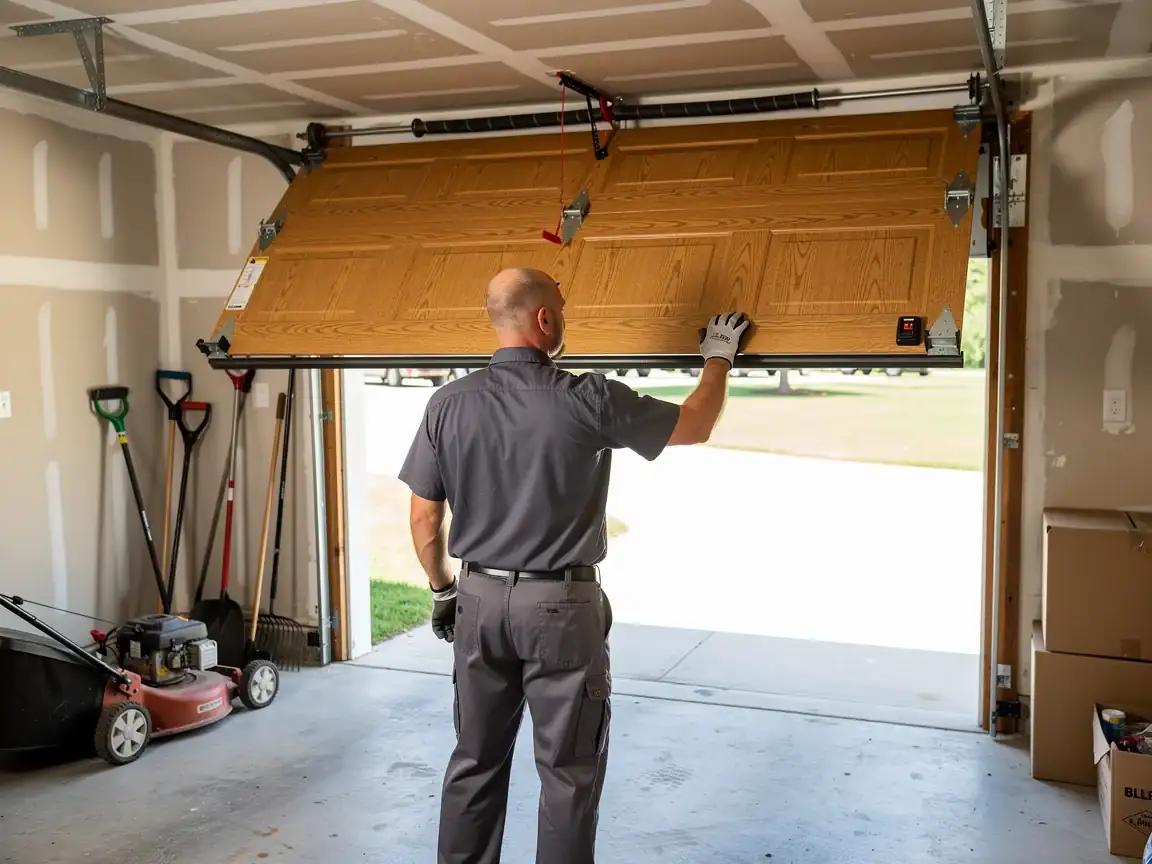
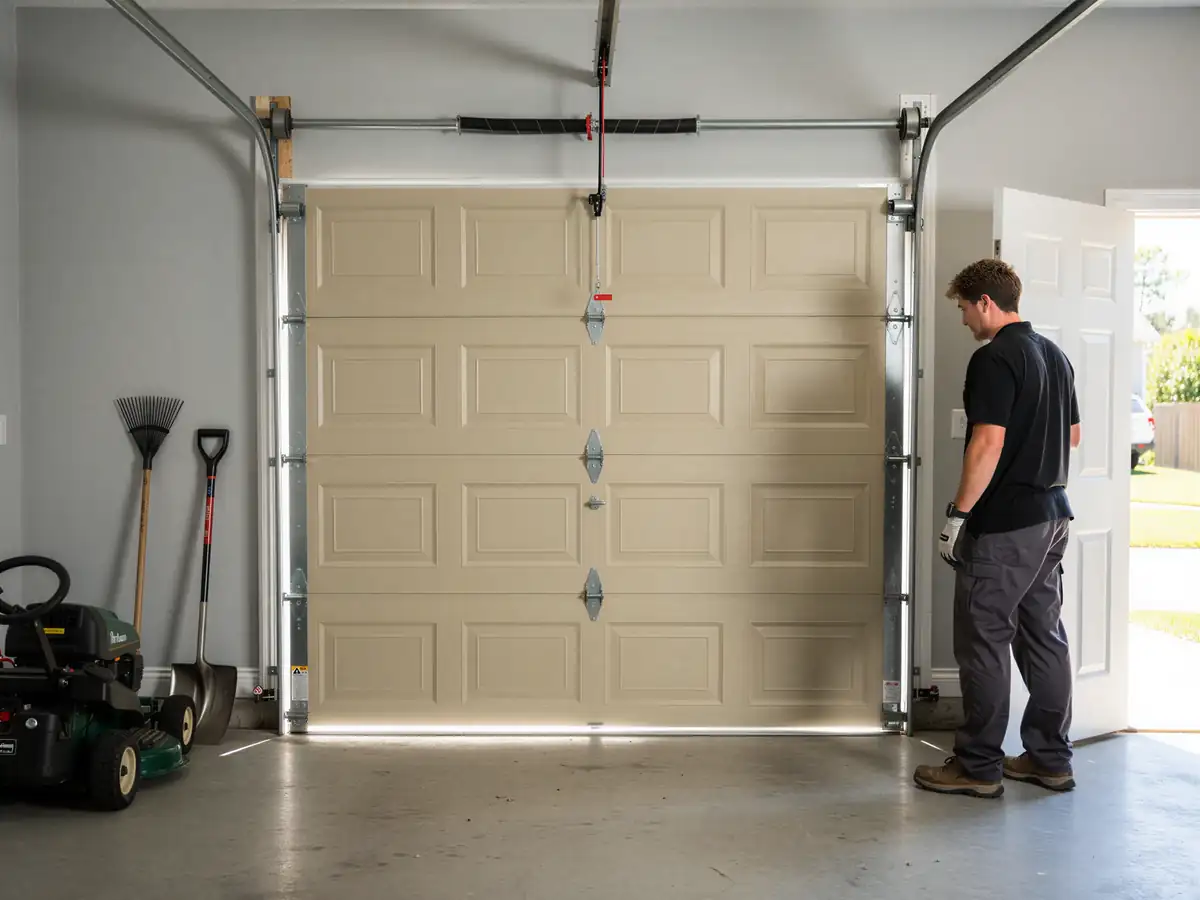
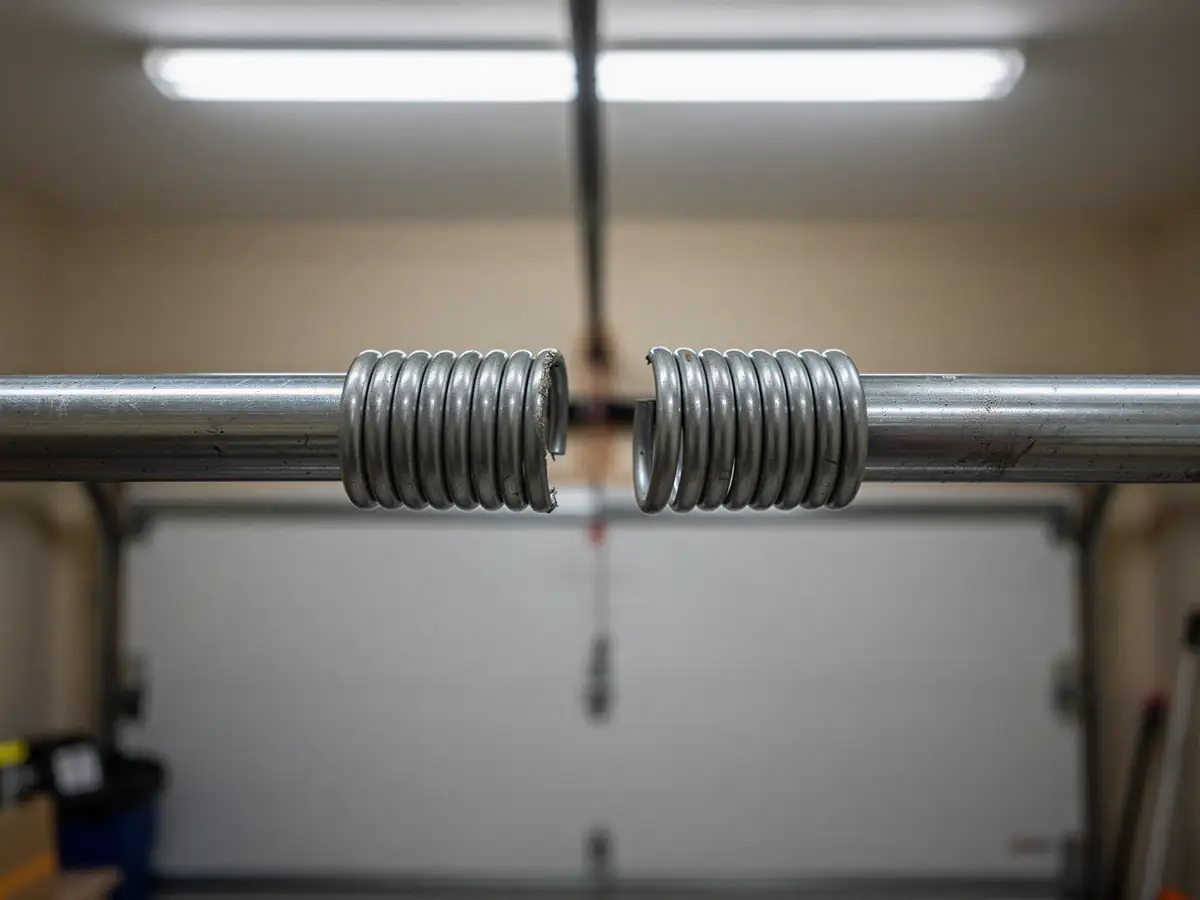
A spring job on a 2006-era door in South Riding starts with confirming the wind direction and wire diameter stamped or measured off the broken coil, because factory tension on these doors was set for the specific panel weight of insulated steel, and guessing low means the opener strains and burns out early. We pull the old spring, measure the drum and cable for wear, and set tension to match the door's actual weight rather than a generic number.
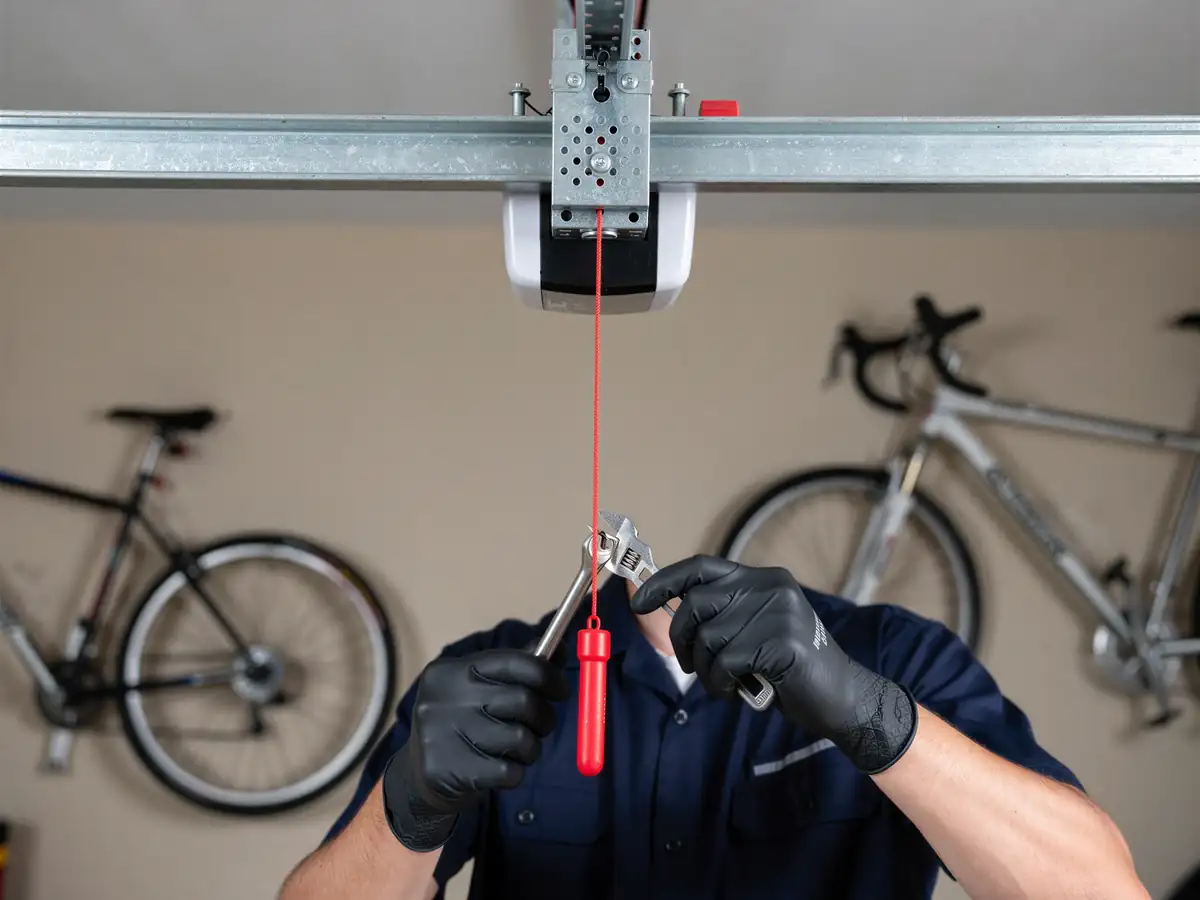
On the opener side, a lot of the service calls out this way involve the circuit board or the safety sensors rather than the motor itself - these are newer doors, so the mechanical parts have less wear on them, but the electronics from that first wave of digital openers are starting to show their age. We test the board, the sensor alignment, and the wall control before replacing anything, since a $40 sensor fix beats a $300 board swap when the sensor is the actual problem.
The DIY Question
A torsion spring holds enough stored force to break a jaw or a finger, and that doesn't change because the door is newer. If you're comfortable swapping rollers, tightening a loose track bracket, or replacing a worn weatherstrip, those are reasonable owner jobs on a door this age. Winding or unwinding a torsion spring is not - the tools for it aren't something most garages have, and the margin for error is the same whether the door is from 1985 or 2006.
What we'd add for houses in this area specifically: because the opener electronics here tend to be the first thing to go rather than the springs, it's worth checking the sensor alignment and the wall button wiring before assuming you need a service call at all. A sensor knocked out of alignment by a bumped broom or a stored bike looks exactly like a dead opener from the inside of the garage, and it costs nothing to check.
What Can Go Wrong
01
The climate here runs cold and severe through the winter months
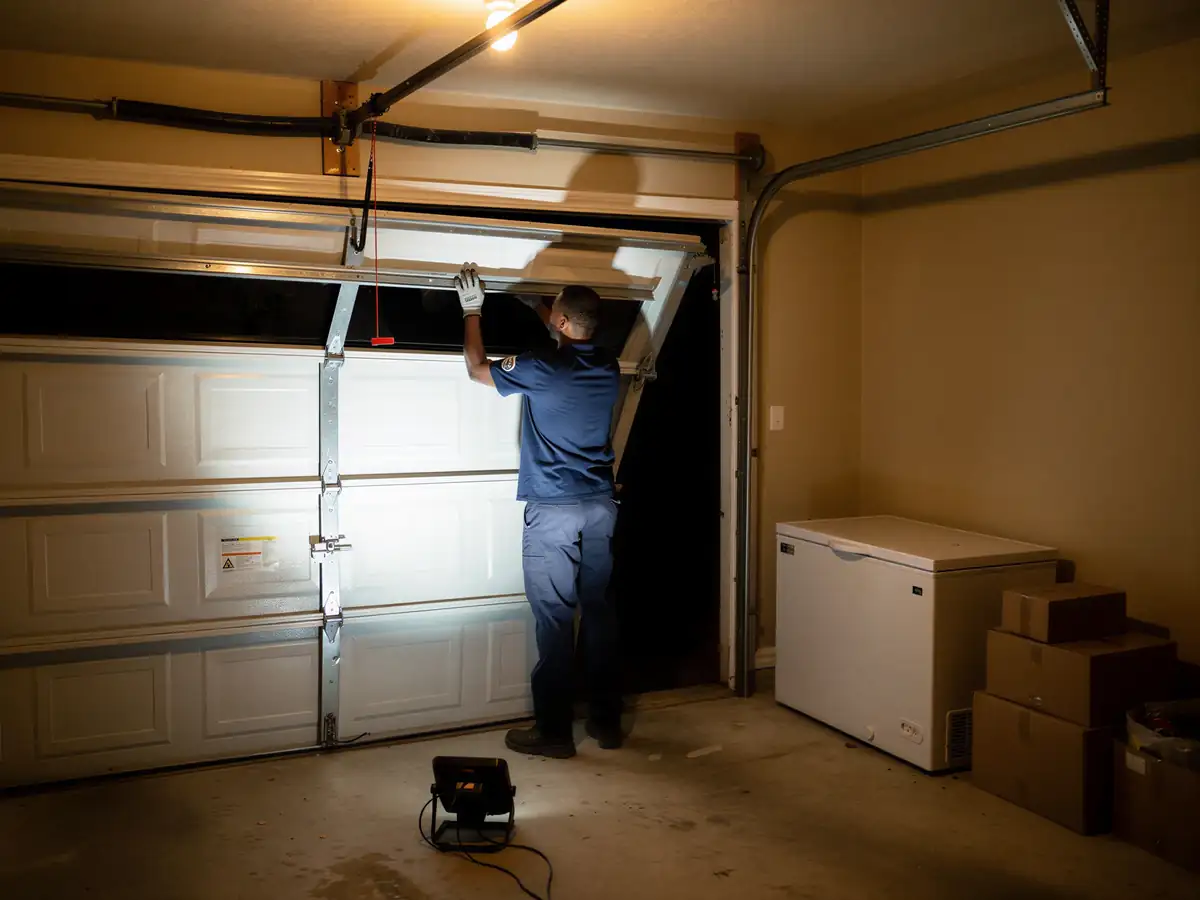
And that affects a 2006 door differently than it affects an older one. Insulated steel panels seal tighter, which is good for the garage's temperature but means condensation can collect inside the track channel where the rollers ride, and that moisture finds the one weak spot in a newer system: the circuit board's connector housing. A board that gets damp intermittently can throw error codes that look like a motor problem but aren't.
02
The other failure we see on doors this age is cable fraying at the bottom bracket
Usually from a drum that was never quite seated right at installation. It doesn't show up for years, then the cable lets go on one side and the door racks sideways in the track. We check both drums and the cable seating as a matter of course on any South Riding call, not just when a spring has already broken.
How Long You Are Without the Door
We run calls into South Riding from Centreville, about 6 miles out, and we don't operate a depot or branch in South Riding itself - the truck comes from here. Most spring and opener-board jobs on a door this age finish in one visit once we've confirmed the part on hand matches what the door needs. Where it stretches is a proprietary opener board that has to be special-ordered rather than pulled off the truck; we'll tell you at diagnosis if that's the situation rather than string it out.
If you want the general rundown of everything we handle out of Centreville, that lives on our main repair page. For other towns nearby we work in, see areas near South Riding.
How it works
From “it’s stuck” to “it’s fixed”
A quick, honest process - no guesswork and no surprises, start to finish.
Straight answers about garage door repair in Centreville. Still unsure? Ask us directly.
Why does my garage door opener act up more than the springs on a newer house like mine?
Houses in South Riding mostly date to around 2006, so the mechanical parts - springs, rollers, cables - haven't had decades to wear. The circuit boards in that first generation of digital openers are the part now showing age, especially if moisture gets into the sensor or board housing during a cold, damp winter.
Do you have a branch in South Riding?
No. We run jobs into South Riding from Centreville, about 6 miles away. There's no separate depot here, just the truck coming from our Centreville base.
Is it worth replacing the whole door instead of fixing the opener board?
Usually not on a door this age. If the panels and track are from 2006 and still insulated and straight, swapping a board or sensor is far cheaper than replacing the door, and the mechanical parts still have plenty of life left in them.
How do I know if it's a sensor problem or a dead opener?
A sensor knocked out of alignment produces the same symptom as a dead board - the door won't close, or reverses immediately. Check that both sensor eyes line up and aren't blocked before assuming the opener itself has failed; it costs nothing and fixes a surprising number of calls.