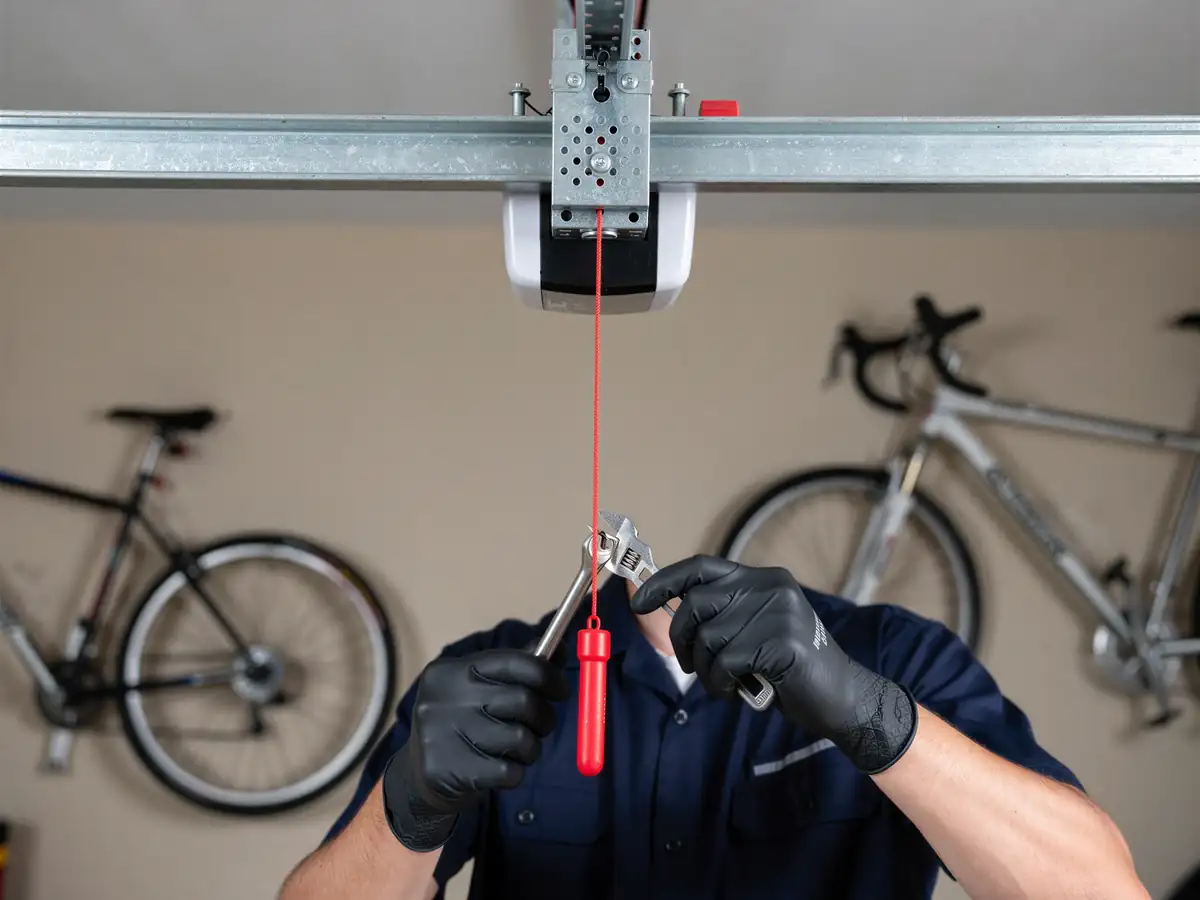
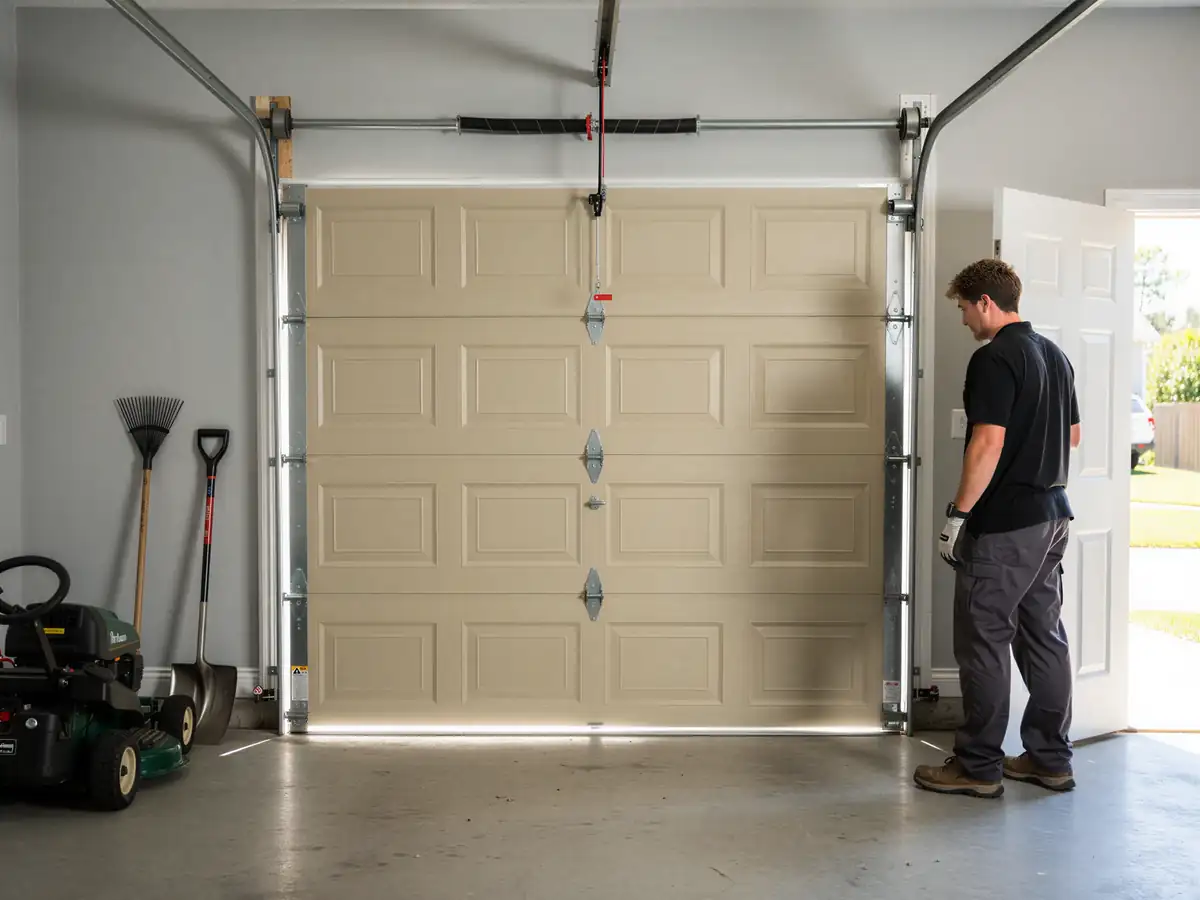
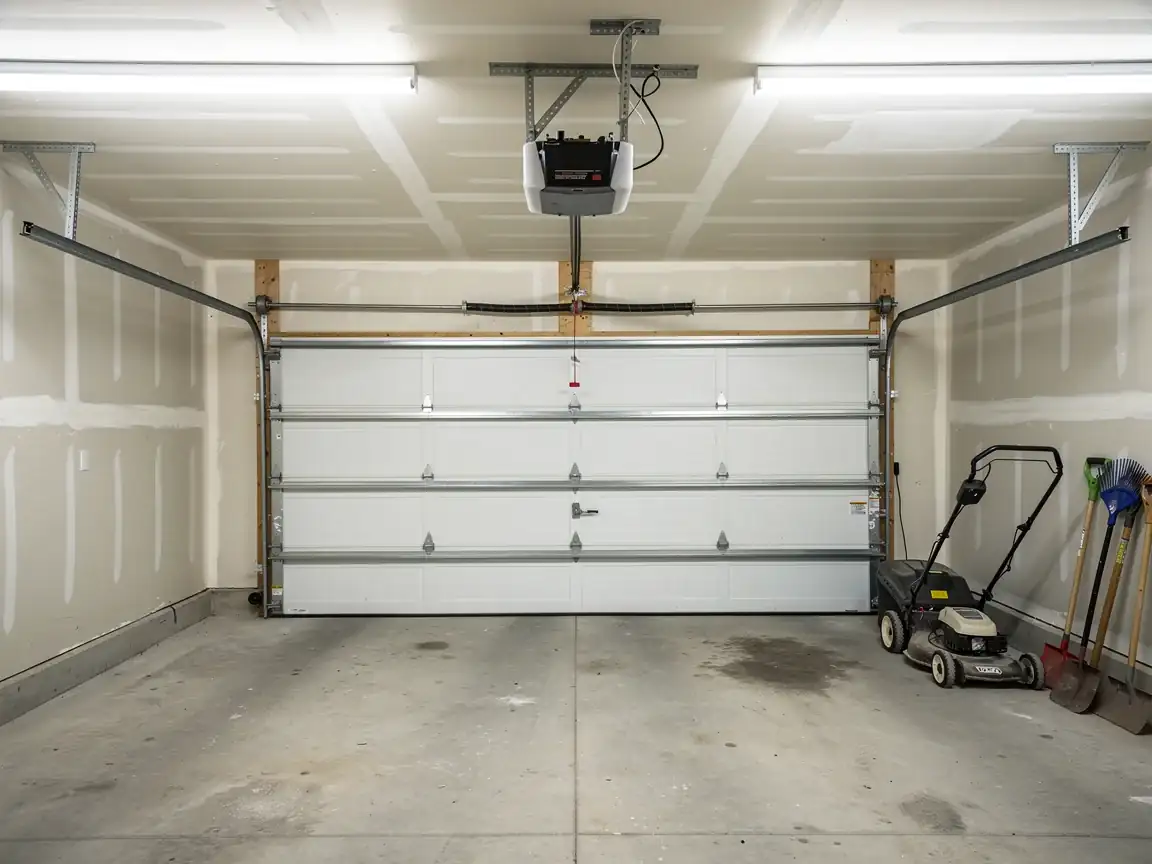
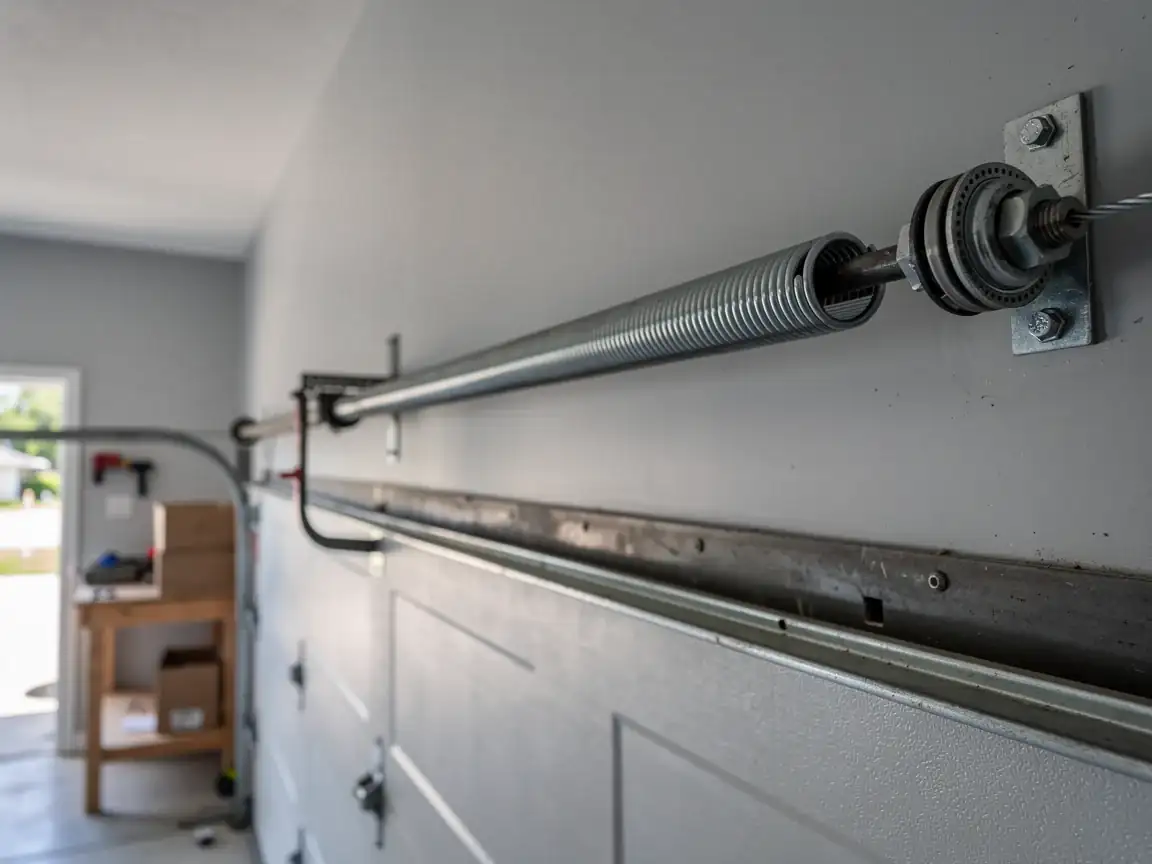
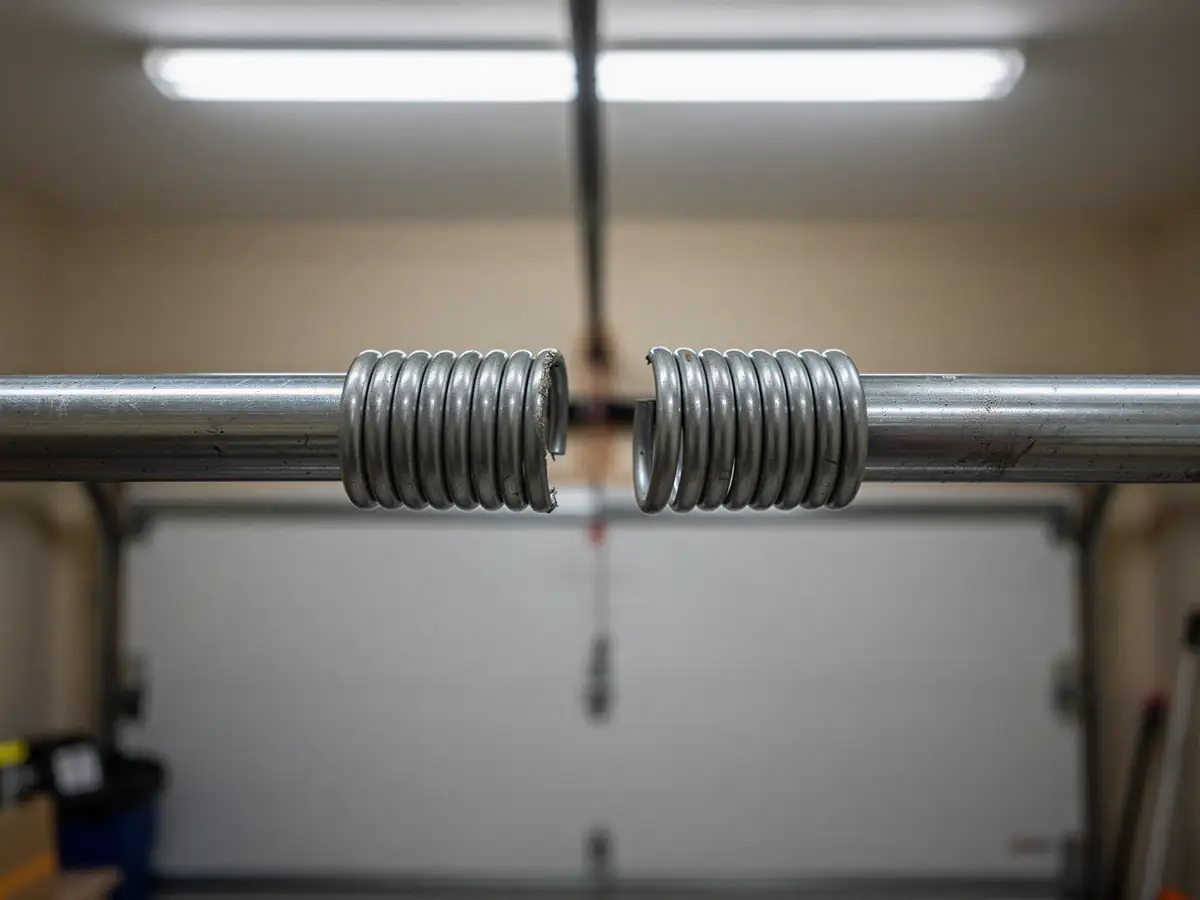
Opener repair for Centreville homes built 1940-2015, where cold winters strain drive gears and aging circuit boards. Same service area as Bull Run and Yorkshire.
A dead or stuttering opener almost always comes down to one of four things
The logic board, the drive gear, the limit switches, or the sensor wiring at the bottom of the track. We start by watching the unit run through a full cycle, because a motor that hums but doesn't move the carriage tells a different story than one that trips the breaker outright.
02
On chain and belt drives from the 1980s and 90s
Common on houses in this part of the county, where median construction dates to 1981 - the stripped nylon drive gear is the single most common failure we open up. It's a cheap part, but it's buried inside the motor housing, so the labor is most of the bill.
03
Newer openers with circuit boards fail differently
A board that's taken repeated cold-start current spikes over a few winters will sometimes just stop talking to the wall button or the remote, even though the motor itself is fine. We test the board separately from the motor before replacing either one, because swapping a whole unit when the fix is a $20 part is a waste of a service call.
04
We don't rebuild every opener
If the motor housing is cracked or the unit predates safety-reversal sensors, we'll tell you straight that replacement is the better spend, not a repair that buys you another six months.
How to Book
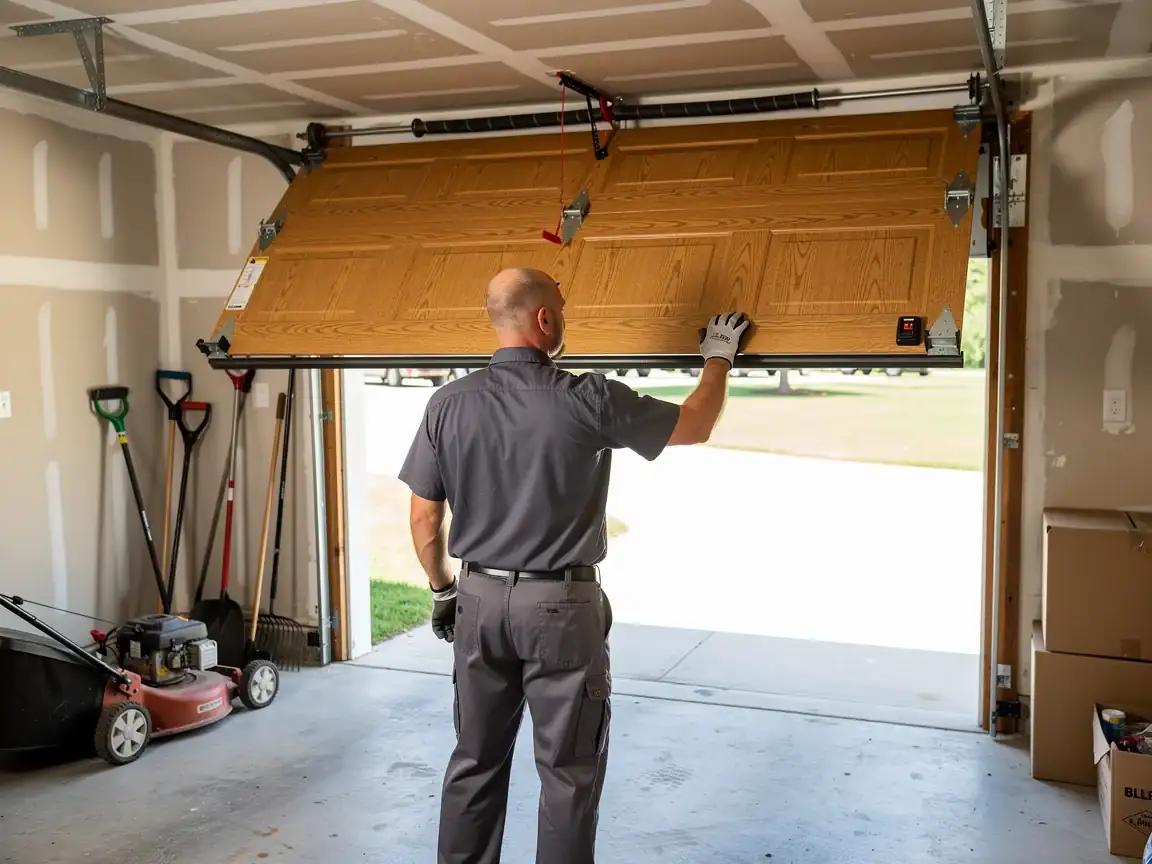
Call or use the contact link on our site and describe what the opener is doing - whether it hums without moving the door, runs but won't respond to the remote, or trips the wall switch. That detail helps us bring the right parts on the first visit instead of a second truck trip.
We work across the wider service area, not just the center of town, so if you're closer to Bull Run, Yorkshire, Clifton, or Sudley, say so when you book - it doesn't change how we diagnose the opener, just how we route the day.
Have the opener's brand and, if you can find it, the model number on the motor housing ready when you call. It saves a few minutes on-site and tells us right away whether the logic board is still being made or whether we're looking at a full-unit swap.
Why It Happens Here
This area sits in a cold-climate band with severe winter conditions, and that matters more for openers than most homeowners expect. Cold doesn't just stiffen the door's springs - it changes the load the motor sees on start-up. A gear or belt that would have another year of life in a mild climate wears out faster here because every sub-freezing morning adds a hard-start cycle the motor has to push through.
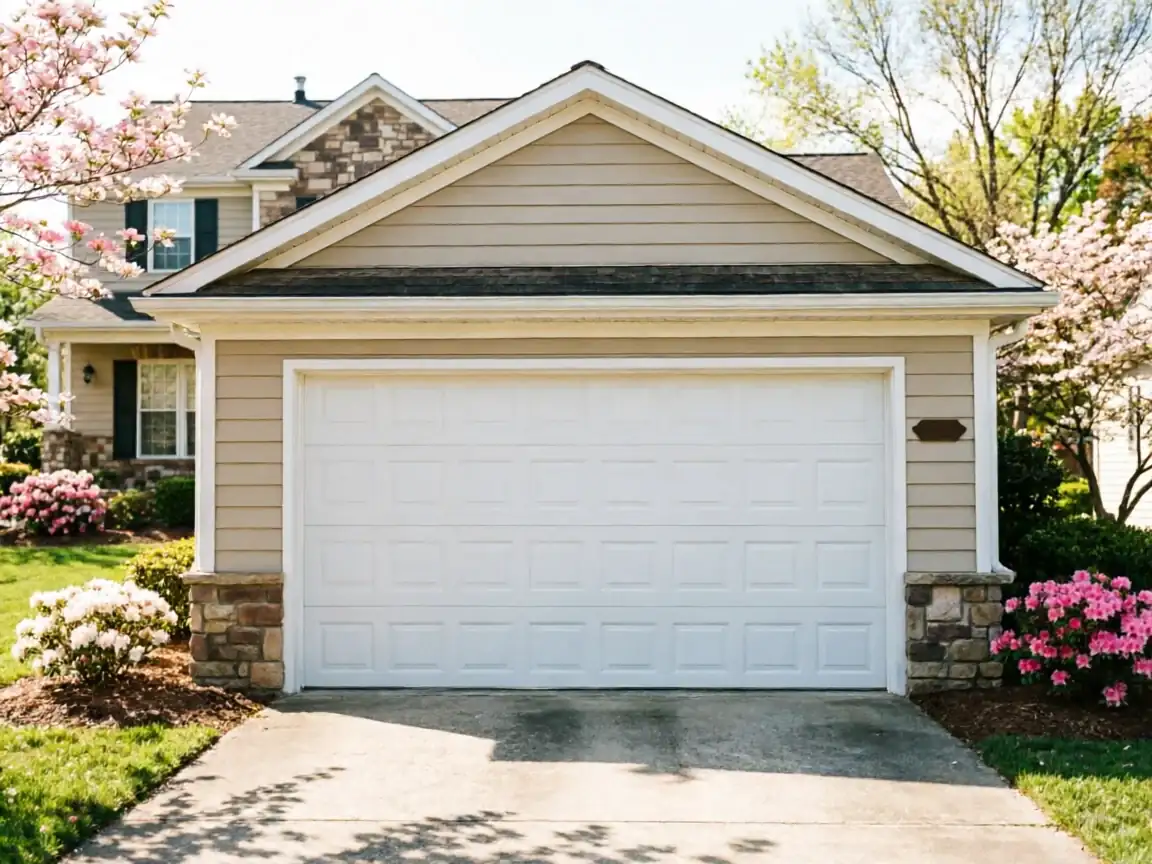
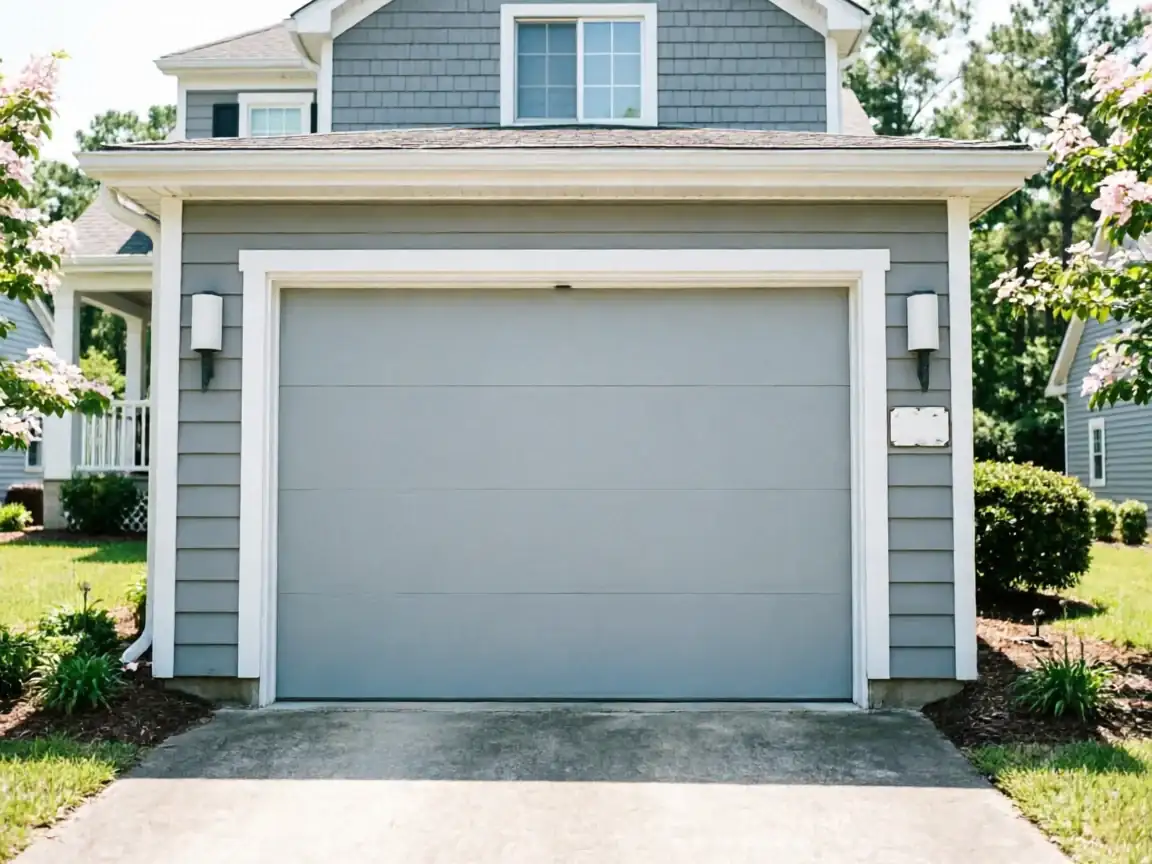
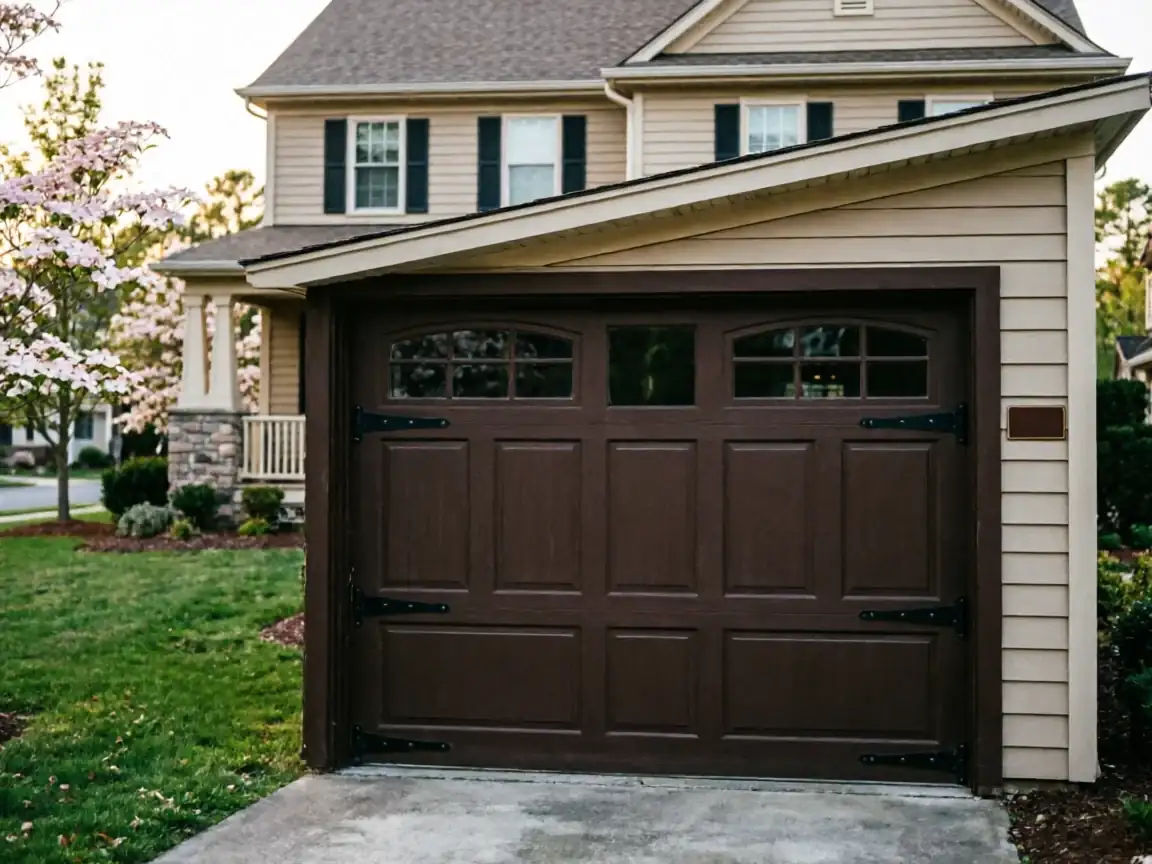
Housing stock plays into it too. With most homes in the broader service area built between 1940 and 2015 and a cluster from the 1980s and 90s, a lot of the openers out there now are either original builder-grade units well past their expected service life, or first-generation replacements installed in the 2000s that are starting to show the same wear pattern. Those units weren't built with the sensor and board redundancy that current code requires, so when one part fails, it tends to take the whole unit down with it rather than failing gracefully.
We see this pattern repeat across the service area - not unique to one street or subdivision, but tied to when the houses went up and how hard the winters lean on aging gear.
What You Are Seeing
01
If the door doesn't move but the motor makes noise
That's almost always the drive gear or belt, not the motor itself. If the opener is dead silent - no light, no hum - check the wall switch and the breaker before you call anyone, because that's sometimes all it is.
02
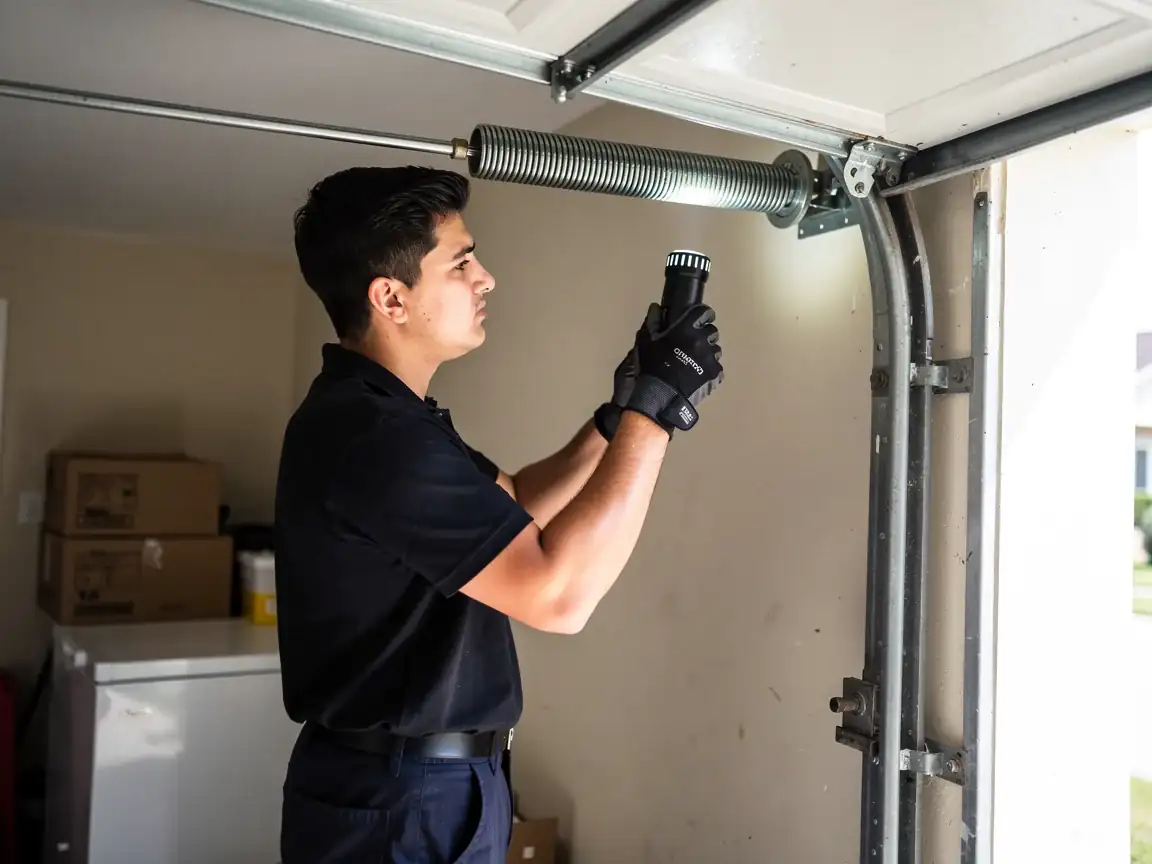
A door that opens fine but won't close, or reverses partway, points at the safety sensors near the floor on each side of the track
Cold mornings can frost those lenses just enough to cause a false reading, which looks like a bigger problem than it is.
03
Flickering opener lights, a remote that works only up close
Or a wall button that needs several presses usually means the board is starting to fail, not the motor or the gear. That's worth a call before it strands the door mid-cycle.
How it works
From “it’s stuck” to “it’s fixed”
A quick, honest process - no guesswork and no surprises, start to finish.
Straight answers about garage door repair in Centreville. Still unsure? Ask us directly.
Why did my opener stop working the first cold week of the season?
Cold mornings put more load on the motor at start-up, and a drive gear or belt that was already worn often gives out right when the temperature drops hard. It's a common pattern in this climate band - the failure was building for months, the cold just finished it.
Is my opener too old to repair?
If it predates modern safety-reversal sensors or the motor housing is cracked, replacement usually makes more sense than repair. We'll tell you which situation you're in before we start work, not after.
Do you service areas outside the center of Centreville?
Yes, we cover the wider area including Bull Run, Yorkshire, Clifton, and Sudley. Local detail for each of those areas has its own page, but the opener repair itself works the same way everywhere we go.