Burke homes mostly went up around 1979, which means openers built for chain-drive hardware and manual force settings. We drive out from Centreville to fix them.
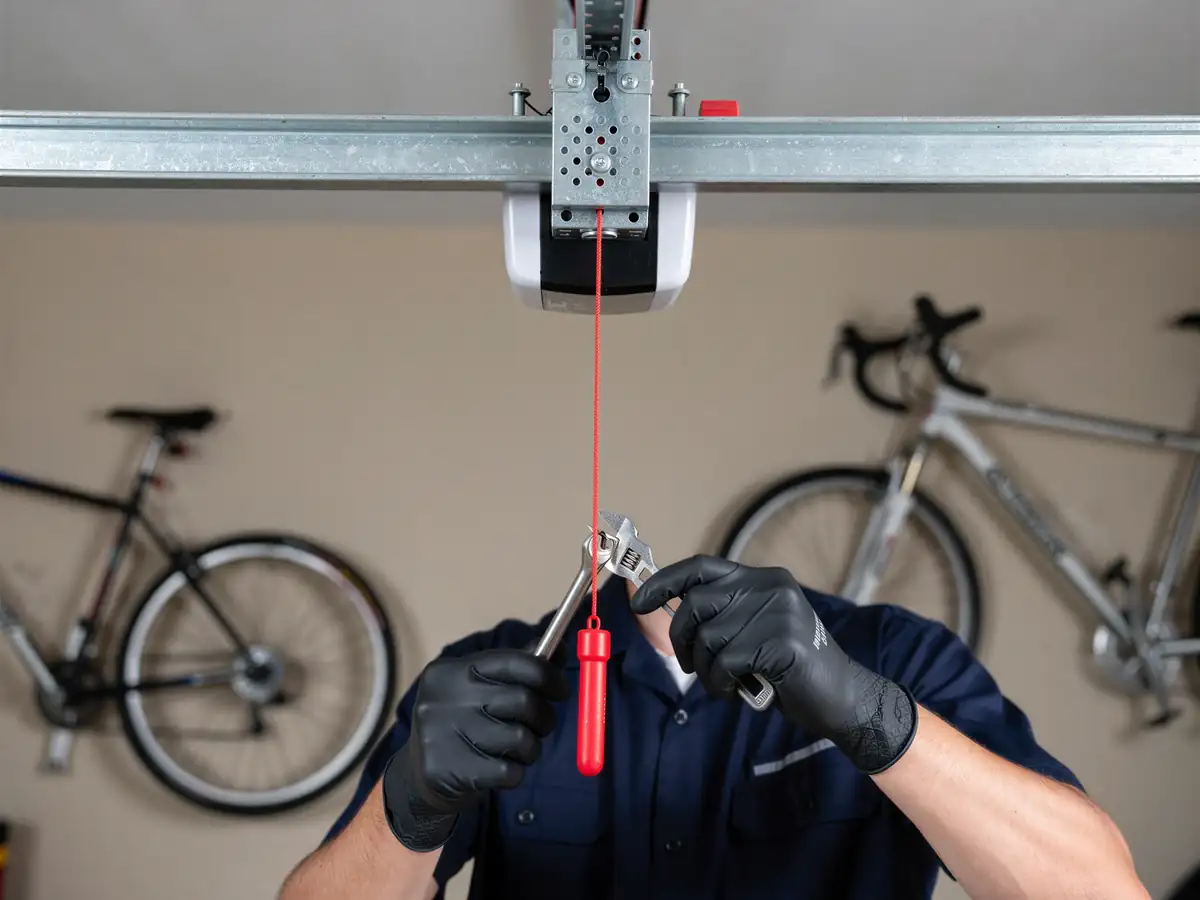
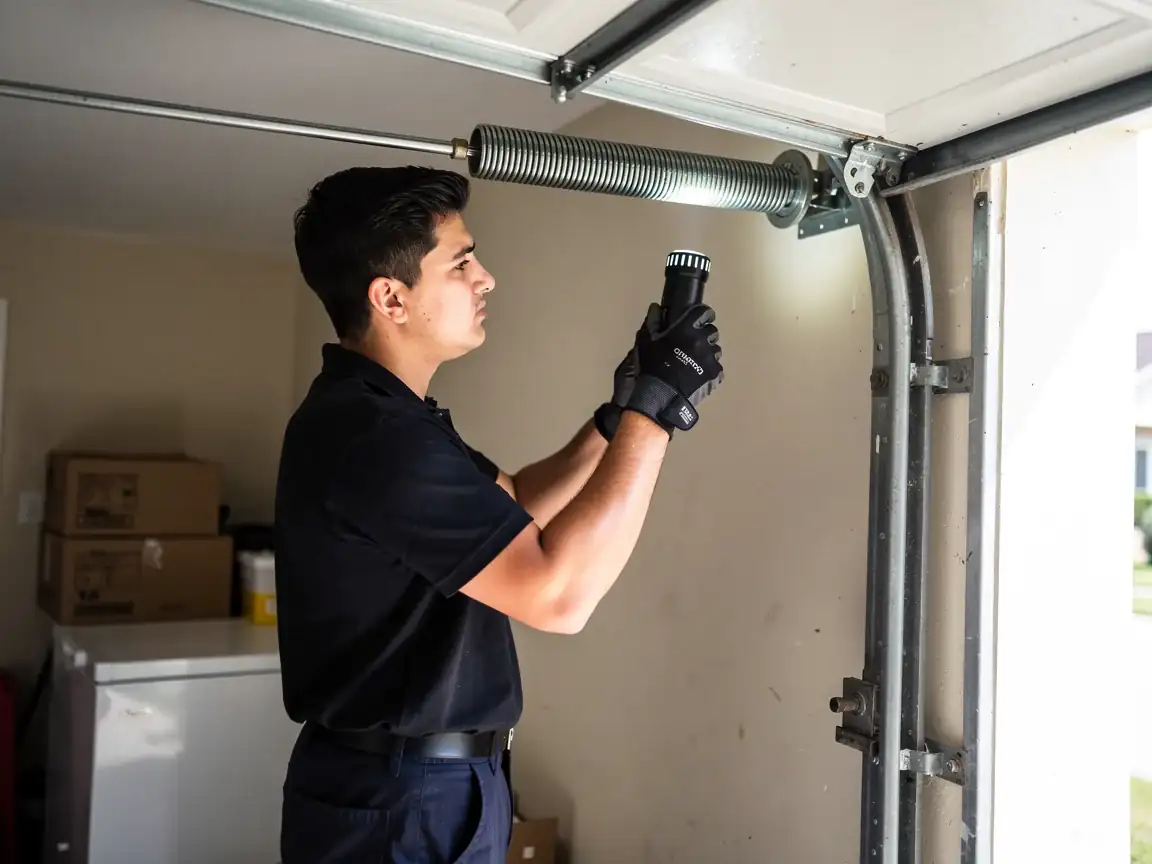
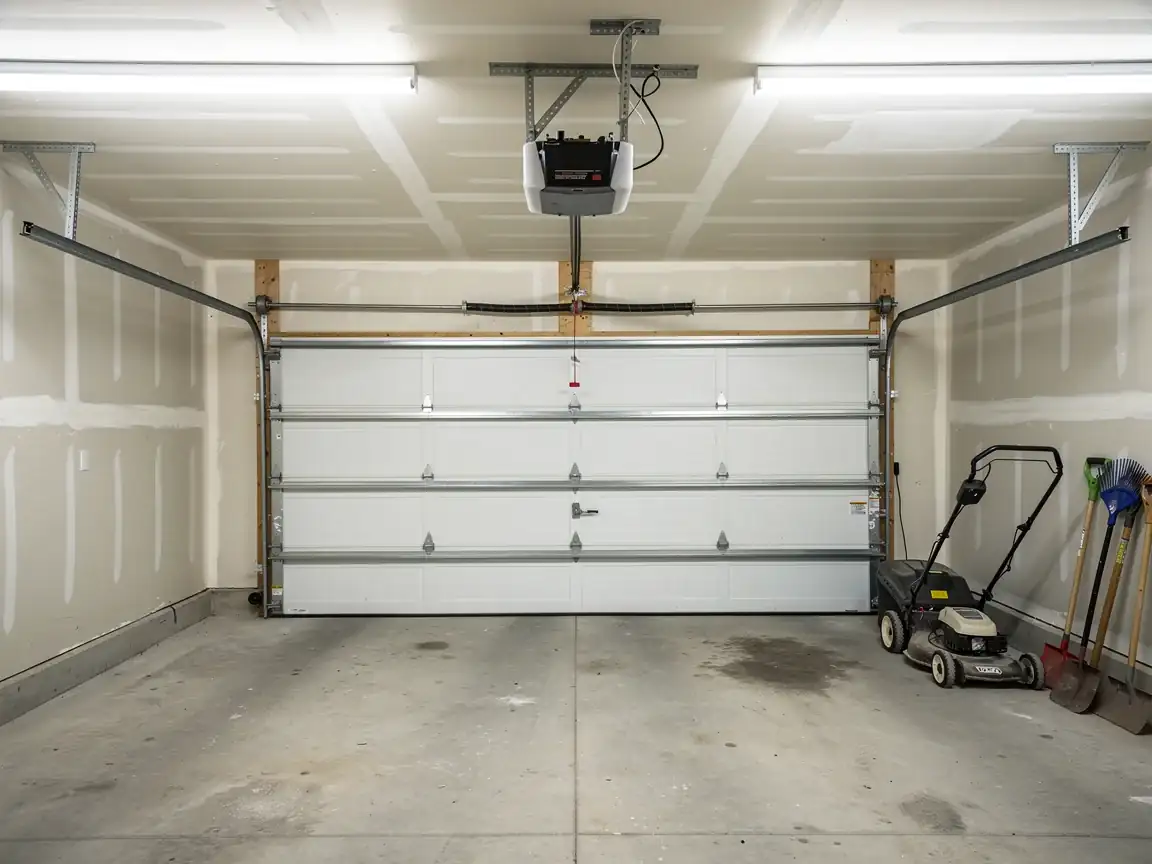
Burke's housing stock centers on 1979, which puts a lot of original or first-replacement openers from the 1980s and 90s still bolted to the ceiling. Those units ran on mechanical limit switches and manual force dials, not the digital load-sensing boards you get on a new opener. When the limit switch wears, the door either slams down past the floor or stops short and reverses for no reason you can see. Capacitors on the motor start winding fail quietly, so the motor hums and doesn't turn - a cheap part, if you catch it before it burns the winding. Drive gears inside the housing strip under the extra torque older torsion setups put on them, which is the single most common call we get on doors from this build era. Remote receivers from that period also drift out of sync more than new ones, especially once a neighbor's opener happens to share a close frequency. None of this means the door itself is bad - it usually means the opener is the original one and has simply put in its years.
Why It Happens Here
Burke's median year built sits at 1979, inside the wider 1940-2015 range for the service area but noticeably older than the 1980s-90s stock that dominates many of the other 49 named areas we cover. An opener installed when a house was new, or replaced once in the 1990s, is now pushing toward or past the end of a normal service life regardless of how well it was kept up. The region also sits in a severe cold climate band, and cold grease and cold plastic gears are a worse combination on an older chain-drive unit than on a newer belt-drive one built with tighter tolerances. Burke's median household income runs well above the wider service-area figure, which in practice means more owners here choose to replace an aging opener outright rather than keep nursing the same gearbox along - something we'll tell you straight if that's the better math for your unit.
How to Book
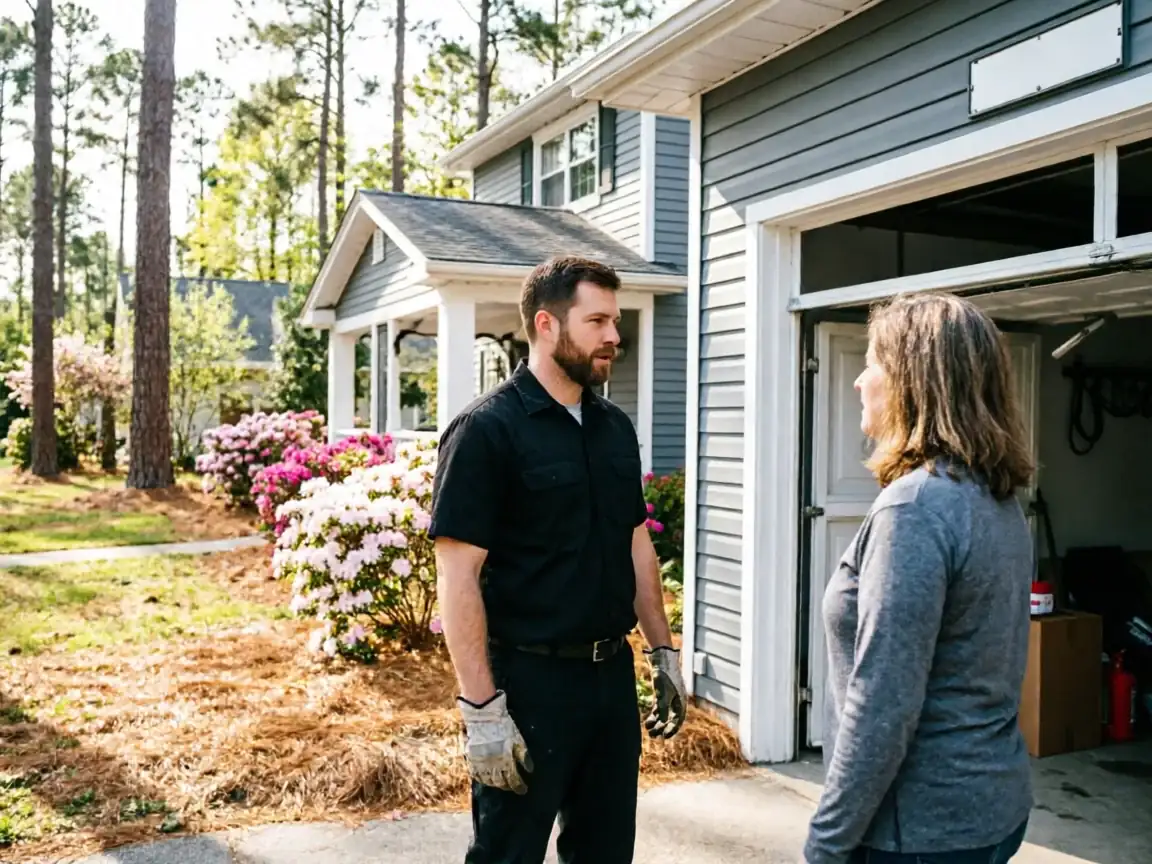
We run this call out of Centreville, about 10 miles from Burke. Tell us the opener's age if you know it, whether it's chain or belt drive, and what it's actually doing - won't close, reverses, no lights, dead remote. That gets us to the right parts before the truck leaves. See our Centreville opener repair page for how the diagnostic and repair process works, or check areas near Burke we also cover from the same route.
How Long You Are Without the Door
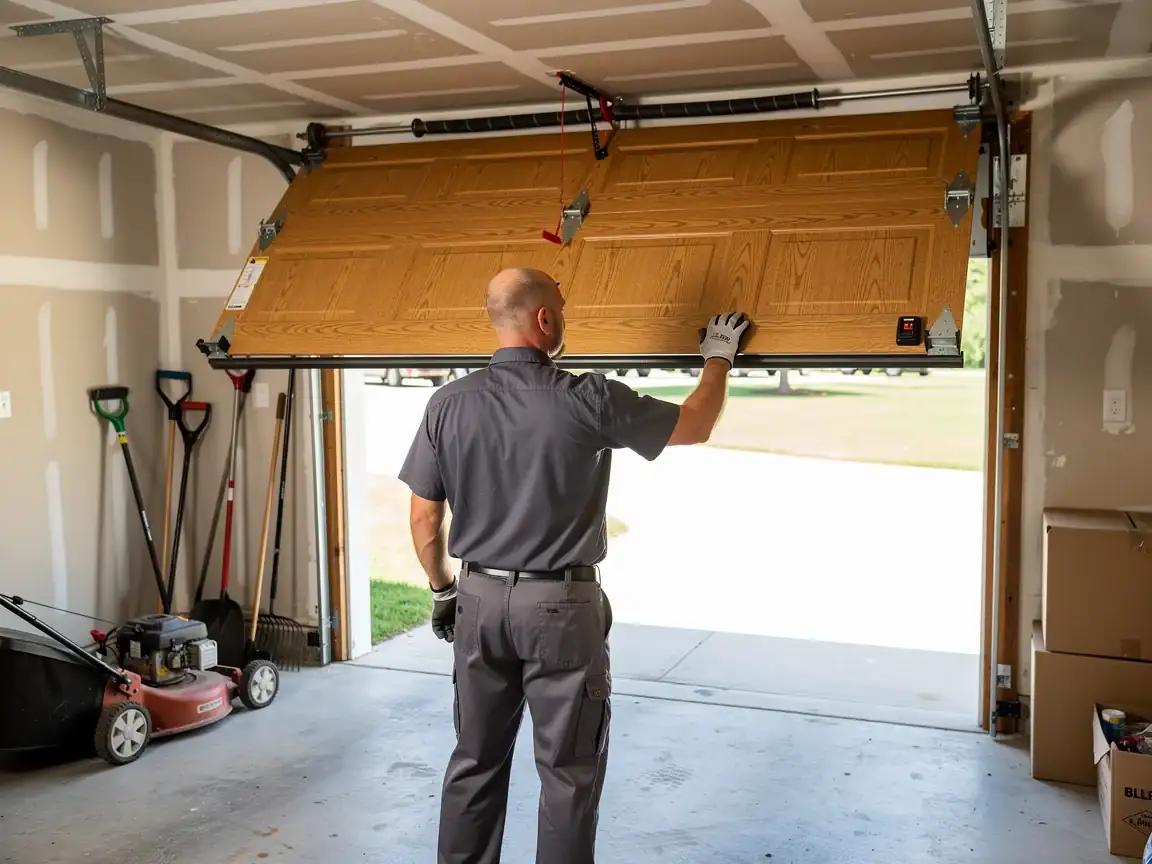
Most opener repairs - a new logic board, a limit switch, a gear kit, a capacitor swap - are a same-visit fix once we're on site, and the door goes back to normal that day. Where it runs longer is parts. If your opener is old enough that the manufacturer has discontinued the exact drive gear or circuit board for that model, which is common on units from the late 1980s and early 90s still found in Burke, we may need to order the part or recommend replacing the opener rather than chasing a part that's hard to source. We'll tell you which situation you're in before we start, not after.
How it works
From “it’s stuck” to “it’s fixed”
A quick, honest process - no guesswork and no surprises, start to finish.
Straight answers about garage door repair in Centreville. Still unsure? Ask us directly.
My opener is from the 1980s - is it worth repairing?
Depends what's wrong. A capacitor, limit switch, or logic board swap is usually worth it. If the drive gear or circuit board is discontinued for that model - common on units this old - replacement is often the more sensible call, and we'll say so rather than hunt for a part that may not exist anymore.
Why does my opener struggle more in winter?
Cold grease thickens and plastic gears get brittle, so an older chain-drive opener strains harder to lift the same door once temperatures drop. In this region's severe cold climate, that extra strain shows up as grinding, slow travel, or stalling partway through the cycle - especially on units already a couple decades old.
Do you have a shop in Burke?
No - we work out of Centreville and drive to Burke for calls, about 10 miles each way. We don't keep a local branch here, so scheduling runs through the Centreville office.