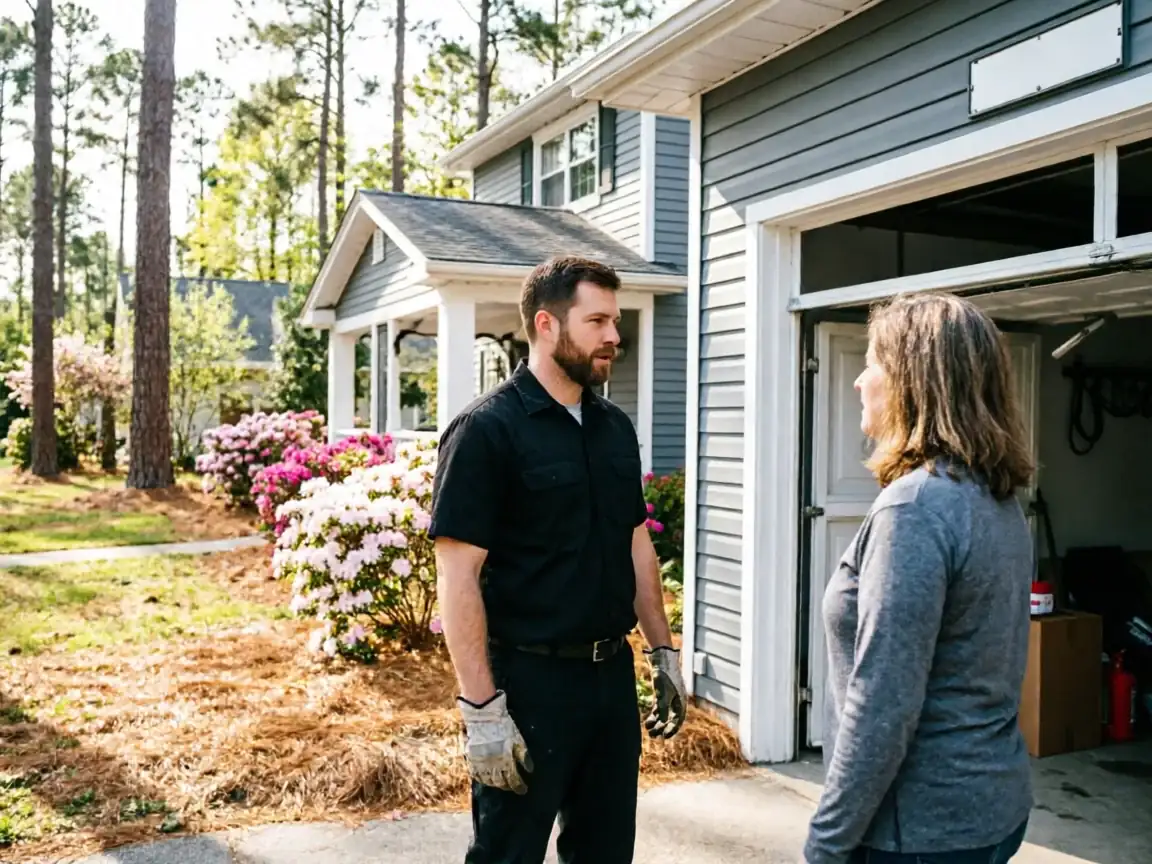
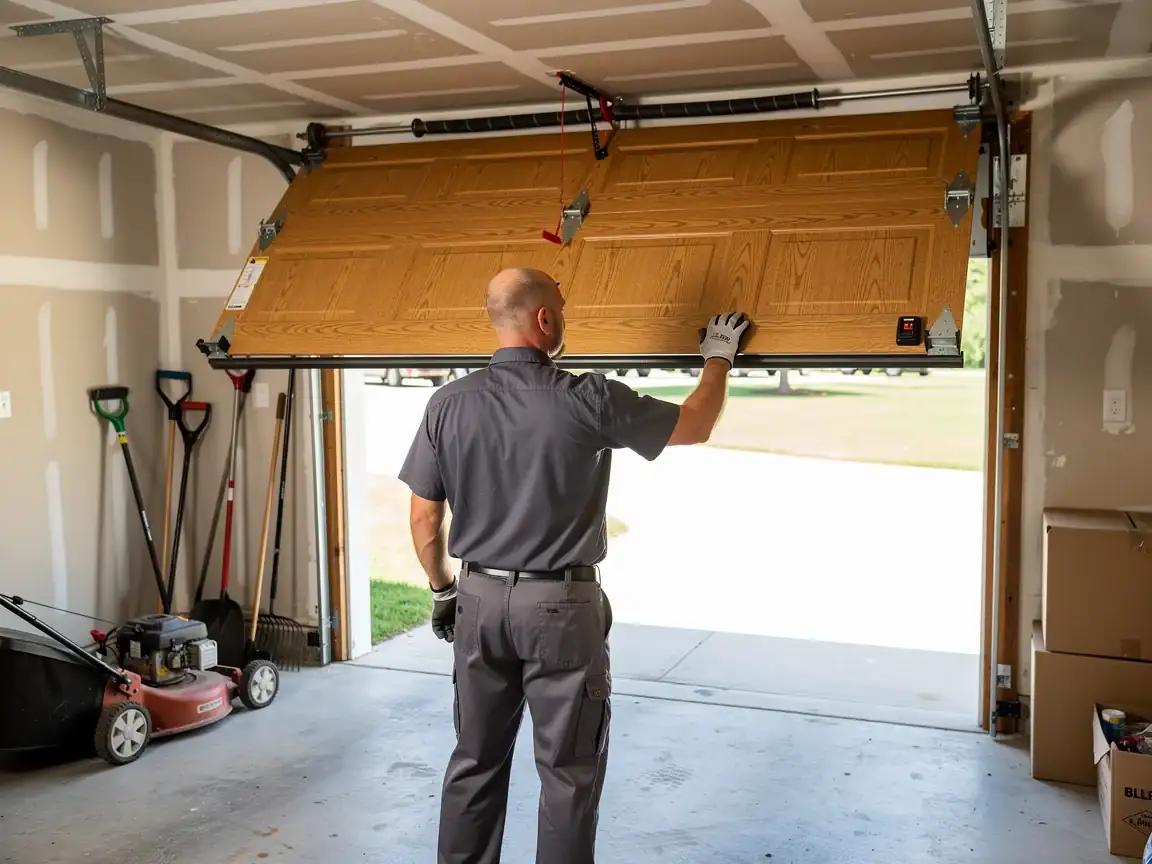
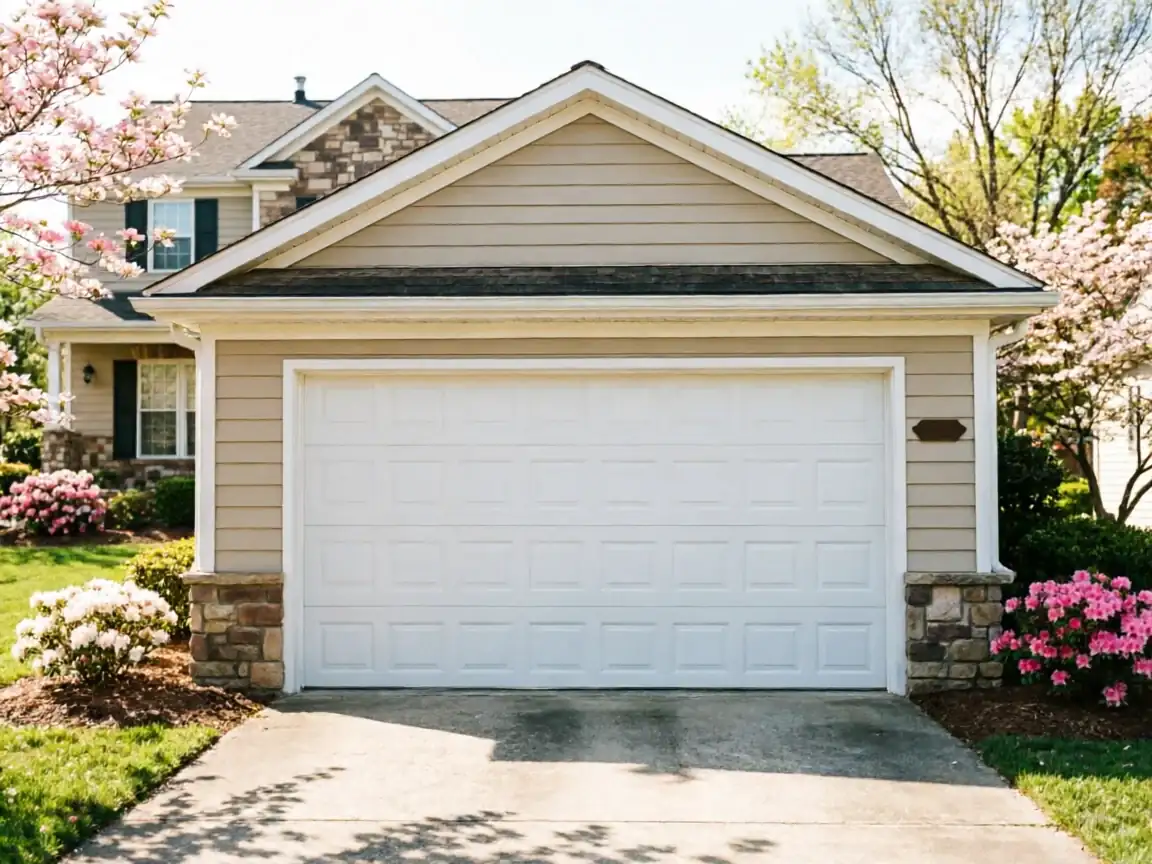
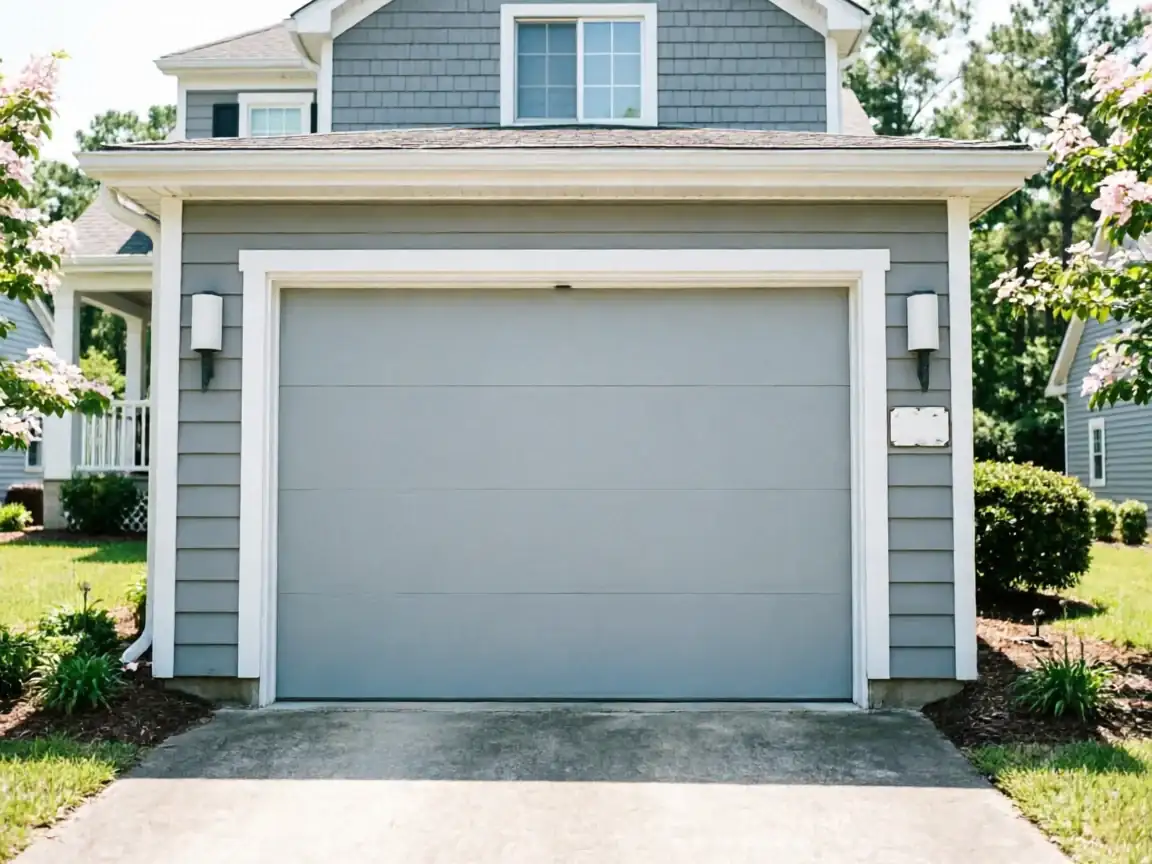
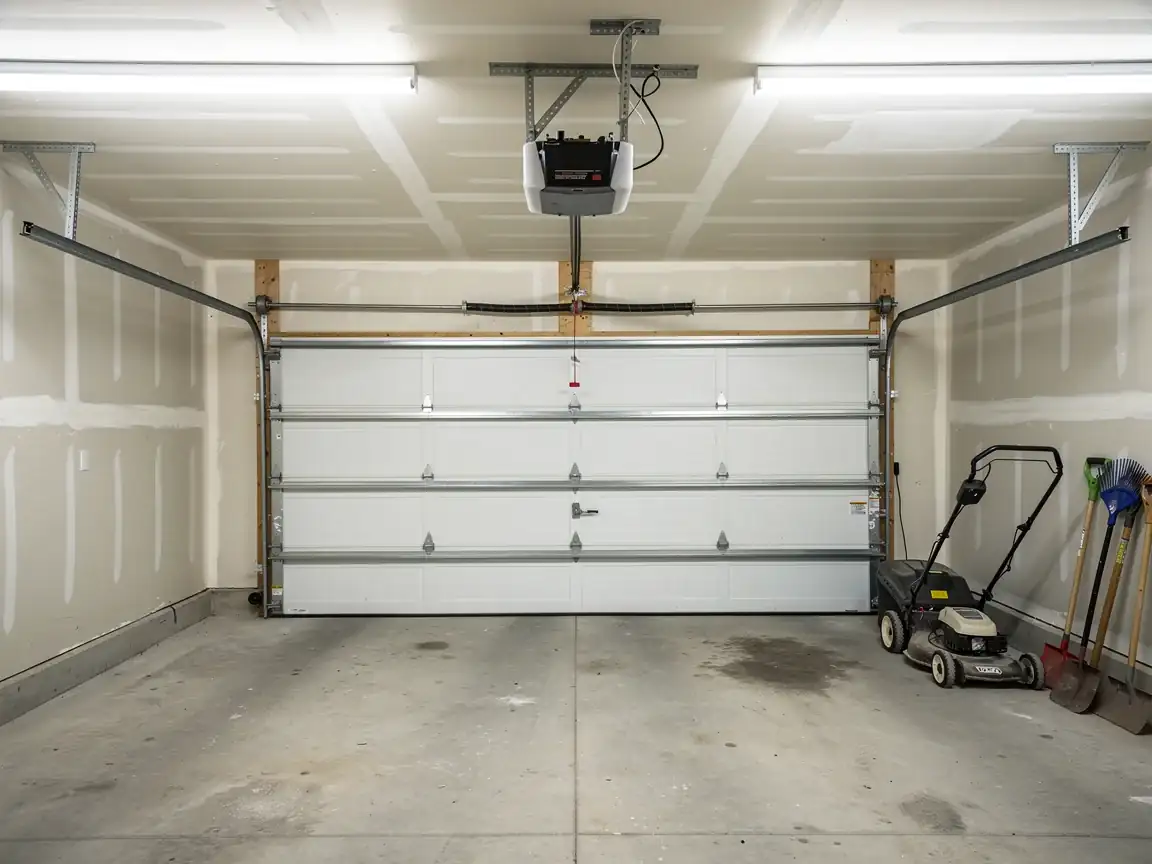
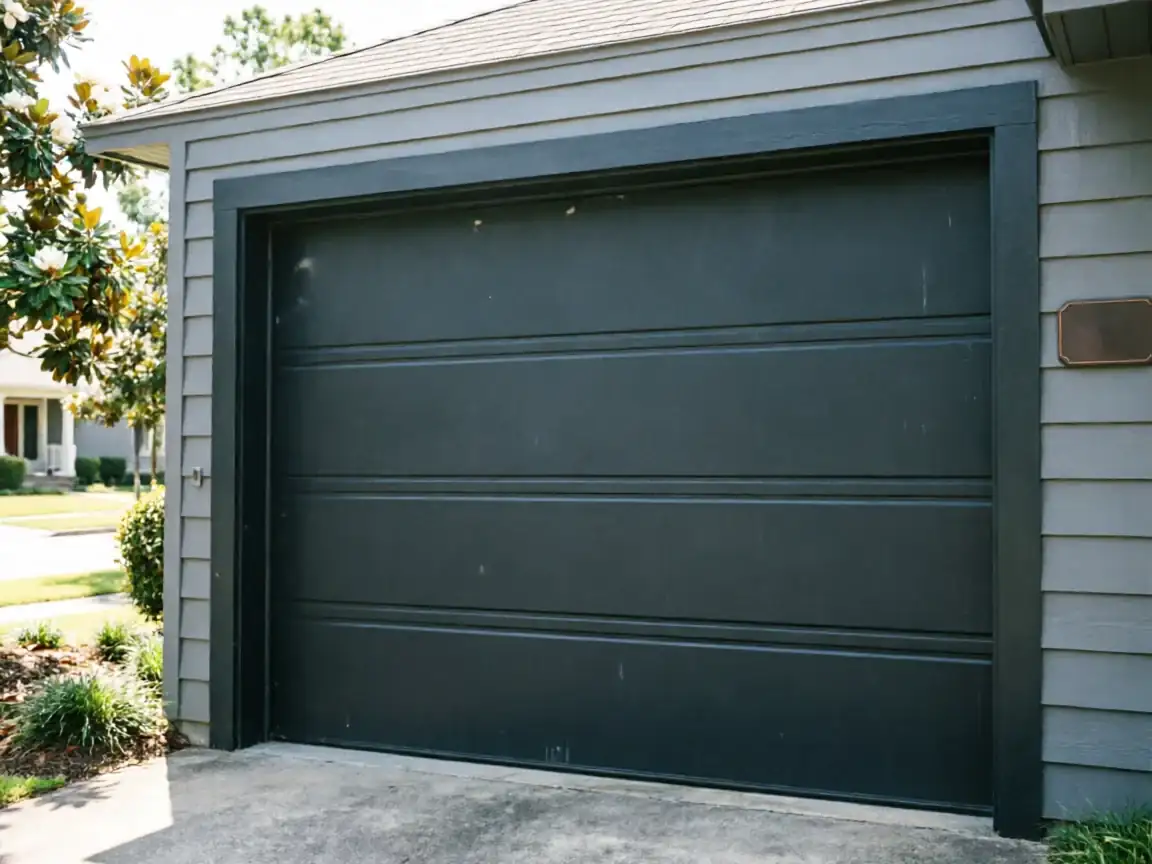
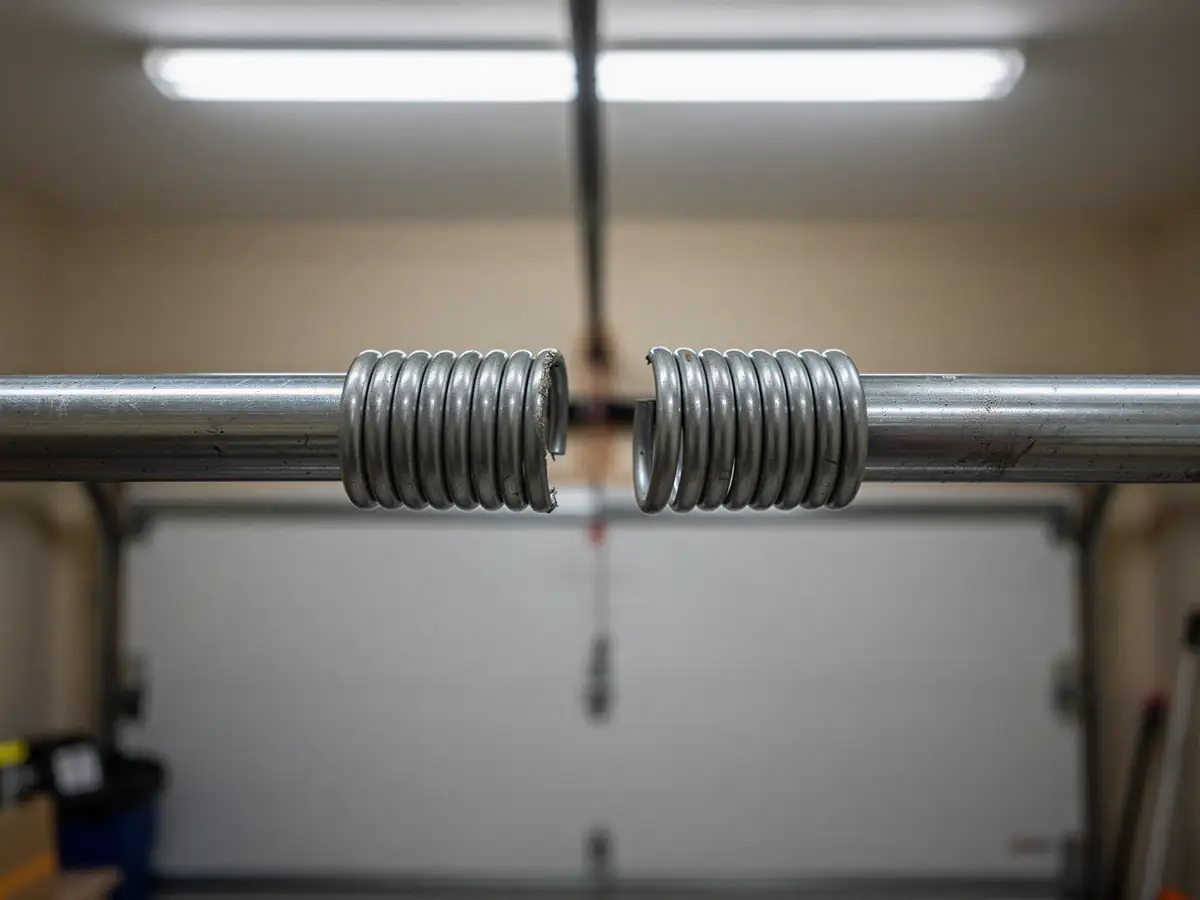
Most houses in Great Falls went up around 1985, which puts a lot of original or first-replacement doors at the end of their service life right now. That era built doors out of thin single-layer steel, usually with extension springs mounted along the horizontal track instead of a torsion bar over the opening. If your door has two long springs stretched above the rollers rather than one thick spring on a shaft at the header, that's the tell. These doors have no insulation value to speak of, the panels dent easily, and the extension spring setup is the kind that old safety codes required cables on, not always present if nobody updated the hardware since. None of this means the door is unsafe today, but it does mean when it's time to replace, you're not just swapping a panel for a panel - you're usually moving the whole system to torsion hardware, which changes what the job involves and what it costs. We see this pattern across the areas we cover out of Centreville, and a 1985-era opening behaves differently than a newer one, so the first thing we do on site is figure out which era you're actually working with before quoting anything.
Parts We Carry
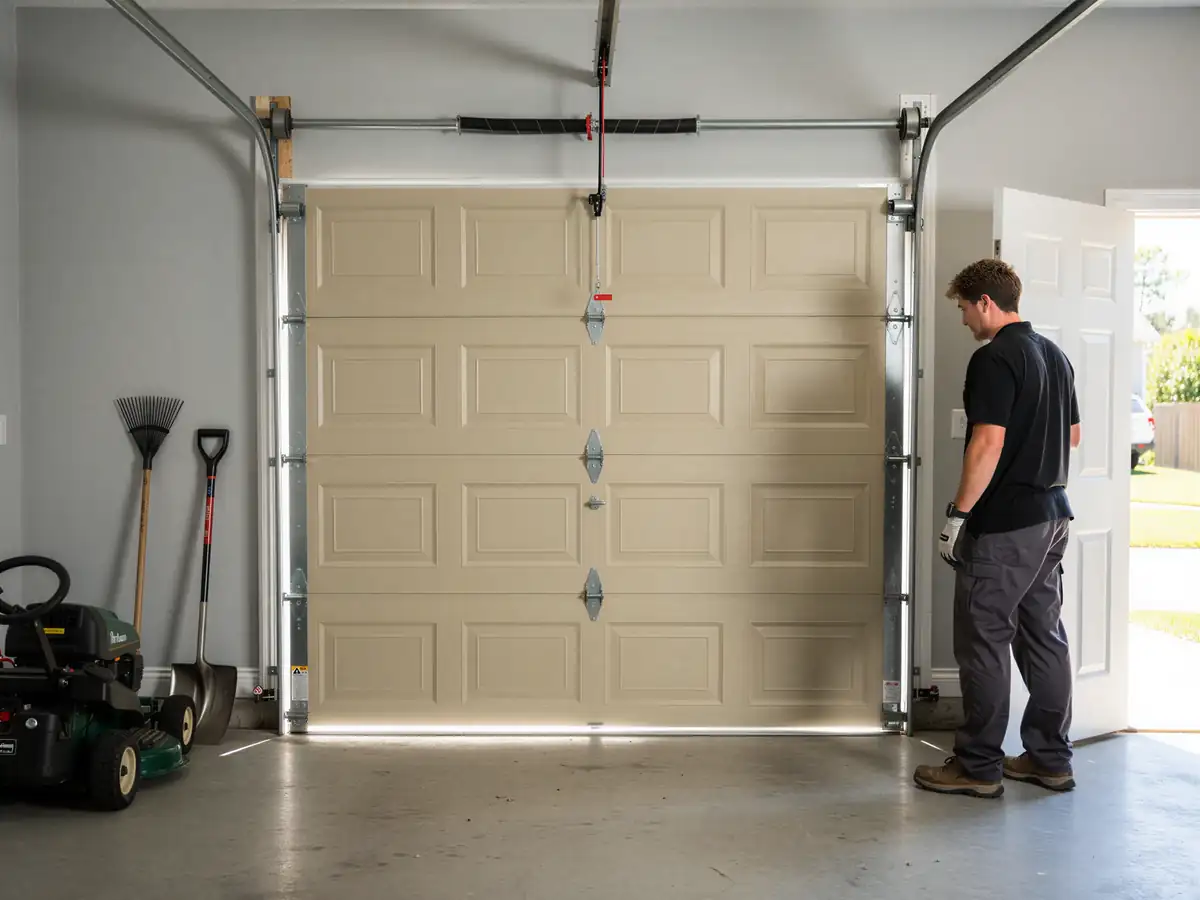
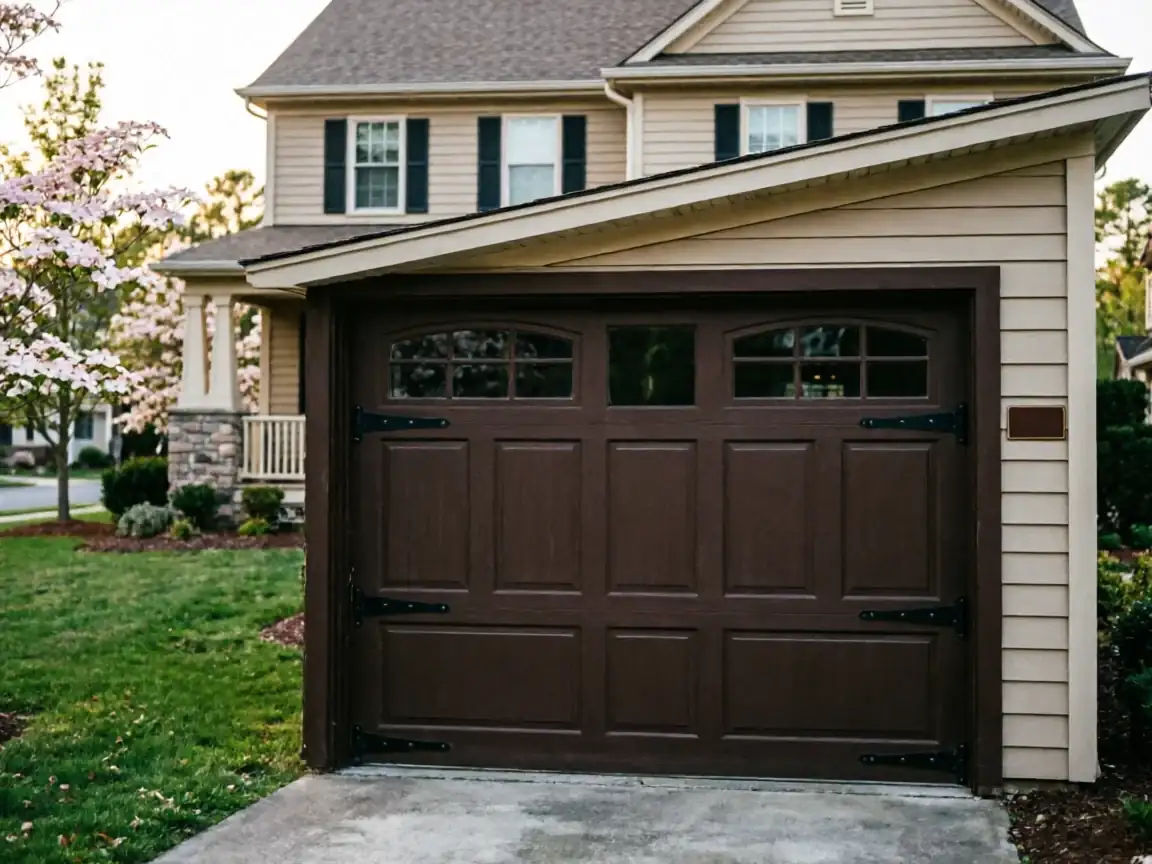
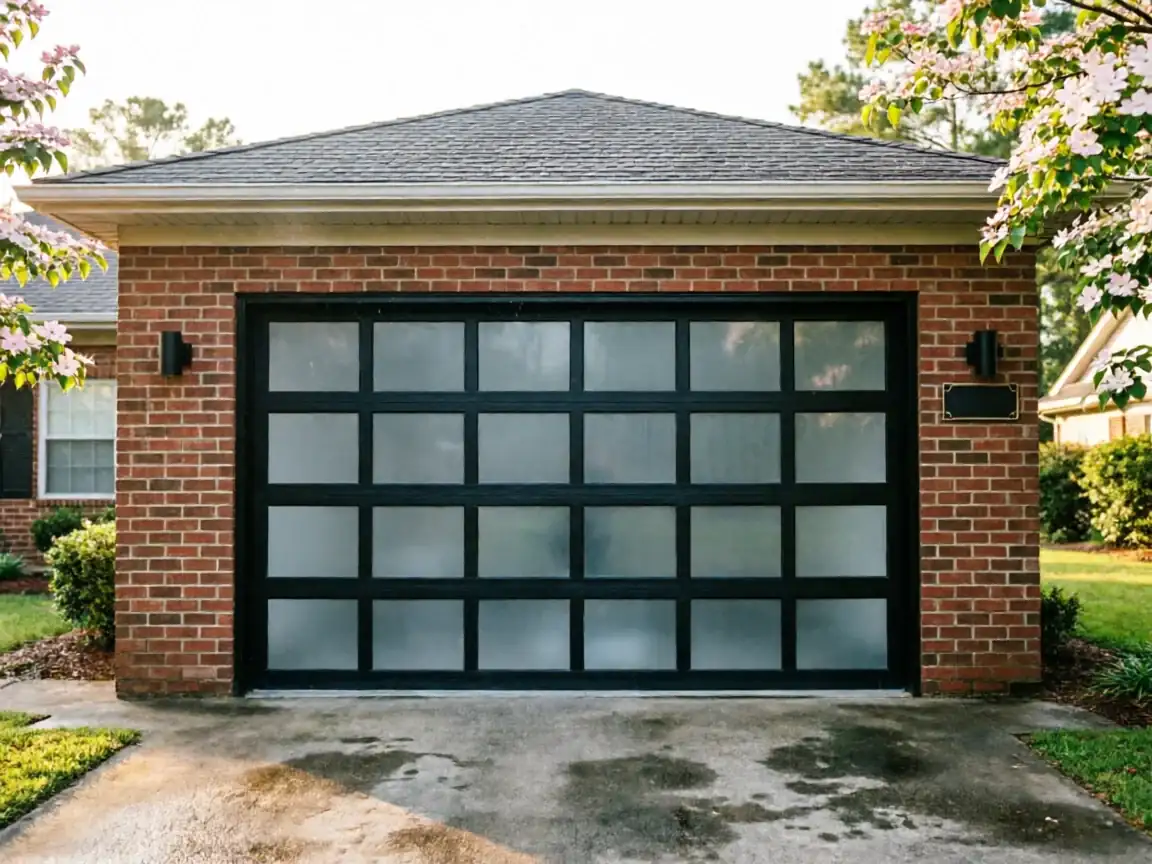
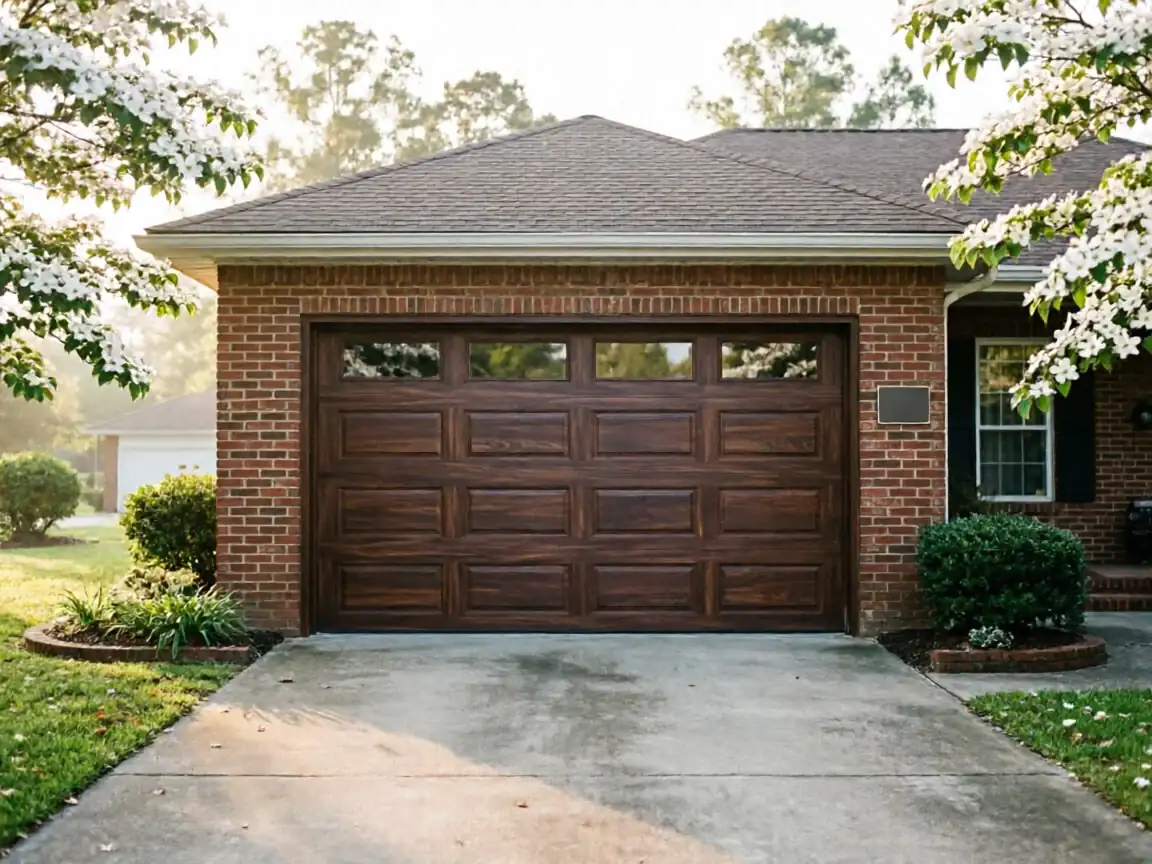
For a full replacement we're putting in a new torsion spring system regardless of what's there now, since that's the standard install on new doors - one or two springs on a shaft over the opening, sized to the door weight, not the stretched-spring setup your house may have had since 1985. We stock steel sectional doors in a range of insulation levels, which matters here given the cold winters this area gets; an insulated door with a thermal break around the panel seams holds up better than the single-layer steel that was standard when these houses were built. We also carry new track, rollers, and openers to match, since reusing 1980s track with a new door is a false economy - it rarely aligns right. What we don't stock on the truck is custom wood or carriage-style doors in nonstandard widths; those are special order and run into longer lead times, which we'll tell you up front rather than let you find out at install.
How Long You Are Without the Door
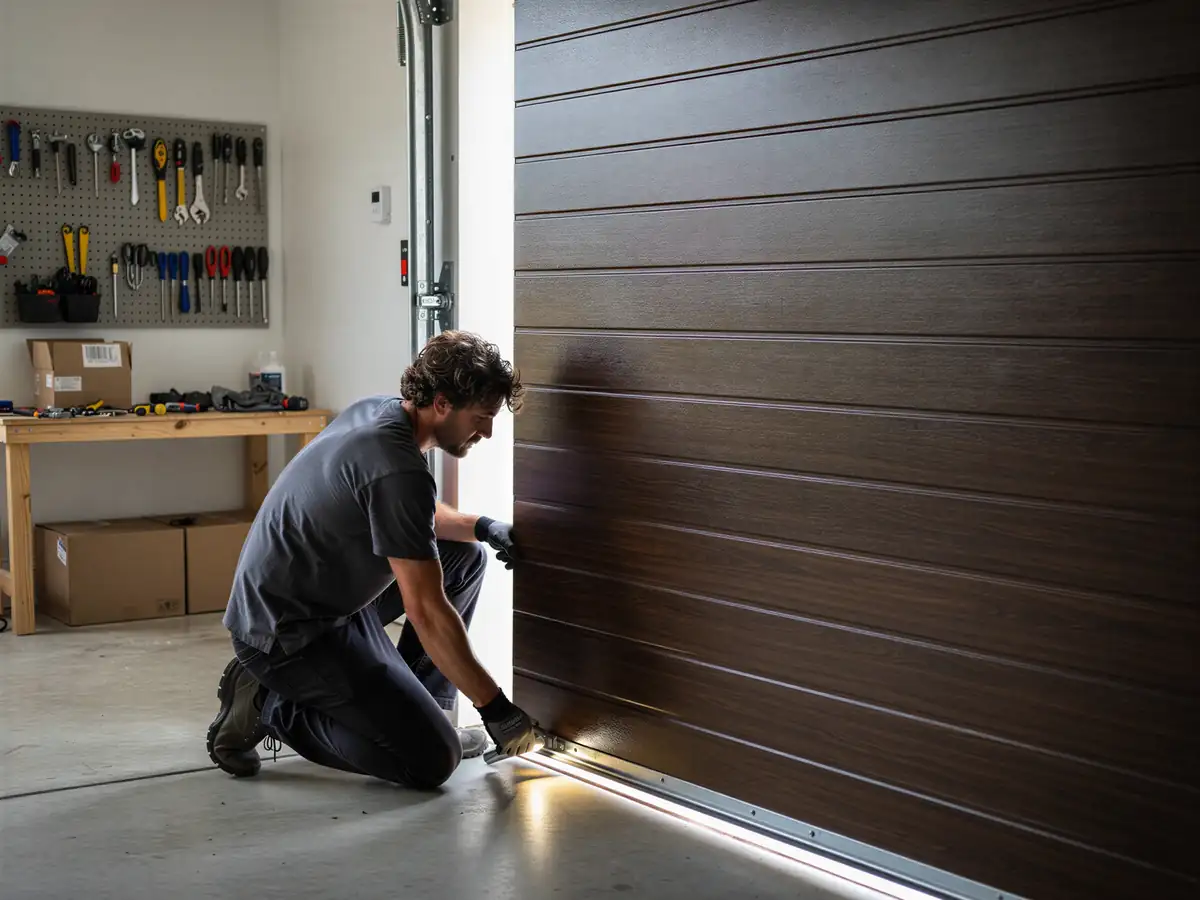
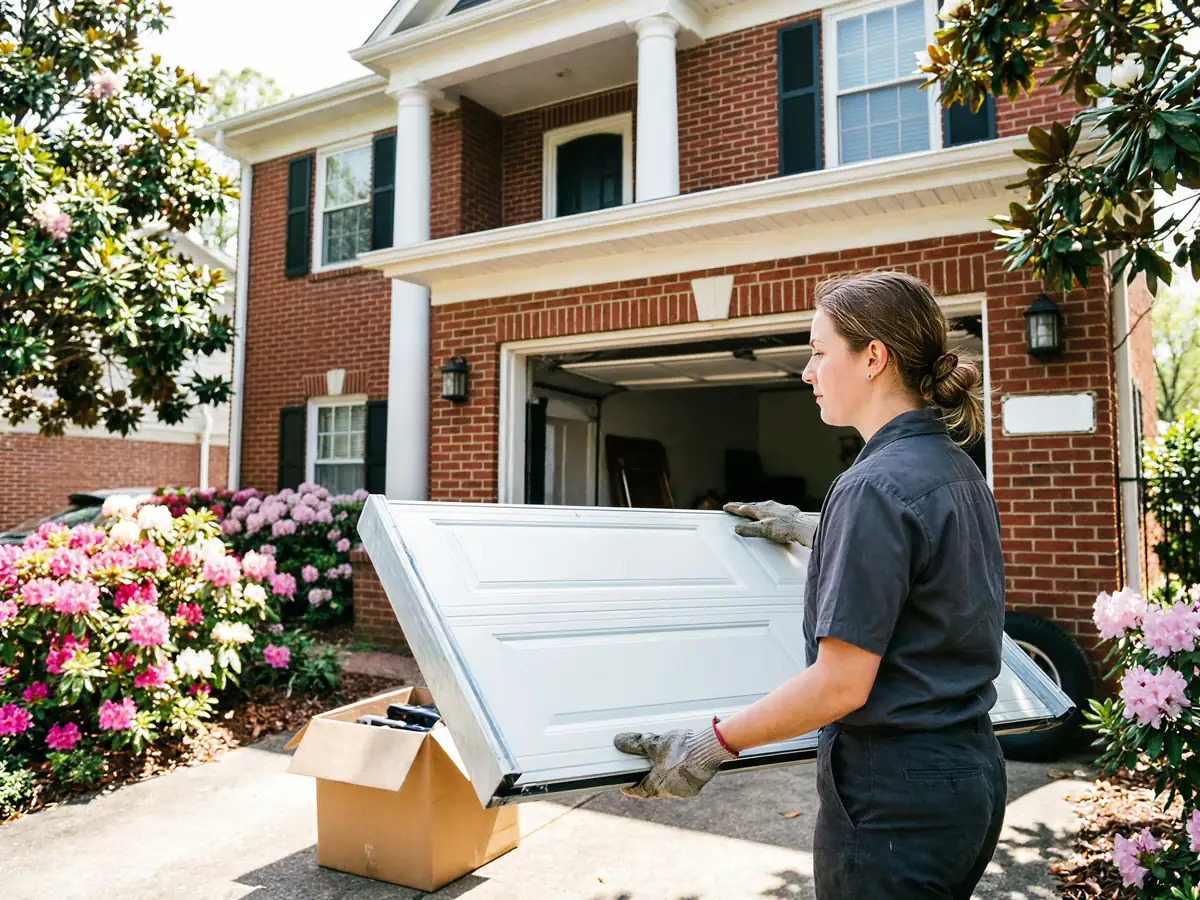
A standard steel sectional door with in-stock hardware is typically a same-day install start to finish once we're on site - the old door comes out, new track and springs go in, new door gets hung and balanced in one visit. Custom sizes or special-order panel styles are the exception: those wait on the manufacturer, not on us, and that lead time is the honest limitation here. We travel from Centreville, about 14 miles to Great Falls, so scheduling the visit is the only added step compared with a job closer to the shop - once we're there, the install timeline is the same as anywhere else we work.
What Can Go Wrong
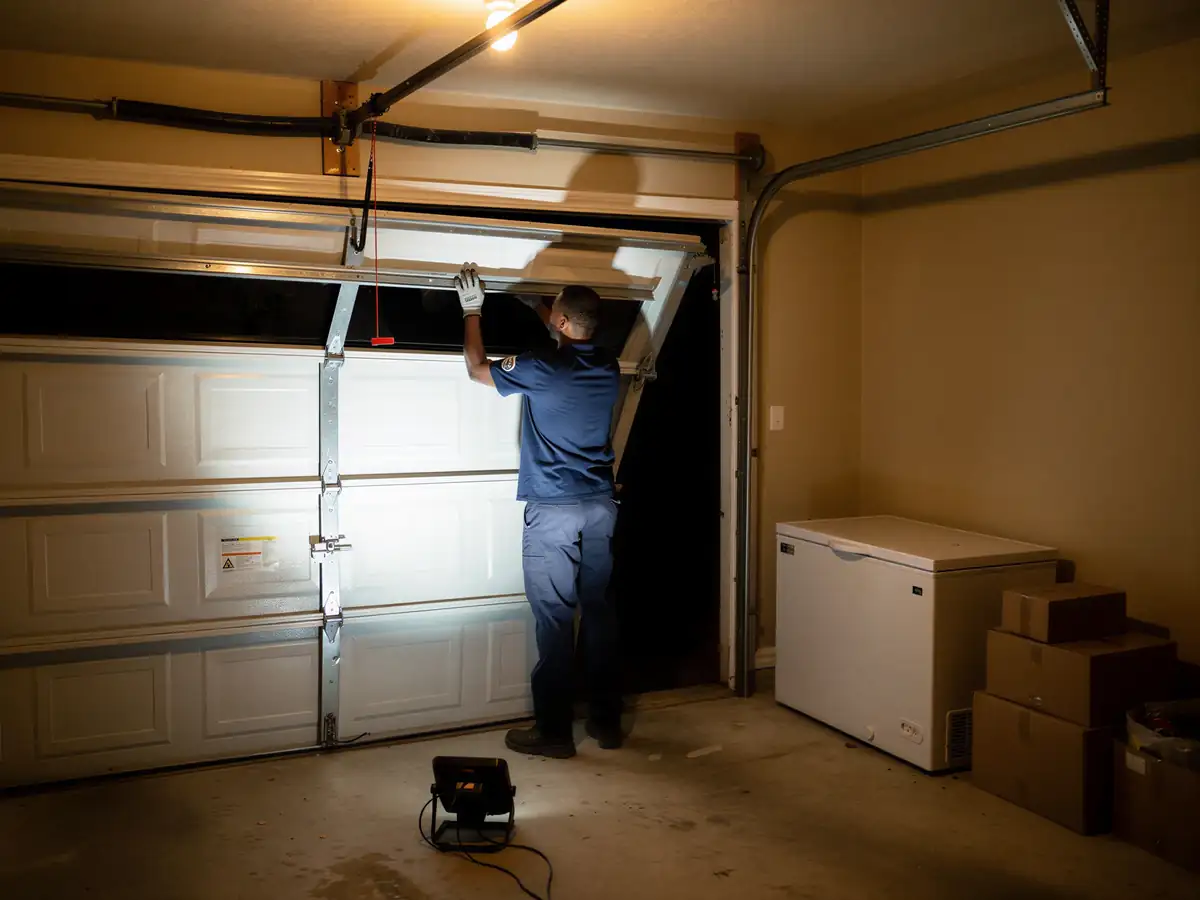
The most common surprise on a 1985-era opening is the header itself - wood framing from that period has sometimes shifted or isn't square anymore, which means new track doesn't sit flush without shimming. Extension spring setups that were never updated with safety cables can also mean the old hardware comes down in an uncontrolled way when it's removed, so we treat that teardown carefully rather than assuming it behaves like a modern system. Cold winters in this area put extra load on opener components and weatherstripping, so a new door without a decent bottom seal and insulated panel will underperform here compared to milder climates. None of this is a reason to delay - it's just why we inspect the opening before quoting a number, not after.
What You Pay
We don't post flat prices here because the two biggest cost drivers - header condition on an older opening and whether you're matching a custom width - vary house to house, and guessing at a number before seeing the opening does nobody any favors. What we can say is that households in the broader area we serve have a median income over $136,000, and Great Falls itself runs well above that, so we're not pricing jobs for a single budget tier - we quote the door and the hardware the opening actually needs, standard steel sectional on up. Ask for a number on site visit and we'll give you one before any work starts, not after.
The DIY Question
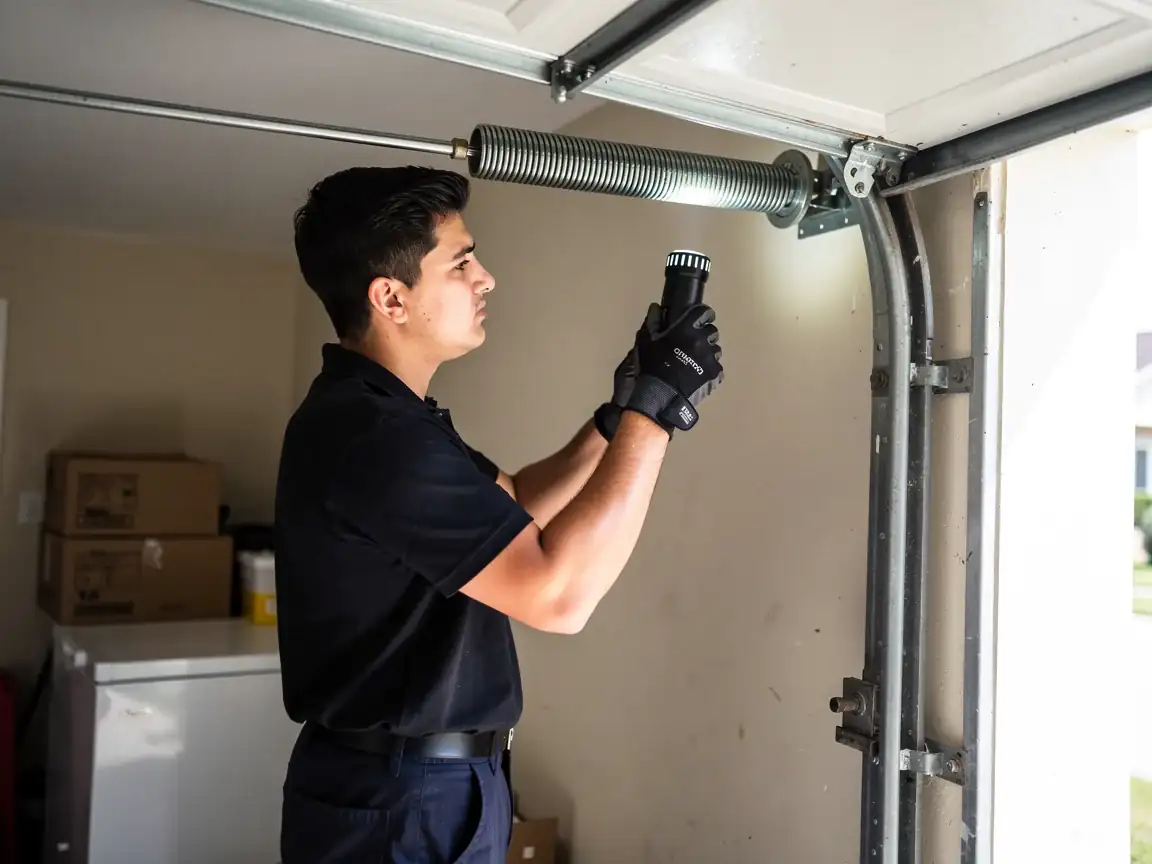
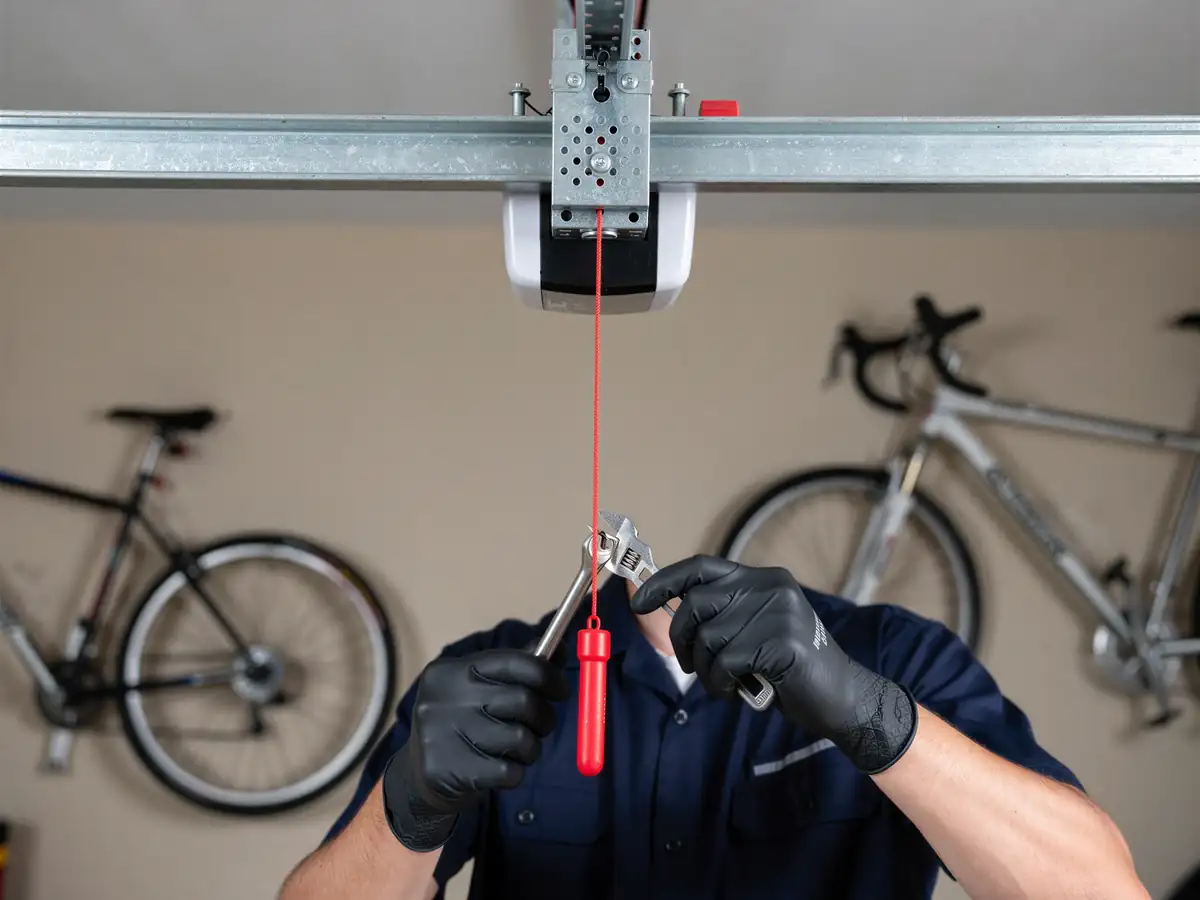
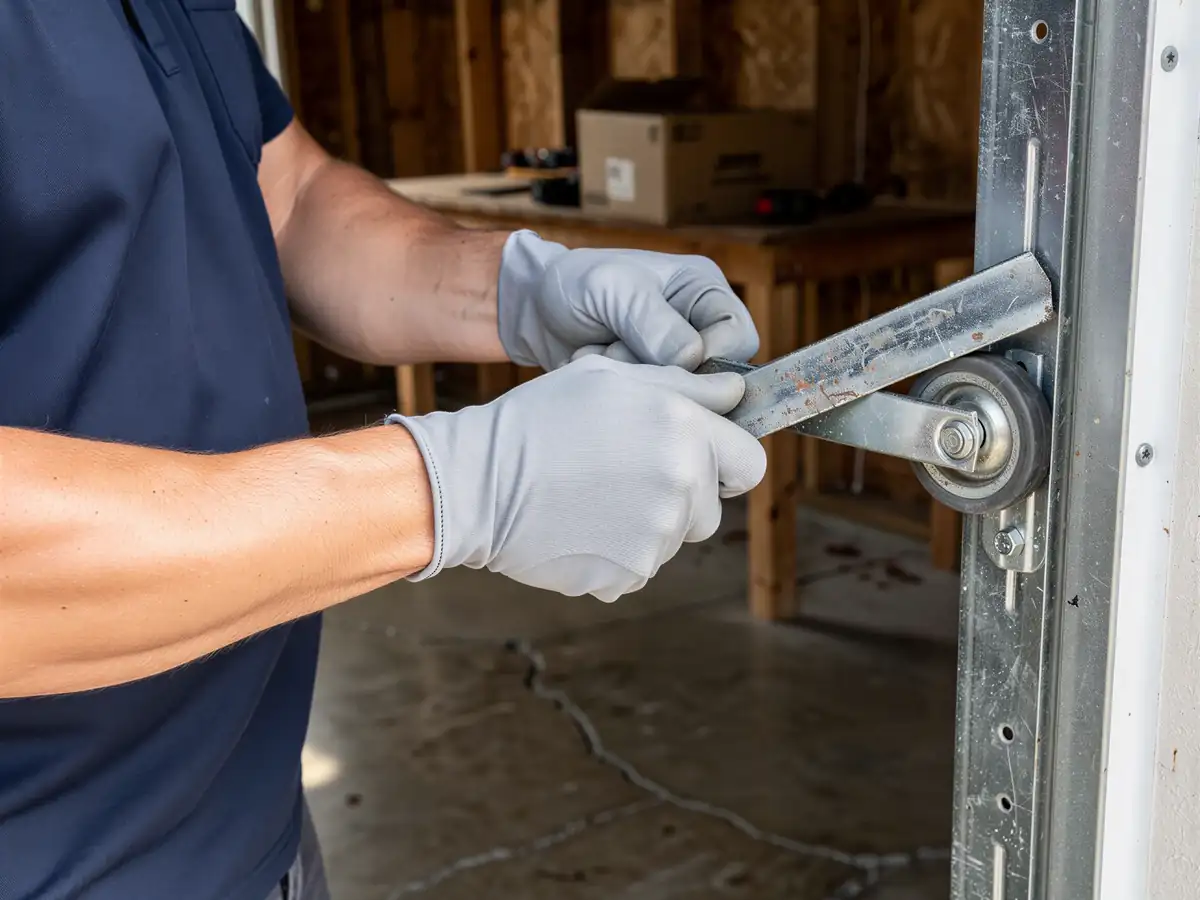
Swapping a torsion spring or rehanging a door yourself is a bad idea regardless of the house - a loaded spring under tension can do real damage, and that's true whether the house went up in 1985 or last year. Where it gets specific to a neighborhood like this one is the hardware itself: a lot of these openings still have the older extension-spring layout, and converting that to a proper torsion system isn't a weekend upgrade, it's a full install with a shaft, brackets, and cable drums that need to be sized correctly for the door weight. If you're set on doing the demo yourself to save money, fine - but hand off the spring and track work. That's the part that puts people in the ER, not the panel removal.
How it works
From “it’s stuck” to “it’s fixed”
A quick, honest process - no guesswork and no surprises, start to finish.
Straight answers about garage door repair in Centreville. Still unsure? Ask us directly.
Why does my extension-spring door feel different from newer doors?
Extension springs stretch along the horizontal track instead of twisting on a shaft over the door, which was standard when a lot of Great Falls homes were built around 1985. They work, but they don't balance a heavy insulated door as well as torsion springs do, and they're the harder, riskier system to service without the right tools.
Do you have a branch in Great Falls?
No - we run out of Centreville and travel to Great Falls for every job, about 14 miles. Installs take the same amount of time once we're on site; the only extra step is scheduling the visit.
Will a new door fit my old 1985 opening without extra work?
Sometimes, but not always. Framing from that era can shift over time, and we often need to shim or adjust the header to get new track sitting flush. We check this during the on-site visit before quoting, since it changes the scope of the job.
Is a custom-width door available quickly?
Standard steel sectional doors are usually a same-day install once we're on site. Custom widths or special panel styles are special order through the manufacturer, which adds lead time - we'll tell you that up front if your opening needs one.