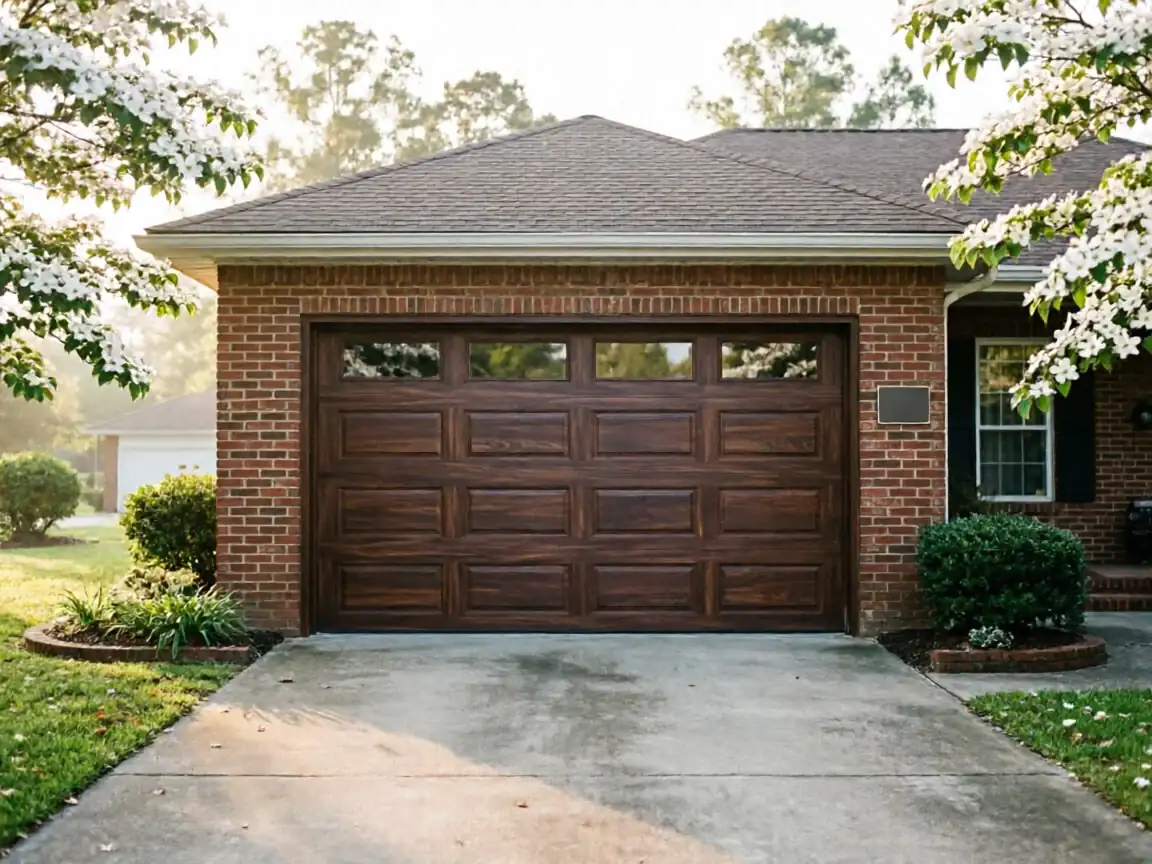
Most houses in this part of Great Falls went up around 1985, and a lot of the garage hardware inside them is the same hardware that shipped with the house. Nobody swaps a torsion spring or a track bracket unless something breaks, so if your door has never given you trouble, there's a decent chance the spring, the cable drums, and maybe the opener motor are all original to a mid-1980s build. That matters because parts from that era were sized differently than what's sold today, and a tech who shows up without checking the door's age first can bring the wrong spring wire gauge or the wrong bracket spacing. Household income in this pocket runs well above the wider area we cover out of Centreville - north of $250,000 against a service-area median closer to $136,000 - and that shows up in heavier doors, insulated panels, and openers with features builders didn't put on tract housing. None of that changes the physics of a 35-to-40-year-old torsion spring. It changes what we expect to find when we open the panel: better materials holding together worse hardware, and a homeowner who wants it fixed right rather than fixed cheap.
Parts We Carry
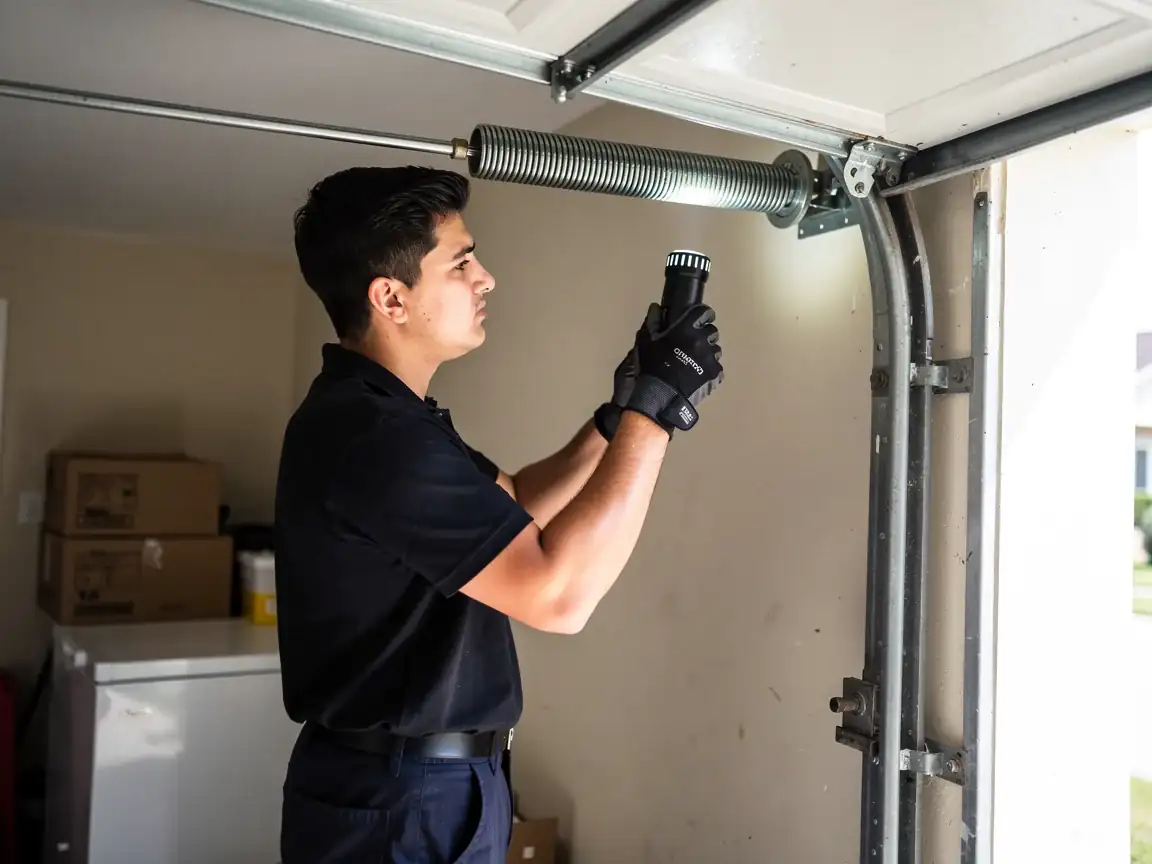
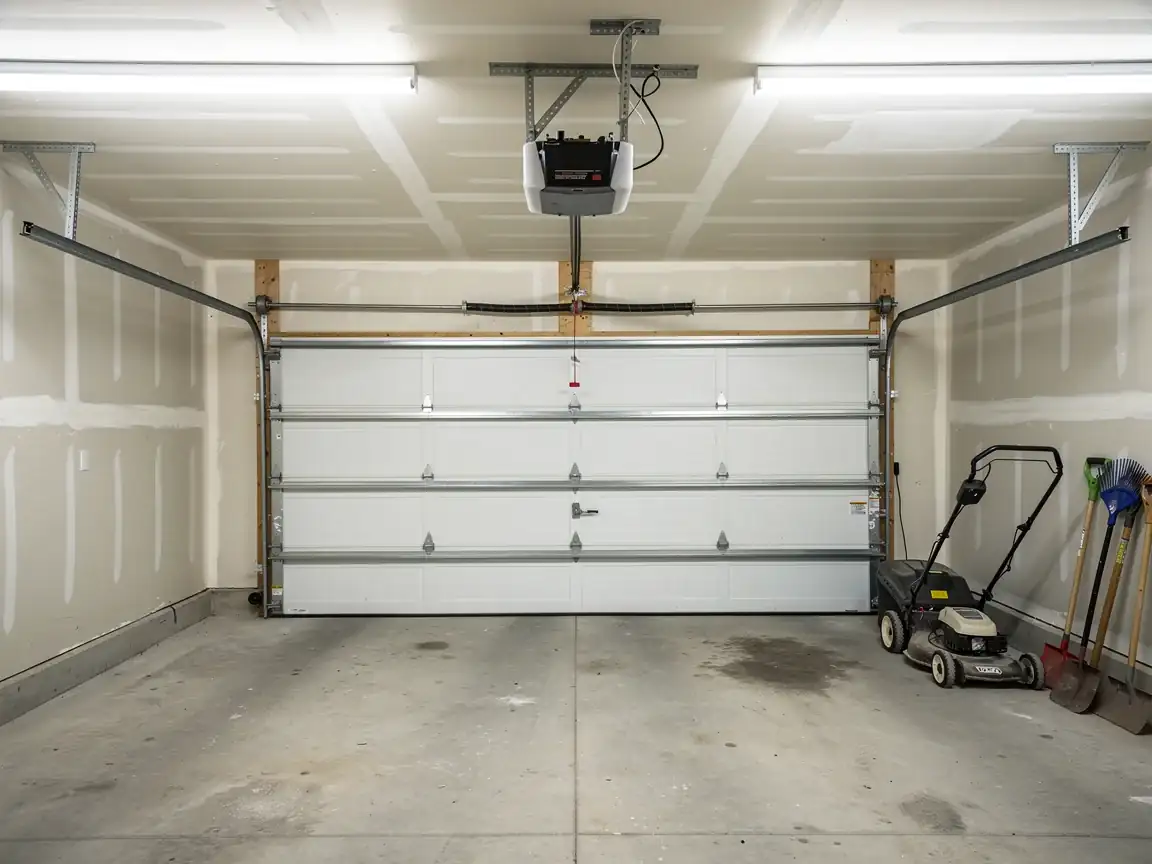
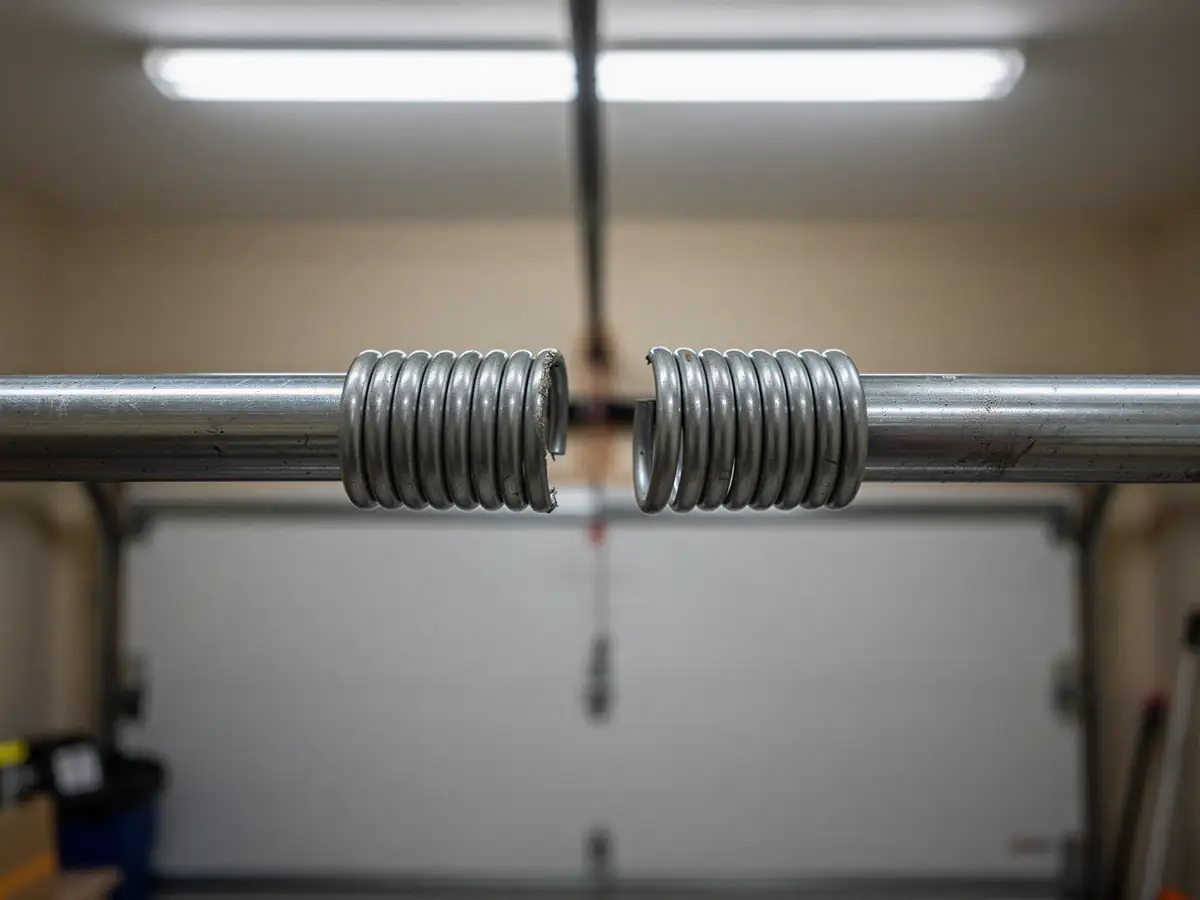
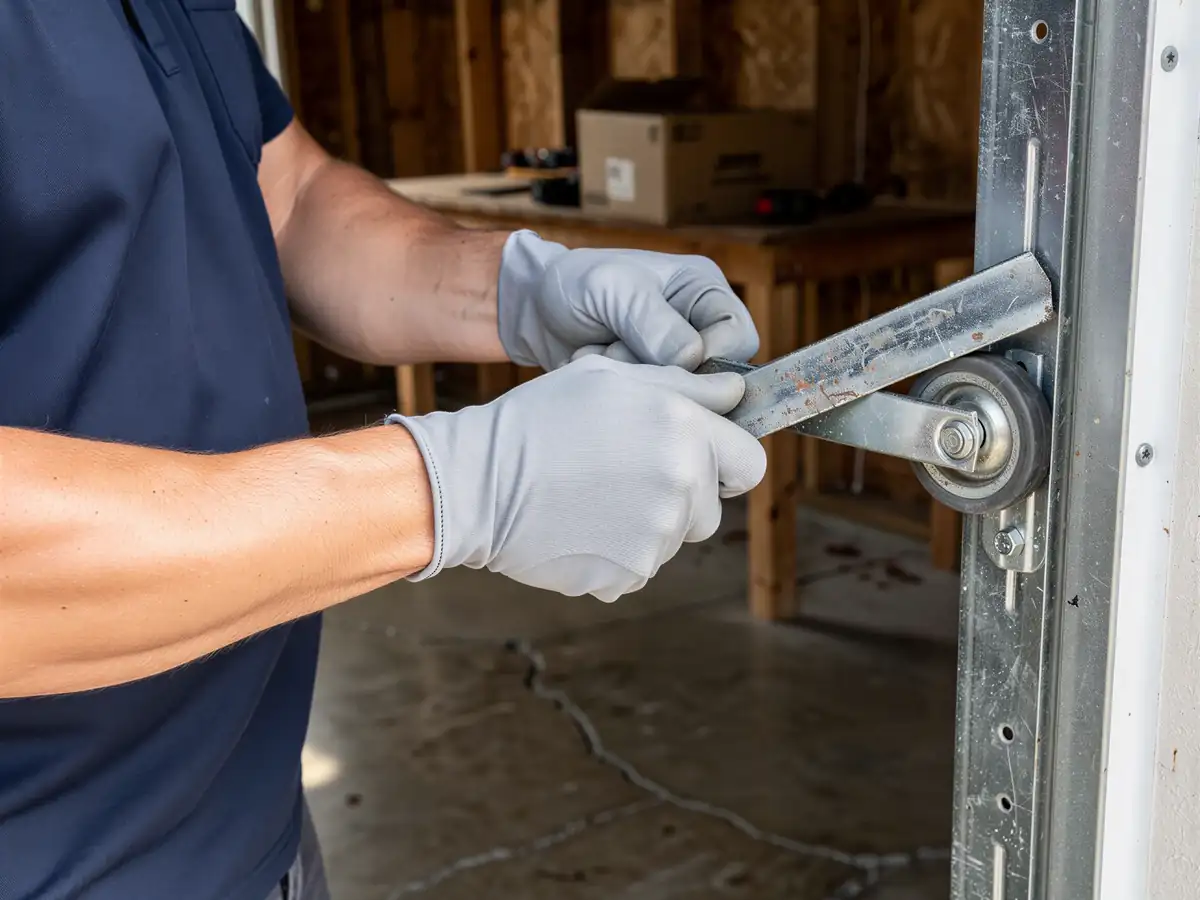
For a door this age, the spring is almost always the first thing to go, and we carry torsion springs sized for the wire gauge common to 1980s residential installs, not just the current standard sizing. We bring galvanized track sections, because track from that era pits and rusts at the joints long before the panels show any wear, especially after a run of hard winters. Rollers get swapped out as a matter of course on a job like this - nylon rollers from the original install are usually long past flexible. What we don't carry on the truck is obsolete opener logic boards for every motor ever sold in 1985; if your opener is original and the circuit board has failed, we'll tell you straight whether a replacement board exists or whether swapping the opener unit is the honest fix. That's the one place age can beat us before we even start.
How Long You Are Without the Door
We run this call from Centreville, about 14 miles out, so every job here starts with a drive, not a walk from a local depot. We don't carry stock on every truck, and 14 miles means we're not going to double back twice in a day if we misjudge what's in the garage. That's why we ask what you're seeing on the phone first - stuck door, broken spring, opener that hums but doesn't move the door - so the truck that leaves Centreville is loaded for what's actually wrong, not a generic kit. We won't promise a same-hour window here; we'll tell you the slot we can give you and hold it.
What Can Go Wrong
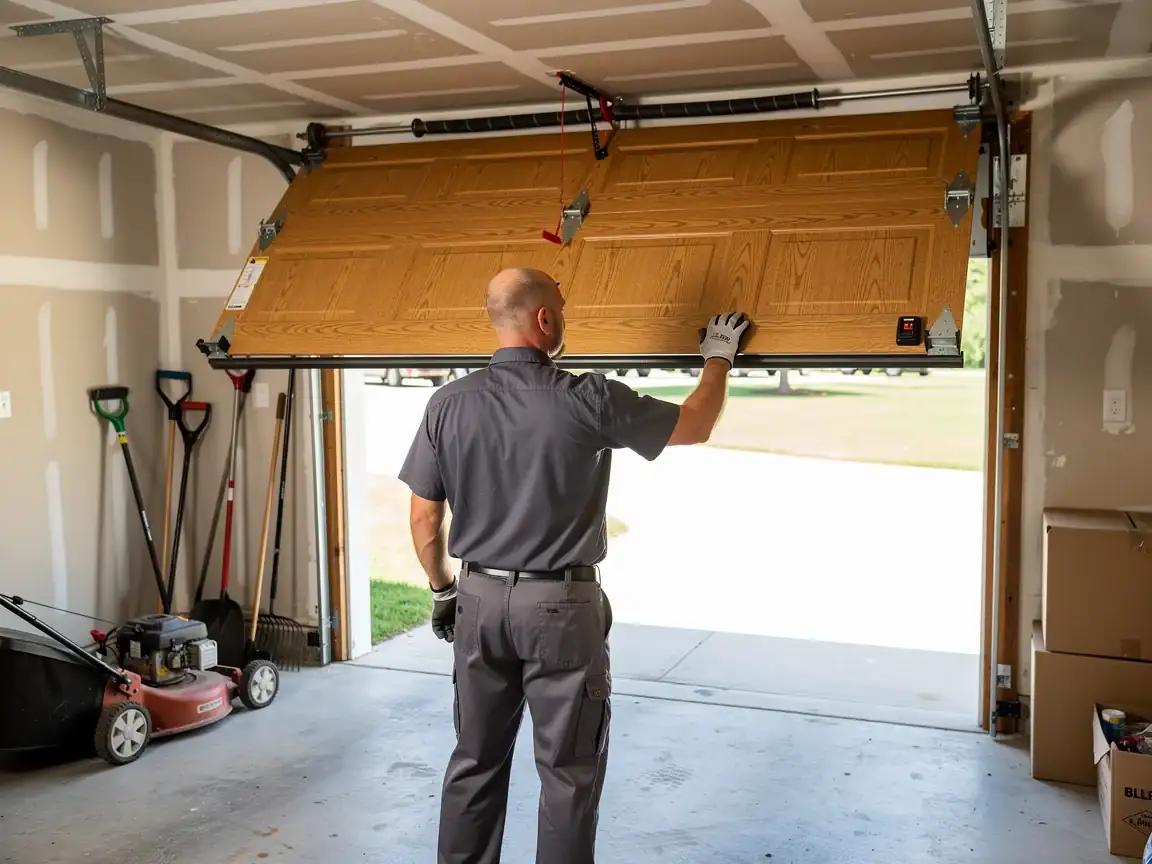
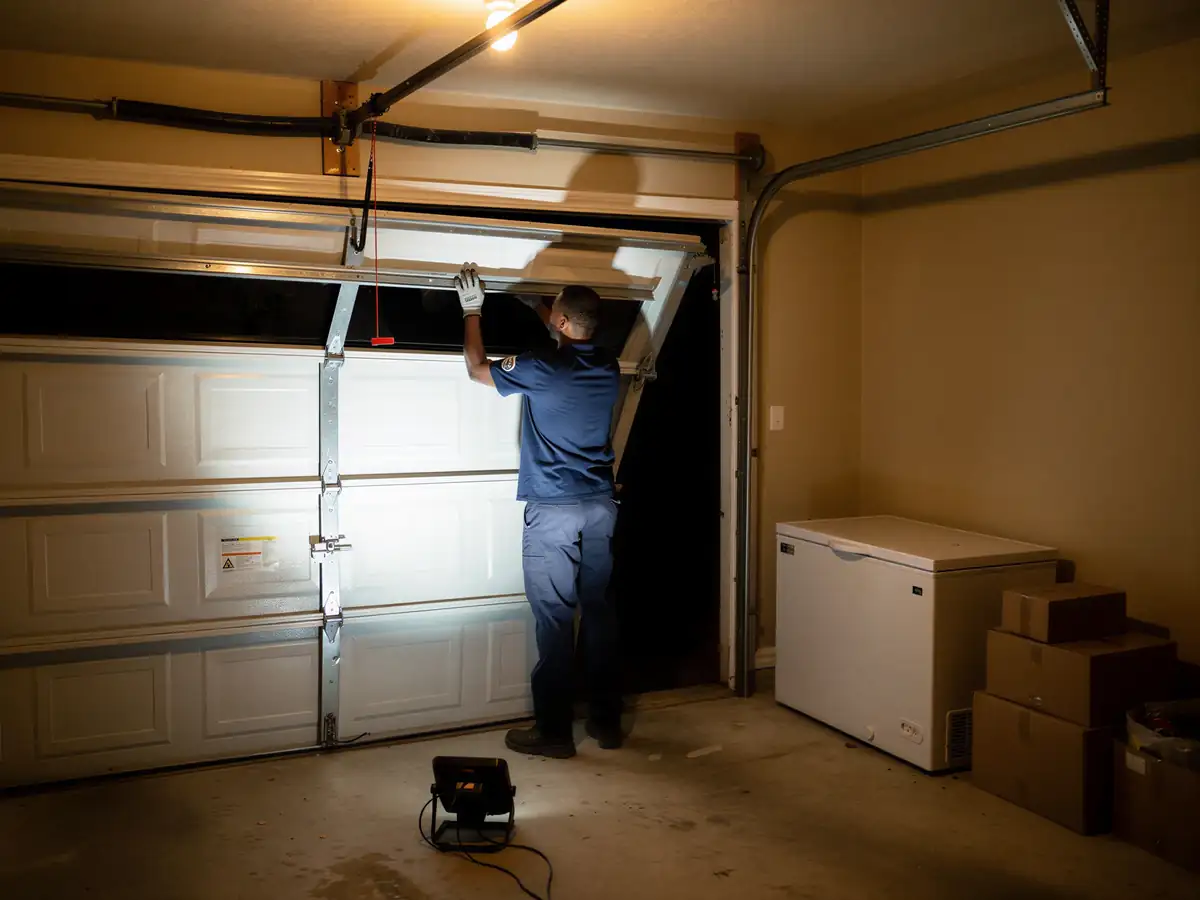
On a door with original 1980s-era hardware, the failure that catches people off guard is the cable fraying at the drum, not the spring itself - the spring usually gives warning (a visible gap, a door that feels heavier), but a cable can snap with no notice and drop a panel hard. Openers from this build era were mostly chain-drive, and after decades the sprocket wears unevenly, which shows up as a door that jerks partway through its travel instead of running smooth. The region sits in a cold-climate band with real winter severity, and cold mornings are when an aging torsion spring - already fatigued from thirty-plus years of cycling - is most likely to let go, because cold steel loses some of its flex. If your door has never had a tune-up, that combination of age and temperature swing is the most common reason we get called out here.
What You Pay
We don't post a flat number for Great Falls calls because the job varies too much - a single spring swap on original hardware costs nothing like replacing a chain-drive opener that's finally quit, and a heavier insulated panel door common in this area costs more to service than a lighter builder-grade door. What we can say is that the drive from Centreville is factored into the quote before we leave, not added as a surprise once we're parked in your driveway. If you want a number before we show up, tell us the door's age and what it's doing (or not doing) and we'll give you a range on the phone.
The DIY Question
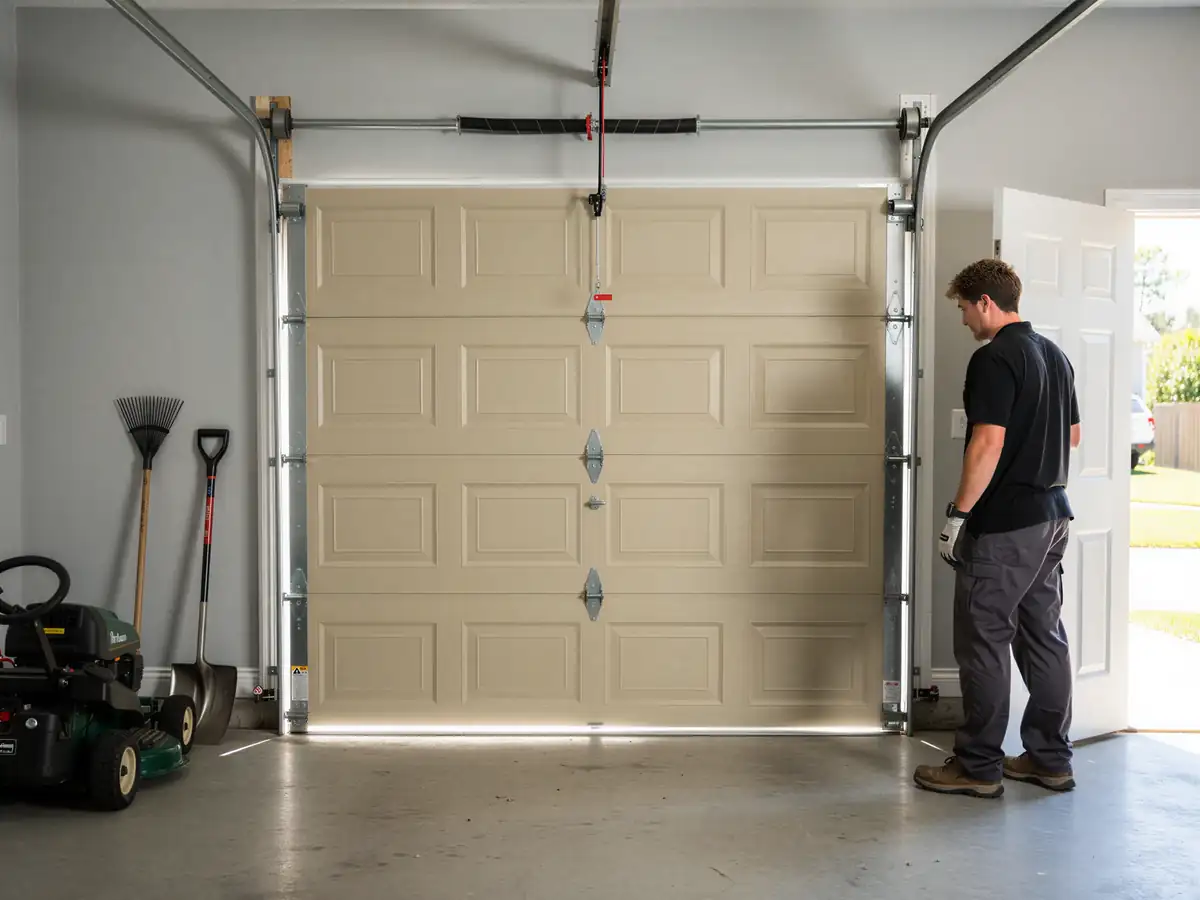
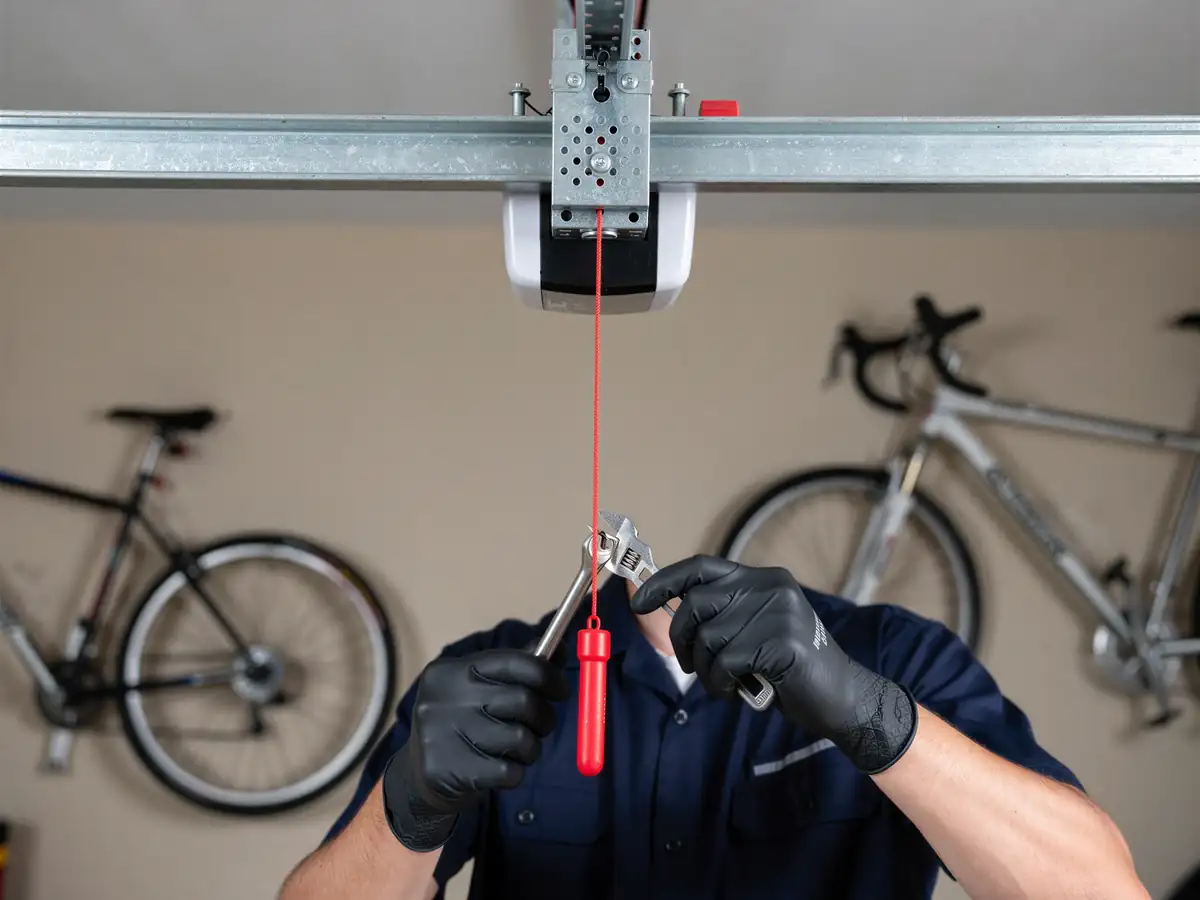
A torsion spring under tension can put someone in the hospital, and on a door this old the spring has had decades to fatigue unevenly - that's not a weekend project with a wrench from the hardware store. Things you can reasonably check yourself: whether the track is bent, whether the rollers are cracked, whether the opener's safety sensors are aligned and clean. If the door won't move at all, or moves and then drops, stop and call - that's a spring or cable problem, and on original 1980s hardware we genuinely don't know what we're dealing with until we're looking at the drum in person.
How it works
From “it’s stuck” to “it’s fixed”
A quick, honest process - no guesswork and no surprises, start to finish.
Straight answers about garage door repair in Centreville. Still unsure? Ask us directly.
Is my garage door hardware original to the house if it's never acted up?
Likely, yes, if the house dates to the mid-1980s like most in this part of Great Falls. Springs, cables, and track don't get replaced unless they fail or someone's doing a full door swap, so an untouched garage from that era is usually running on 35-to-40-year-old parts, even if everything still looks fine from the outside.
Why does the quote depend on the drive from Centreville?
We're about 14 miles out, and that distance is part of planning the call - which parts go on the truck, what window we can realistically hold. It's built into the quote up front rather than tacked on once we've arrived, so there's no surprise line item for travel.
Does the cold weather really affect an old spring that much?
Yes. This area sits in a severe cold-climate band, and steel loses some flexibility in low temperatures. A torsion spring that's already fatigued from decades of cycling is more likely to fail on a cold morning than a mild one - it's one reason winter calls for spring replacement outnumber summer ones.
Can you get parts for a 1980s opener if the board fails?
Sometimes, not always. Some circuit boards from that era are no longer made, and in that case the honest fix is replacing the opener unit rather than chasing a part that doesn't exist anymore. We'll tell you which situation you're in before we bill for the visit.