Emergency garage door repair for Wolf Trap, 11 miles from Centreville. At a $250,001 median income, most 1981-era doors here are worth fixing, not replacing.
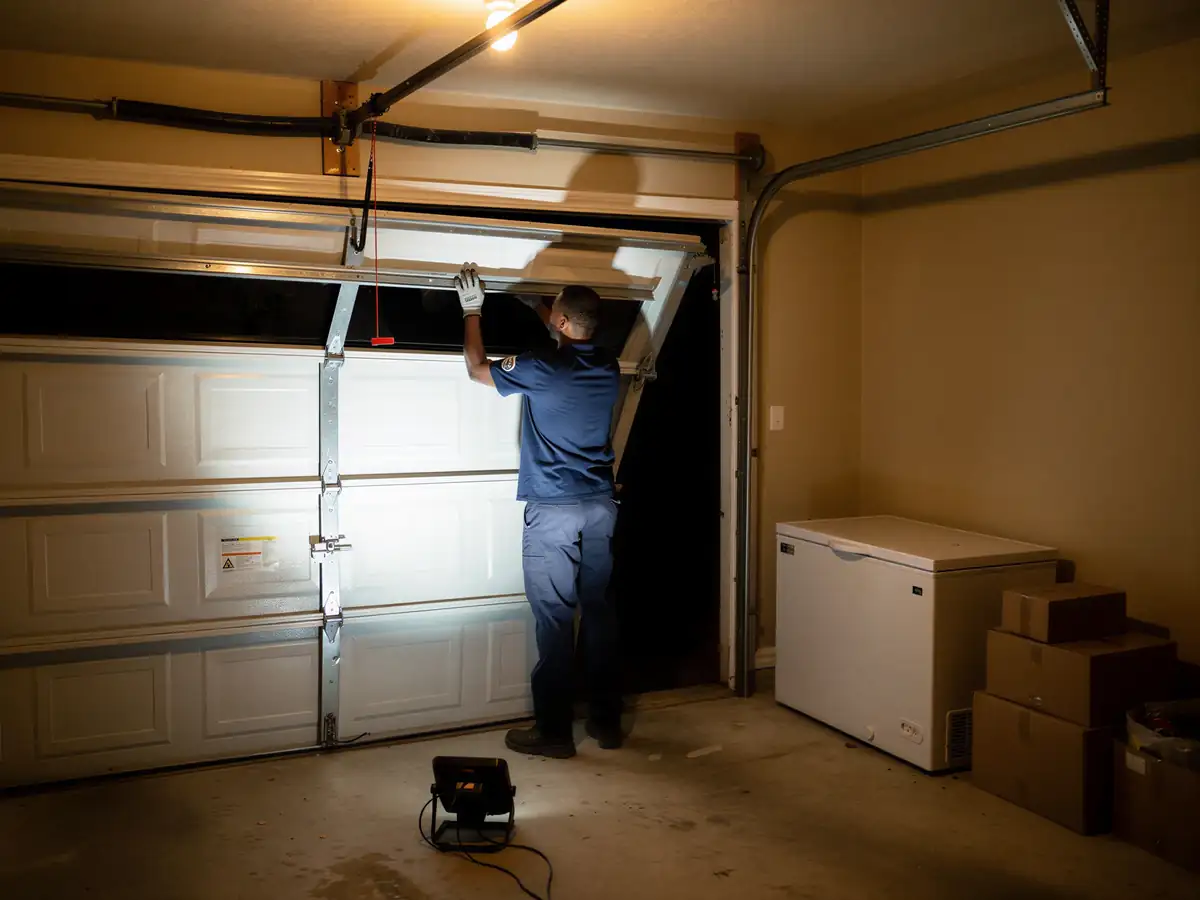
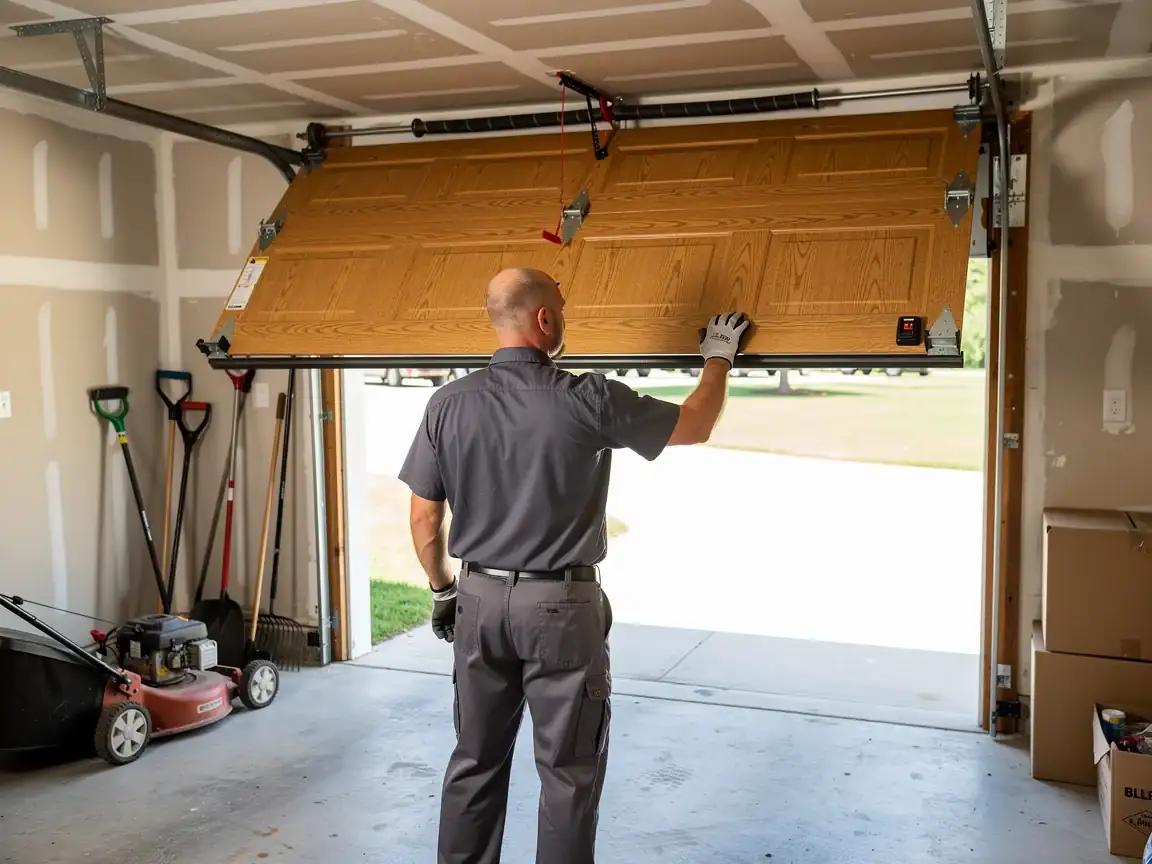
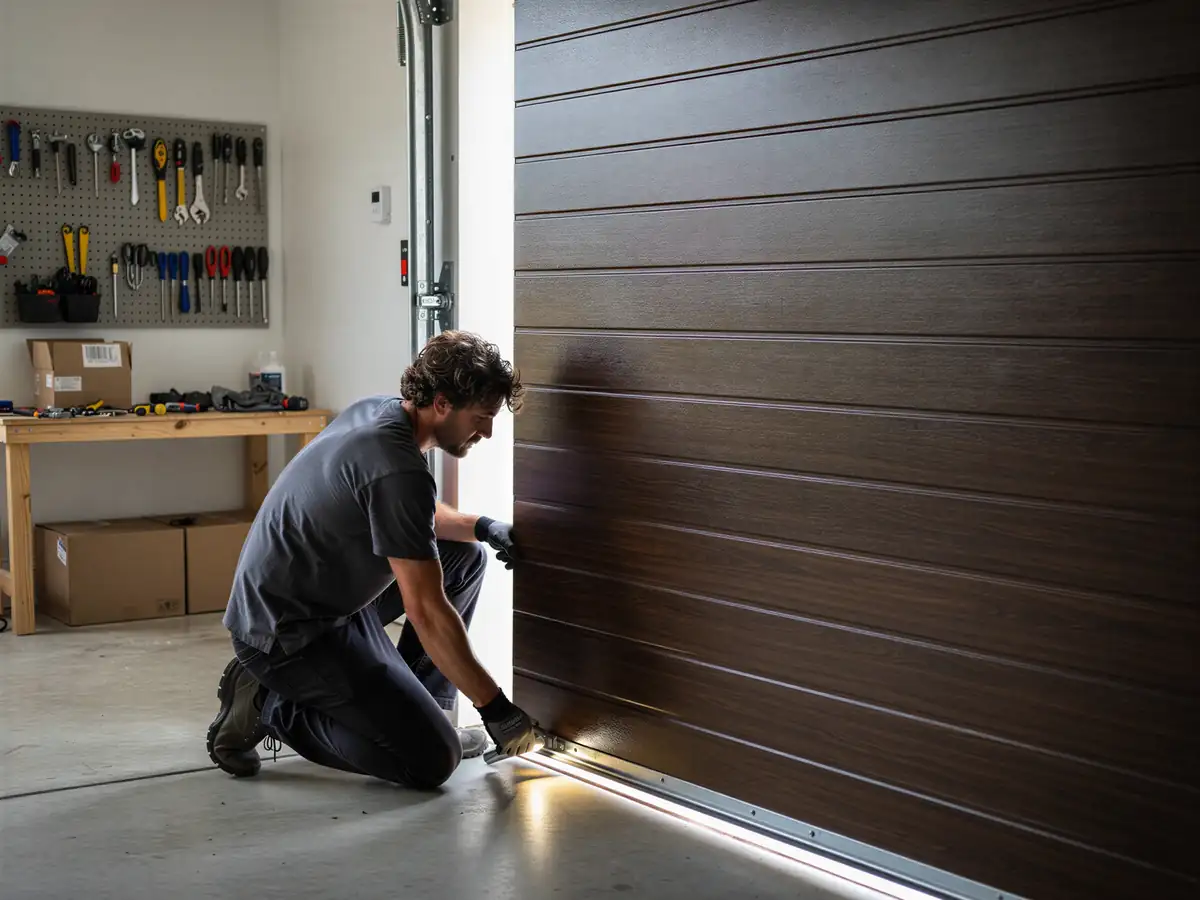
We cover Wolf Trap from our Centreville location, about 11 miles out. That distance is the one honest limitation on this page: we're not sitting in your neighborhood, so when you call with a spring snapped at 9pm, you're waiting on a truck coming from Centreville, not from around the corner. We don't invent a faster promise than that. What we can tell you is that a broken spring or a door stuck half-open on a torsion system isn't a wait-until-Monday problem - the opener will keep trying to force it and that's how you turn a $200 spring job into a $600 one. Call, describe what the door is doing (won't open, won't close, came off track, cable snapped), and we'll tell you honestly whether it's a same-trip fix or something that needs a part ordered first.
What You Pay
Wolf Trap's median household income runs $250,001, well above the $136,173 median across the wider service area we work in. That gap matters for one specific decision: the repair-or-replace call. On a house at this income level, replacing a door isn't a stretch the way it can be elsewhere, so we're more likely to walk you through full replacement options honestly instead of nursing along a door that's fighting you. That said, income doesn't change physics - a torsion spring costs what it costs, a cable costs what it costs, and we quote the job in front of you before we touch the door, not after.
Why It Happens Here
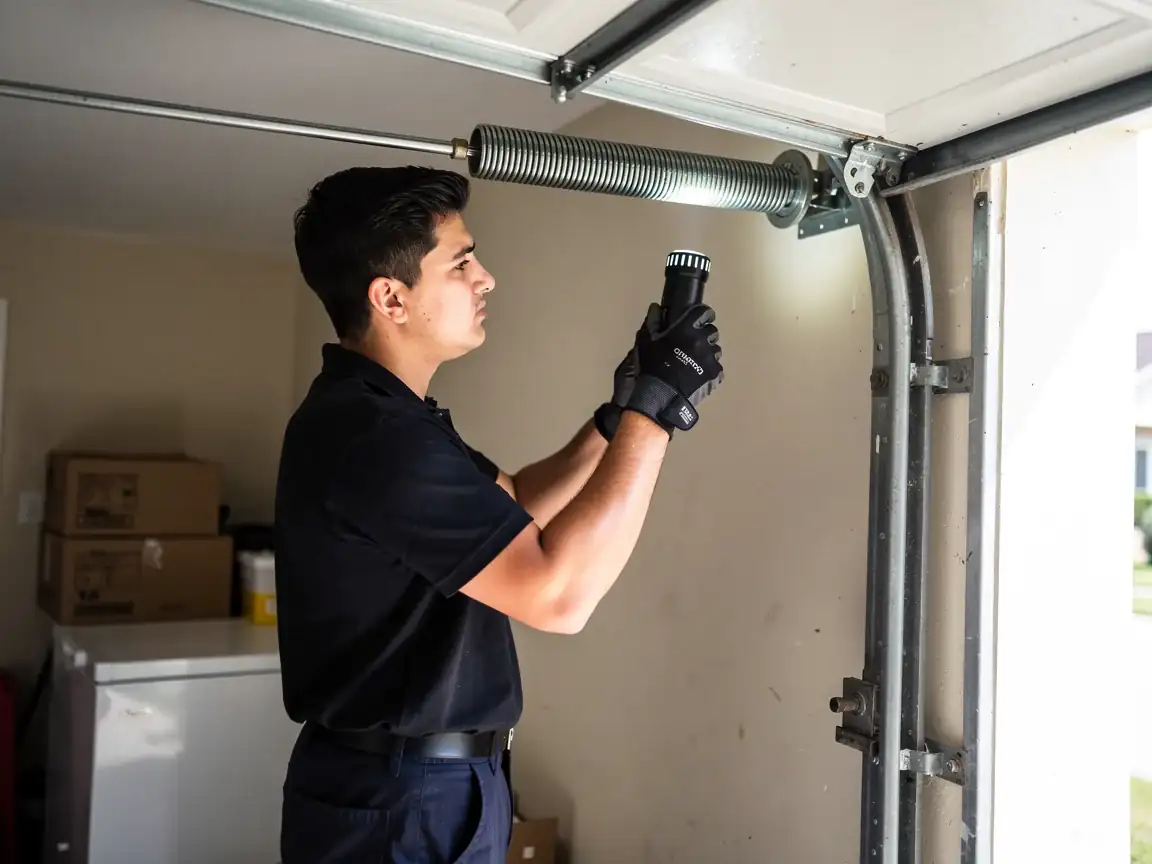
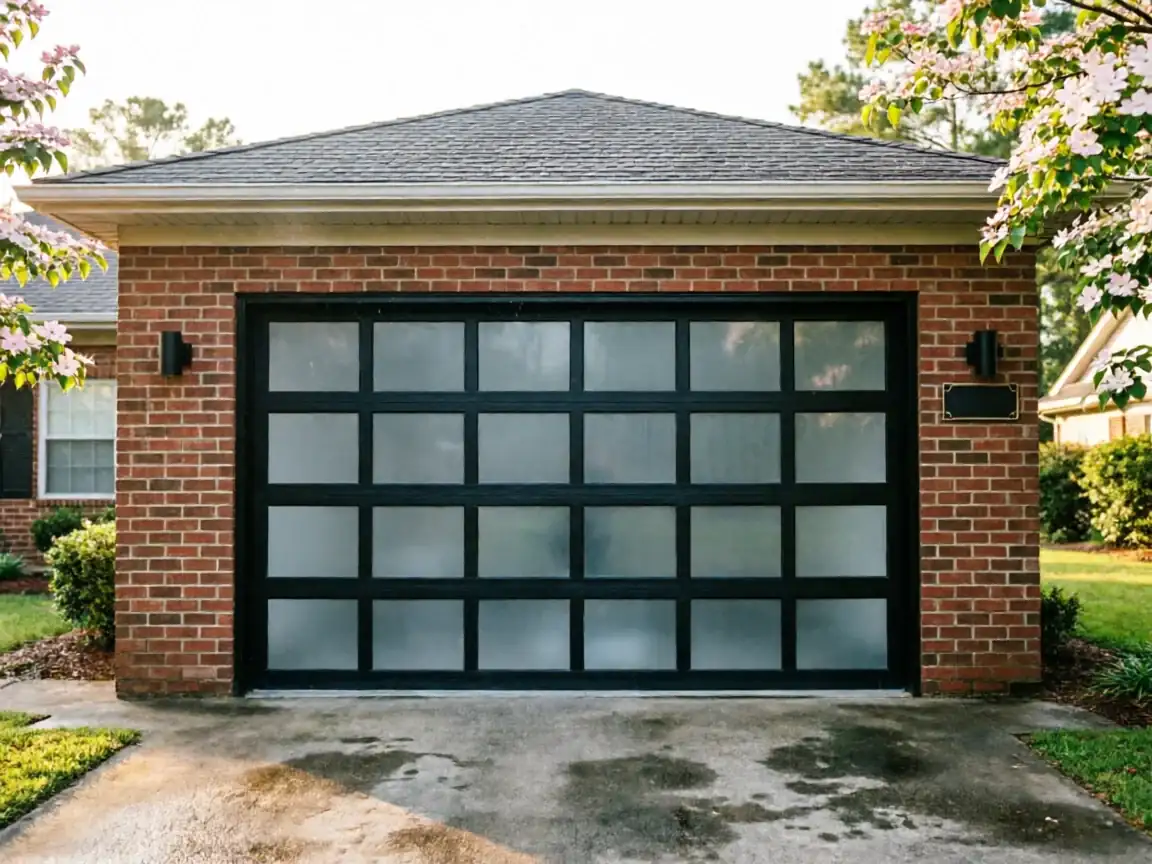
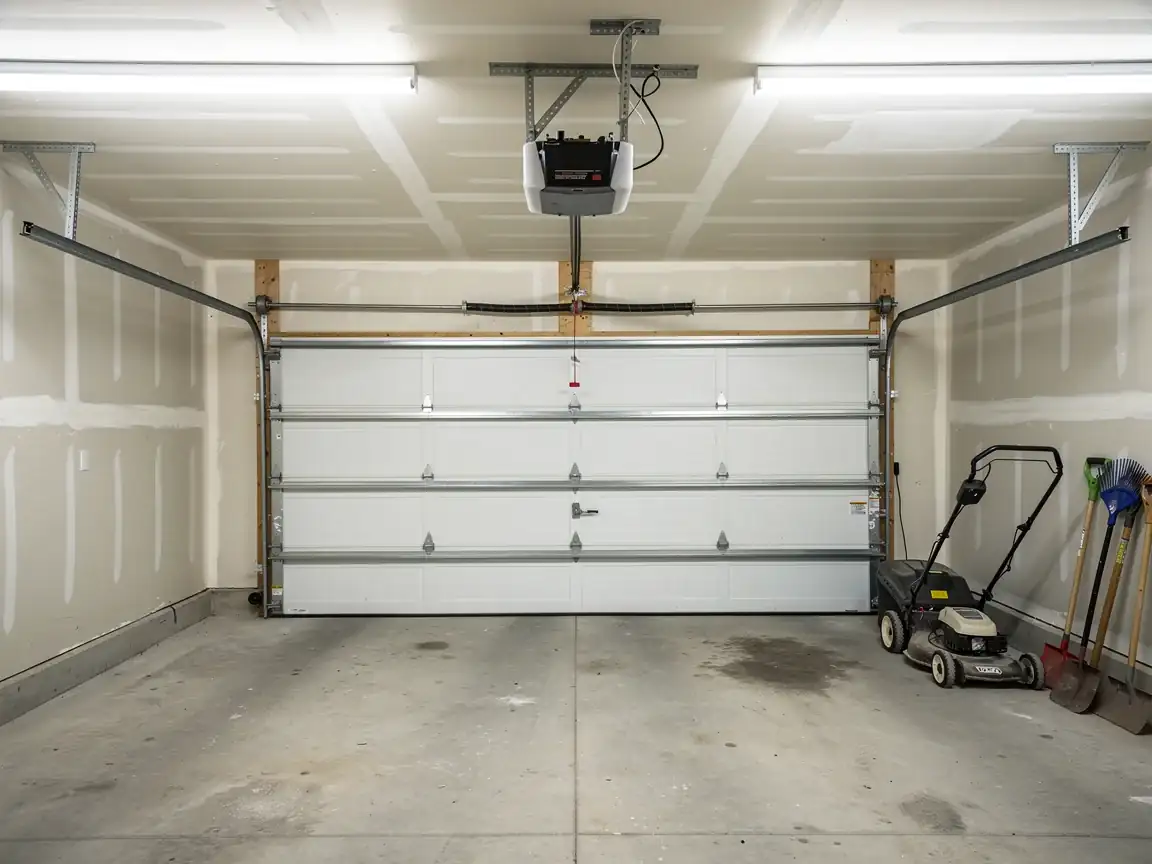
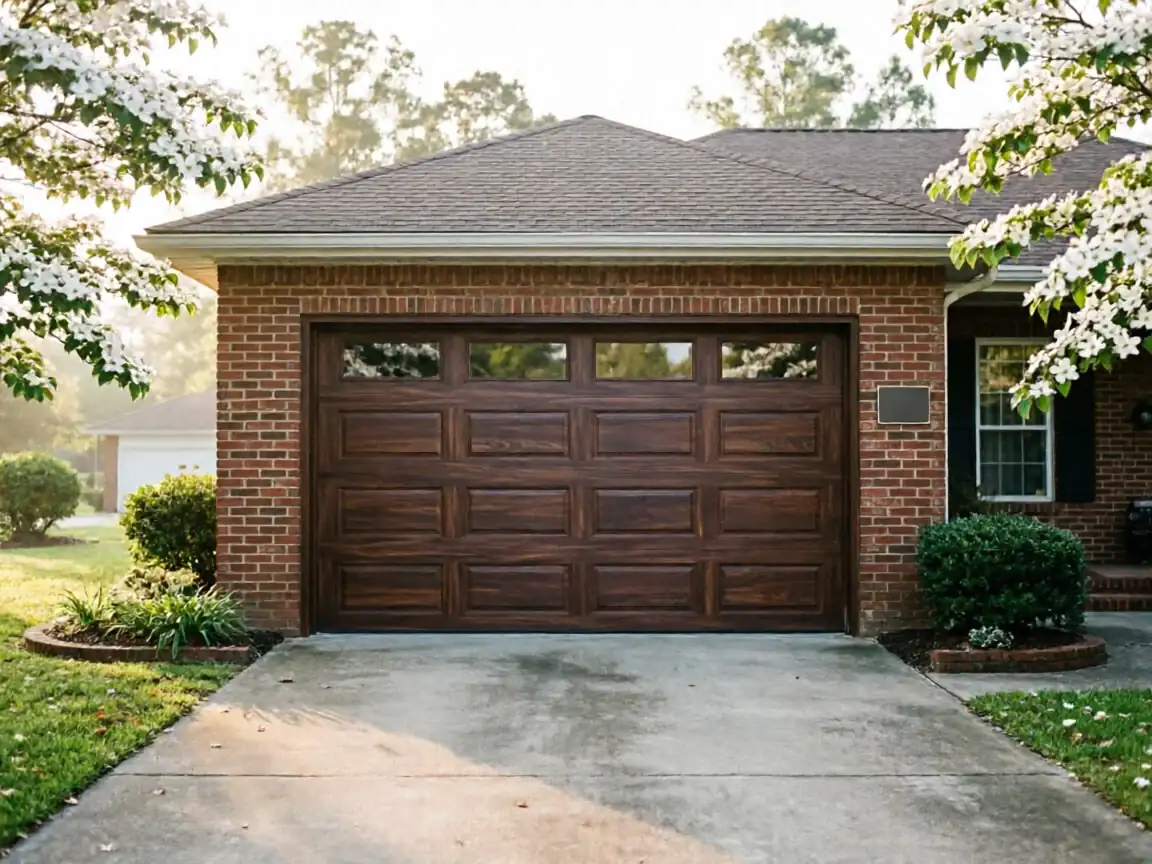
The houses around Wolf Trap mostly date to 1981, same era as the broader 1940-2015 stock this company works in, built mostly in the 1980s-90s push across the area. Doors from that period are usually on torsion springs rated for the original door weight, and after 40-plus years those springs are well past their cycle count. We also sit in a cold-climate zone with real winter severity, and cold metal is stiffer metal - a spring that's been flexing fine all October can snap on the first hard freeze because the steel's lost elasticity it had ten years ago. That combination, 1981-era hardware plus winter stress, is the most common reason we get an emergency call out of a neighborhood like this one rather than a routine maintenance visit.
The DIY Question
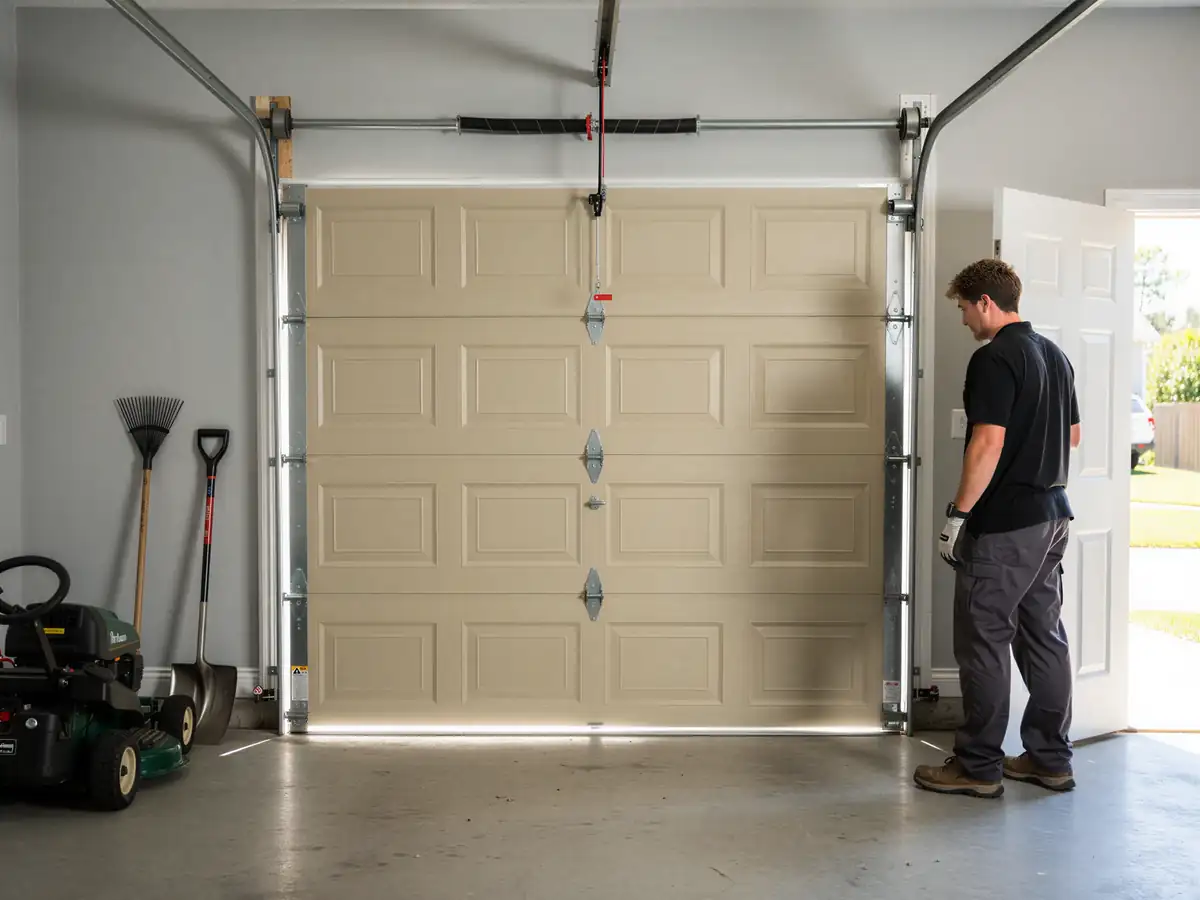
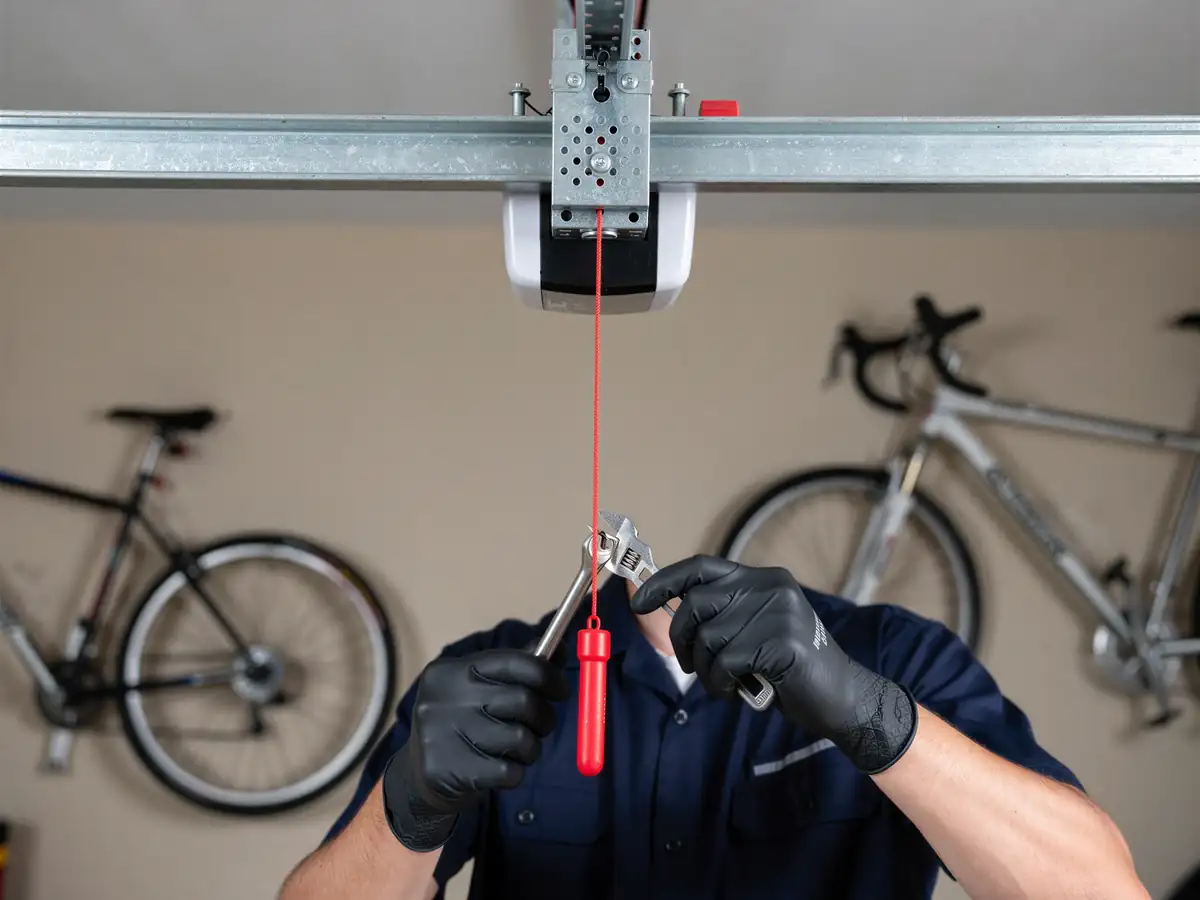
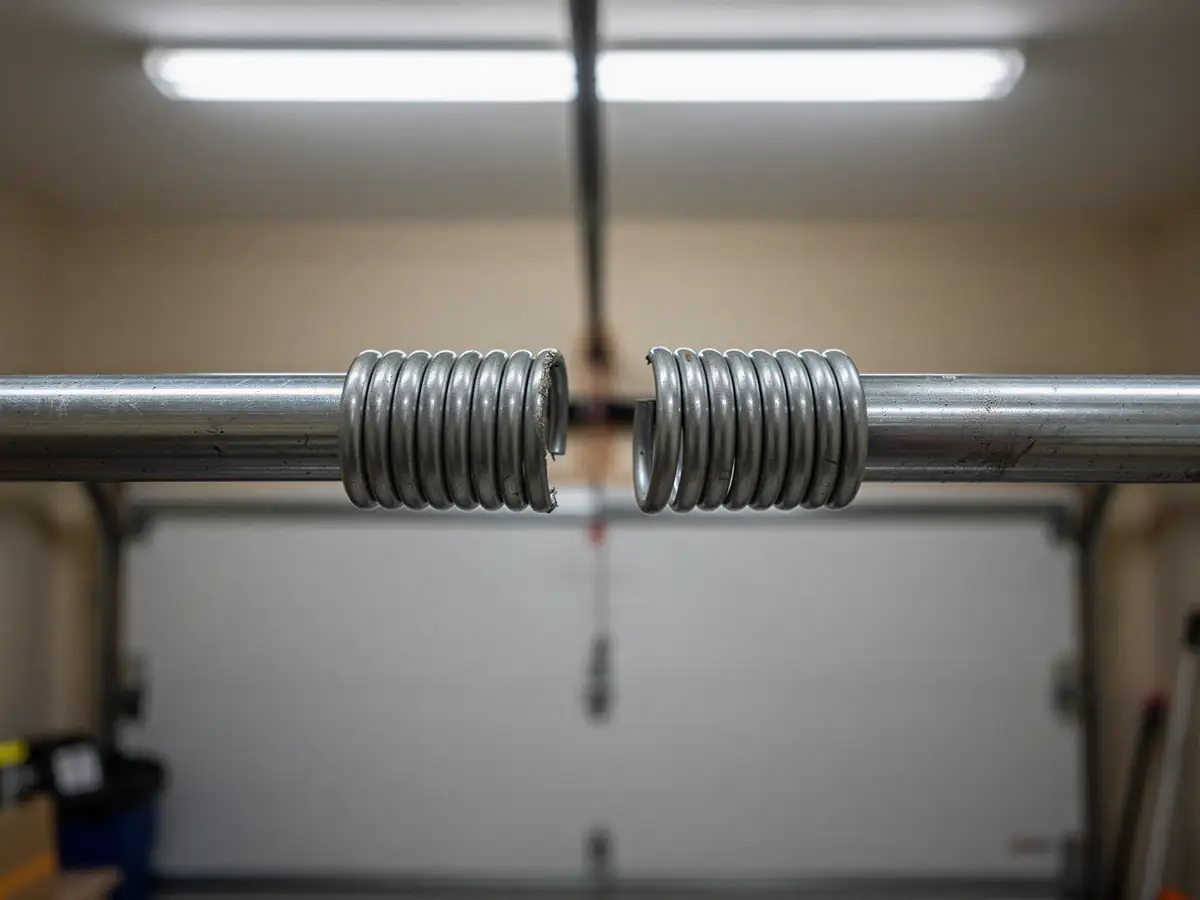
If the door won't open and you're staring at a torsion spring with a visible gap in the coil, don't try to wind or unwind it yourself. That spring is holding the tension of the full door weight and it has put people in the hospital. What you can safely check: whether the opener's travel limits got bumped, whether a cable has come off the drum but the spring itself looks intact, or whether something is physically blocking the track. If the fix is a sensor out of alignment or a loose bracket, that's a reasonable DIY call. If it's the spring, the cable, or the door came off the track entirely, that's a job for a truck, not a Saturday project.
How it works
From “it’s stuck” to “it’s fixed”
A quick, honest process - no guesswork and no surprises, start to finish.
Straight answers about garage door repair in Centreville. Still unsure? Ask us directly.
How far out is Wolf Trap from your shop in Centreville?
About 11 miles. We don't operate a branch in Wolf Trap itself, so every call here is dispatched from Centreville. We won't quote you a response time we can't back up, but we do prioritize a door that's stuck open or a spring that's fully snapped over routine maintenance calls.
Is it worth repairing a door built around 1981, or should I replace it?
Depends what's broken. A snapped spring or a bad cable on an otherwise sound 1981-era door is almost always a repair, not a replacement. Given the median income in Wolf Trap, we see more owners opt to replace once the door itself is warping or the opener is original equipment and failing too - at that point you're paying for repeated repairs on a door you're going to replace anyway.
Why do springs seem to snap more in winter here?
This area sits in a cold climate zone with real winter severity, and steel springs lose some flexibility in hard cold. A spring near the end of its cycle life that's handled fall temperatures fine can go in the first deep freeze. It's not bad luck, it's metal fatigue meeting cold weather at the same time.